- Barna Recycling
- Feb 19, 2026
Smart Ways to Manage Your Bin Charges and Save Money
Across Connacht, from housing estates in Galway City to family homes in Mayo, Roscommon, Sligo and Leitrim, more people are asking the same question: how do I keep my bin charges low, and what can I do about it? With energy, grocery and mortgage costs all rising, household waste is one area people are keen to get under control.
The good news is that you have more influence over your bin bill than you might think.
In Ireland, waste collection operates under a pay-by-weight system. That means the more general waste your household produces, the more you pay. The system was designed to encourage recycling and reduce reliance on residual waste treatment and disposal. While it is effective, it also means that everyday habits directly affect your costs.
Let’s take a closer look at what is driving charges and how to reduce them in a realistic way.
Why Waste Costs What It Does
Waste management in Ireland is shaped by environmental policy, regulation and operational realities. While landfill has historically been one of the most expensive disposal methods available, Barna Recycling does not typically send general waste to landfill. Instead, residual (general) waste is exported for treatment at Waste-to-Energy facilities, where it is used to generate electricity.
According to the Environmental Protection Agency, Ireland continues to work toward reducing landfill and improving recycling performance in line with EU targets. Significant progress has been made, but there is still work to do in reducing residual waste overall.
A key cost factor for households today is the Government Waste Recovery Levy. This levy applies specifically to residual (general) waste and is charged as part of a national strategy to encourage better waste segregation. It does not apply to recycling or food waste. The aim is simple: to boost recycling rates and reduce reliance on incineration by making it more cost-effective to separate waste correctly at home.
This levy forms part of Ireland’s broader move toward a circular economy, where materials are kept in use for as long as possible, and waste is minimised at source.
There are also the practical realities of collection and processing. Waste must be transported, sorted at licensed facilities, monitored for contamination and managed in line with strict environmental compliance standards. Rising fuel and operational costs affect the entire industry.
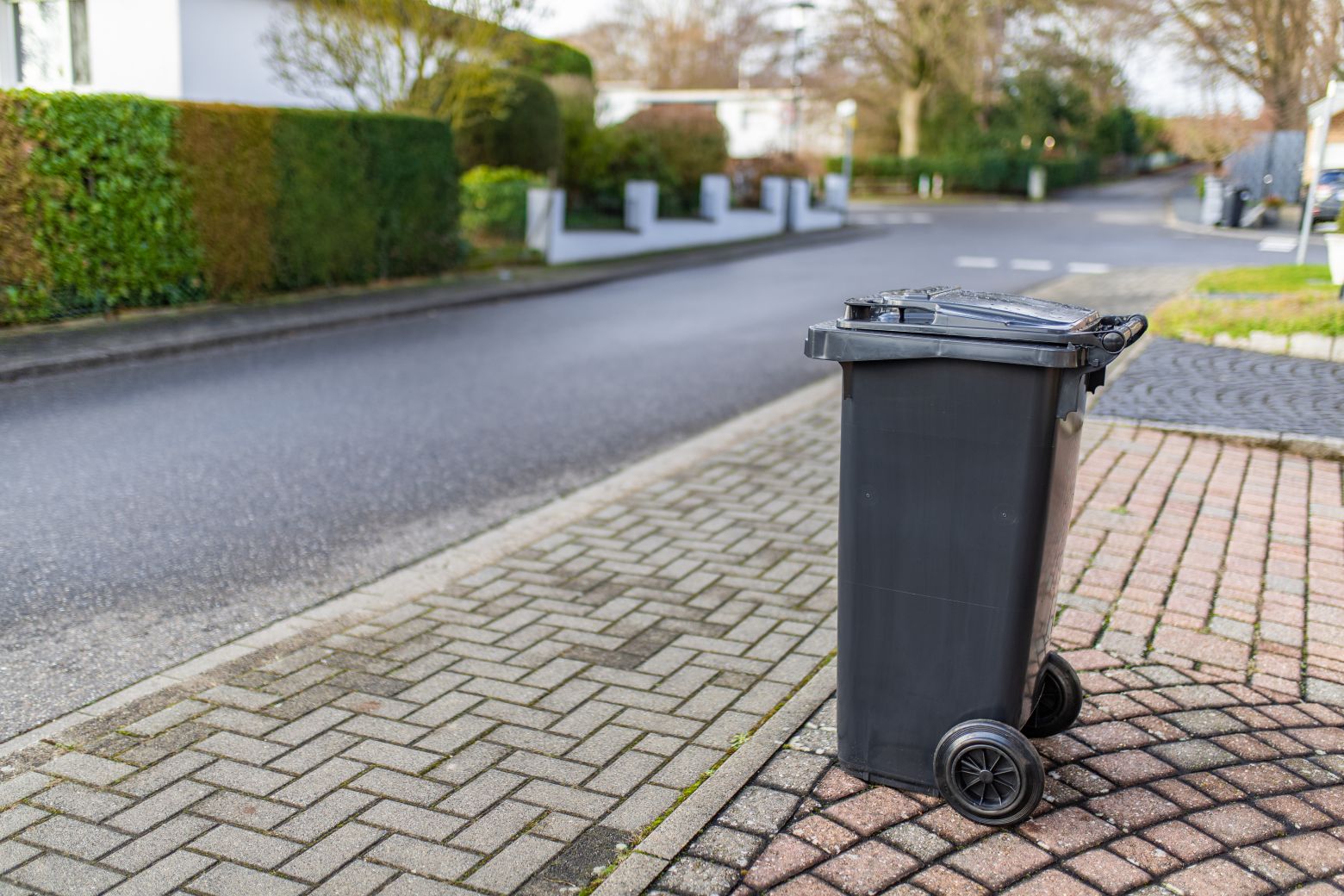
At the household level, however, one thing makes the biggest difference: your black bin.
The Black Bin Is the Cost Driver
Under pay-by-weight, weight equals cost, and food waste is heavy.
When leftovers, peelings and plate scrapings go into your general waste bin, you are paying residual waste treatment costs and the Government Waste Recovery Levy for material that could have been composted. Multiply that by weeks and months, and it adds up.
Recyclables can also quietly inflate your bill. Cardboard boxes from online deliveries, plastic bottles, tins and packaging all increase the weight of your general waste if they are placed in the wrong bin. It is rarely dramatic. It is gradual. Small daily habits compound over time.
The key is not perfection, but consistency.

Small Changes That Lower Your Bill
Reducing your waste charges does not require a zero-waste lifestyle or drastic changes. It is about making practical adjustments that fit into everyday life. Here are the changes that make the biggest difference for households across Ireland:
- Use your brown bin every week. Food waste is often the heaviest part of household rubbish. Moving food scraps, coffee grounds, tea bags and leftovers into your brown bin can significantly reduce the weight of your black bin.
- Keep recyclables out of general waste. Cardboard, plastic bottles, cans and clean packaging belong in your recycling bin. Flatten boxes and rinse containers lightly to avoid contamination.
- Plan meals to reduce food waste. Shopping with a plan, using leftovers creatively, and freezing surplus portions lowers both your grocery bill and your bin weight.
- Avoid unnecessary packaging where possible. Buying loose produce, choosing refill options and cutting back on impulse online purchases can reduce waste at source.
- Review your collection needs. If your household size has changed, your waste volume may have too. Reassessing your service plan ensures you are not paying for lifts you do not need. Alternatively, our household team is happy to assist with any queries you have about your waste management plan. They can also offer advice on how to minimise the use of recycling and food waste services.
None of these steps is complicated. Together, they can noticeably reduce your annual waste costs.
Waste Costs and Ireland’s Climate Targets
Household bin charges are not just about personal budgets. They are part of Ireland’s broader environmental strategy.
The Department of the Environment, Climate and Communications has placed waste reduction and circular economy principles at the centre of national climate policy. Reducing landfill reliance is essential to cutting emissions and improving resource efficiency.
The Government Waste Recovery Levy is specifically designed to support this shift. By applying the levy only to residual (general) waste, it creates a financial incentive for households to recycle more and use their brown bin properly. The less residual waste produced, the less reliance there is on export to Waste-to-Energy plants.
When households reduce their general waste, they are contributing directly to those national goals. Lower landfill volumes mean lower environmental impact.
It is collective action, one bin at a time.
The Real Takeaway
The real cost of bin charges in Ireland is not hidden fees or complicated billing structures. It is habits.
Most households can reduce their waste bill by focusing on better separation, consistent brown bin use and smarter purchasing decisions. You do not need to aim for zero waste. You simply need to reduce the black bin weight.
Over the course of a year, those small shifts add up. Lower weights mean lower charges. Better recycling improves system efficiency. Collectively, it means less waste going to landfill across Connacht.
Ready to Take Control of Your Waste Costs?
If you are reviewing your waste service or considering switching to a more transparent and reliable provider, we are here to help.
Sign up or review your service today: https://cportal.barnarecycling.com/signup/signup.php
Let’s make waste reduction practical, affordable and achievable, one household at a time.