Hazardous Waste

Why You Should Never Bin Batteries or Vapes in Your Household Waste
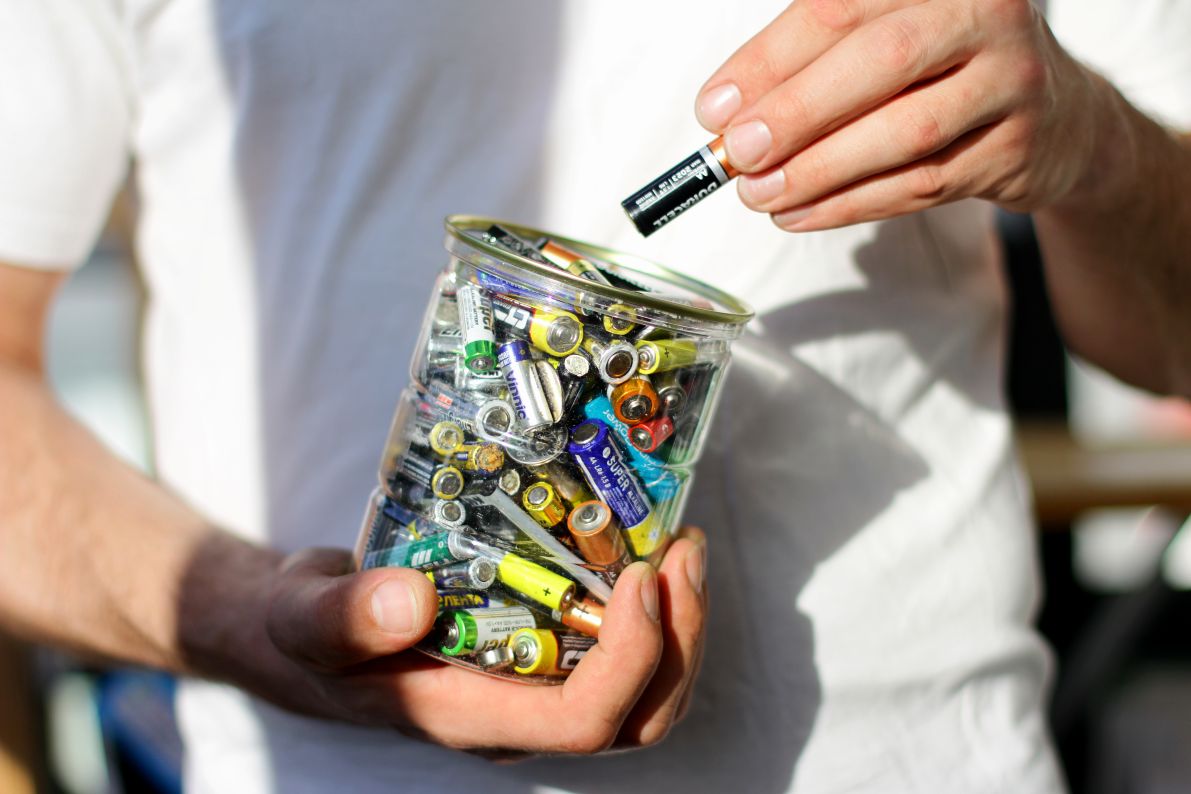
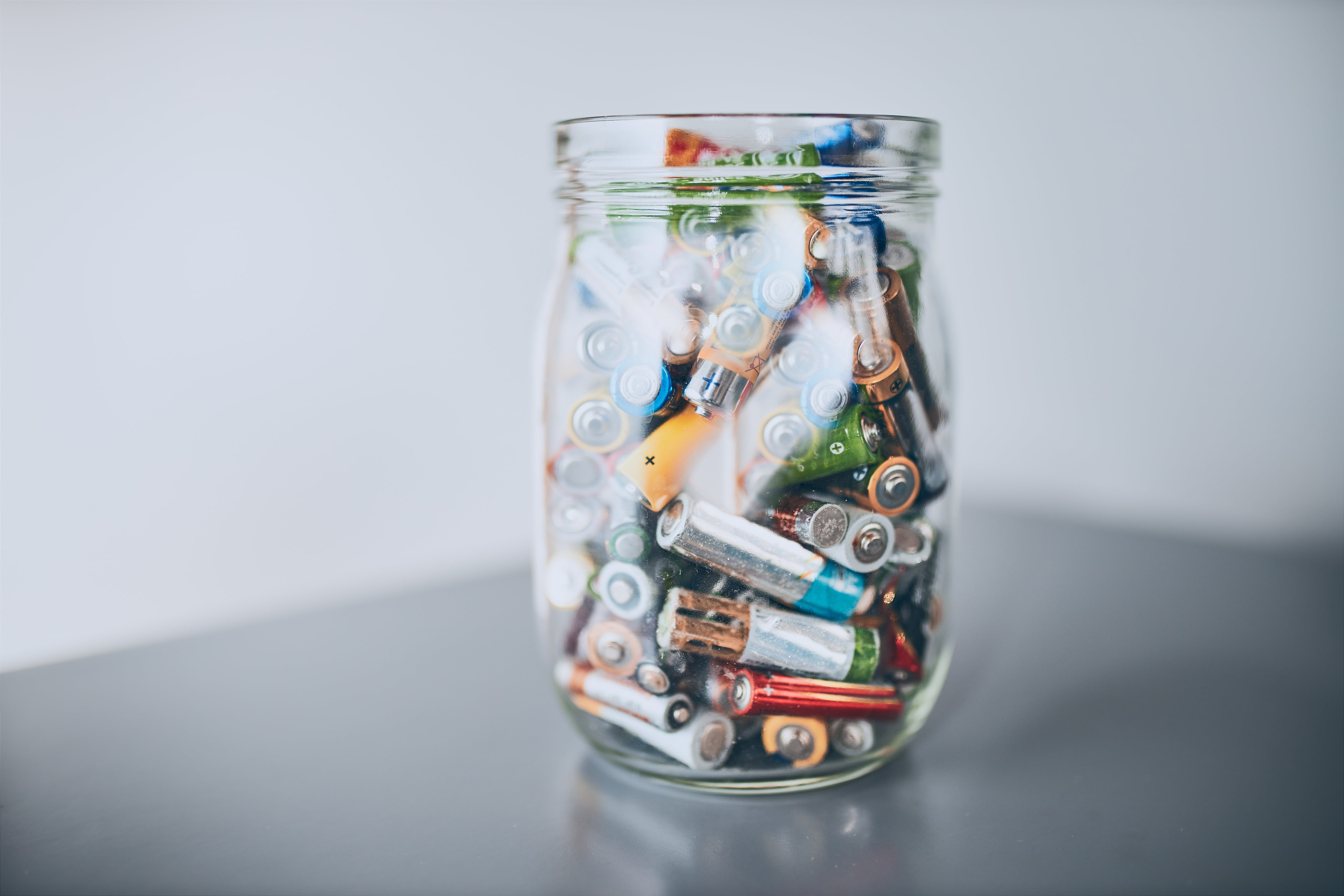
As more Irish households adopt devices powered by batteries or rechargeable components, it is vital to understand the risks of disposing of used batteries and vapes incorrectly. Putting them into your general waste bin might seem harmless, but in fact it carries serious dangers—for safety, for the environment, and for workers in the waste industry.

This post explains those hazards, outlines the correct disposal methods in Ireland, and answers common questions. It is optimised for local SEO and aligned with Barna Recycling’s ethos in Connacht.


A Massive Danger for Householders

Householders should know there’s a real fire risk from discarded batteries and vapes. If these are damaged or crushed in a wheelie bin, a bin truck, or at a sorting facility, lithium cells can short out and flare up, sometimes with little warning.

A small fire can spread quickly, fill the air with toxic smoke, and damage fences, sheds, and vehicles, which can put people and pets at risk. Fires like this can also disrupt collections and mean costly repairs or insurance claims.

The safest approach is to store used batteries and vapes in a cool, dry place away from anything flammable, and take them to a designated drop-off point or an approved battery recycling service. The following section dives deeper into the consequences of the incorrect disposal of batteries and vapes.


Why Batteries and Vapes Don’t Belong in Your Household Bin


Fire and Thermal Runaway in Waste Streams

When batteries (especially lithium‑ion types) are crushed, punctured or damaged during waste collection or processing, they may enter thermal runaway, heating up uncontrollably, igniting nearby materials or even reigniting after being extinguished. In waste handling facilities, battery‑related fires are among the leading causes of serious incidents.

Globally, the rate of catastrophic fire losses in recycling and waste facilities is rising: one study found that the rate has increased by 41 % over the past five years, with many of those incidents traced to misdisposed lithium batteries.

The waste industry estimates that batteries are responsible for about half of the fires in waste and recycling streams.


Environmental and Health Hazards

Batteries and vape devices contain hazardous substances, such as heavy metals, corrosive electrolytes and other toxic chemicals. When landfilled or exposed to leaking conditions, these substances can leach into soil and groundwater, harming ecosystems, contaminating water sources and posing risks to human health.

Vape devices also may contain residual nicotine liquid, which is toxic and can pose spill or contamination risks if the device leaks.


Legal and Regulatory Obligations in Ireland

In Ireland, waste batteries and electronic equipment (WEEE) are regulated under national and EU law. They are classed as hazardous waste, so it is illegal to dispose of them in general household bins.

The European Union (Batteries and Accumulators) Regulations 2014 set out important obligations for battery producers, importers and distributors in Ireland.

In March 2024, new Battery Regulations under EU Regulation 2023/1542 came into effect in Ireland, with staged implementation of stricter rules on collection, labelling, producer responsibility and recycling targets.

Retailers in Ireland that sell electronic goods or batteries must accept waste batteries (of a type they sell) from customers free of charge for recycling.

It is also required that waste batteries never be placed in waste or recycling bins.
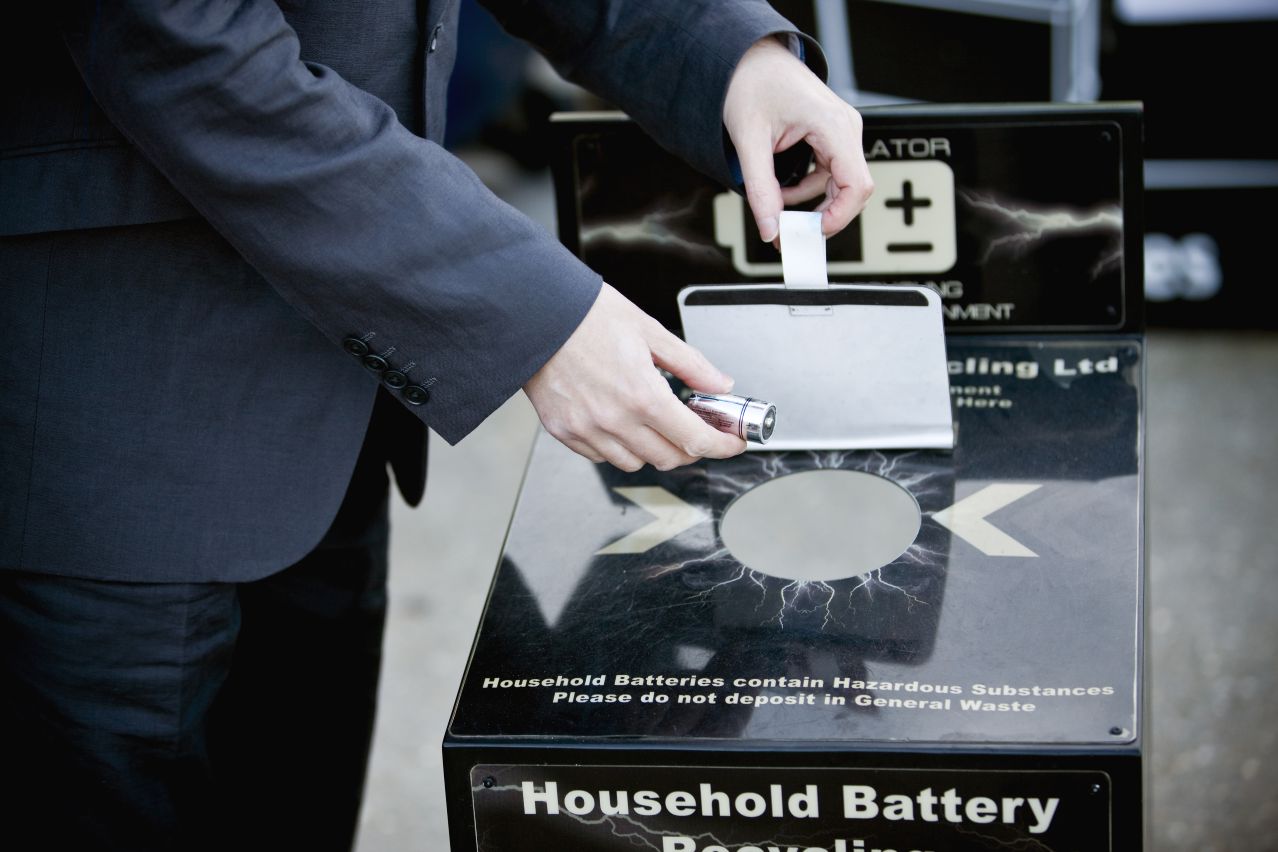
 

So, What Should You Do With Your Used Batteries and Vapes?

Disposing of batteries and vapes properly is easier than you might think. Here’s how:

  1. Don’t put them in the general waste bin.
  2. Use battery collection points. You’ll find free “Blue Battery Boxes” in local shops, supermarkets, electrical retailers, and your nearest civic amenity site.
  3. Separate removable batteries from vapes. If the battery can be taken out, drop it into a battery box. If not, recycle the entire device via a WEEE drop-off point.
  4. Cover battery terminals with tape. This prevents sparks or contact with other metals in transport.
  5. Use local recycling centres. Visit weeeireland.ie or mywaste.ie to find your nearest drop-off location.
  6. Take advantage of take-back schemes. If you’re buying a new vape or electronic item, ask the retailer to take your old one – they’re legally obliged to do so, even if you didn’t buy the original item there.

All of this is completely free of charge for consumers.

Where to Recycle Batteries and Vapes in Connacht

Here are some simple ways to safely dispose of your items:

  • Battery recycling bins are widely available in Connacht supermarkets and newsagents.
  • Barna Recycling’s civic amenity sites accept batteries and electronic waste. Visit our Household Recycling page for opening hours.
  • Your local vape shop must accept your old device when you purchase a new one.
  • Your nearest WEEE collection point – check weeeireland.ie for details.
 

FAQ (Frequently Asked Questions)

Can I put used batteries in the household recycling bin?
No, you should not. Batteries are classified as hazardous waste and must not go into household waste or recycling bins.

What do I do with a disposable vape I cannot open?
If the battery is not removable, recycle the entire device via a WEEE drop‑off point, making sure any remaining liquid is disposed of safely and the unit is not binned.

Will I be charged to recycle batteries or vapes in Ireland?
No. Recycling of batteries and WEEE in Ireland is free to consumers.

Which types of batteries are acceptable for recycling?
Portable batteries (AA, AAA, coin cells etc.), batteries from small appliances, rechargeable batteries, and electronic devices all fall under acceptable categories for battery/WEEE collection.

Why is it so dangerous to bin vapes or batteries?
Mechanical damage in bin lorries or waste facilities can trigger thermal events, leading to fires, reopening of smouldering cells, or ignition of waste materials. These fires are difficult to extinguish and pose danger to workers and infrastructure.


Do the Right Thing (and Recycle)

Disposing of vapes and batteries properly might seem like a small action, but it makes a massive difference, preventing fires, protecting waste workers, and keeping harmful substances out of our environment.

Don’t take the risk. Binning them could cost far more than a trip to your local drop-off point.

Make the responsible choice today. Recycle your batteries and vapes properly, and if you’re not yet signed up with Barna Recycling, you can do so easily right here.
2025 Hacks: Mastering Household Waste Disposal

household waste disposal tips

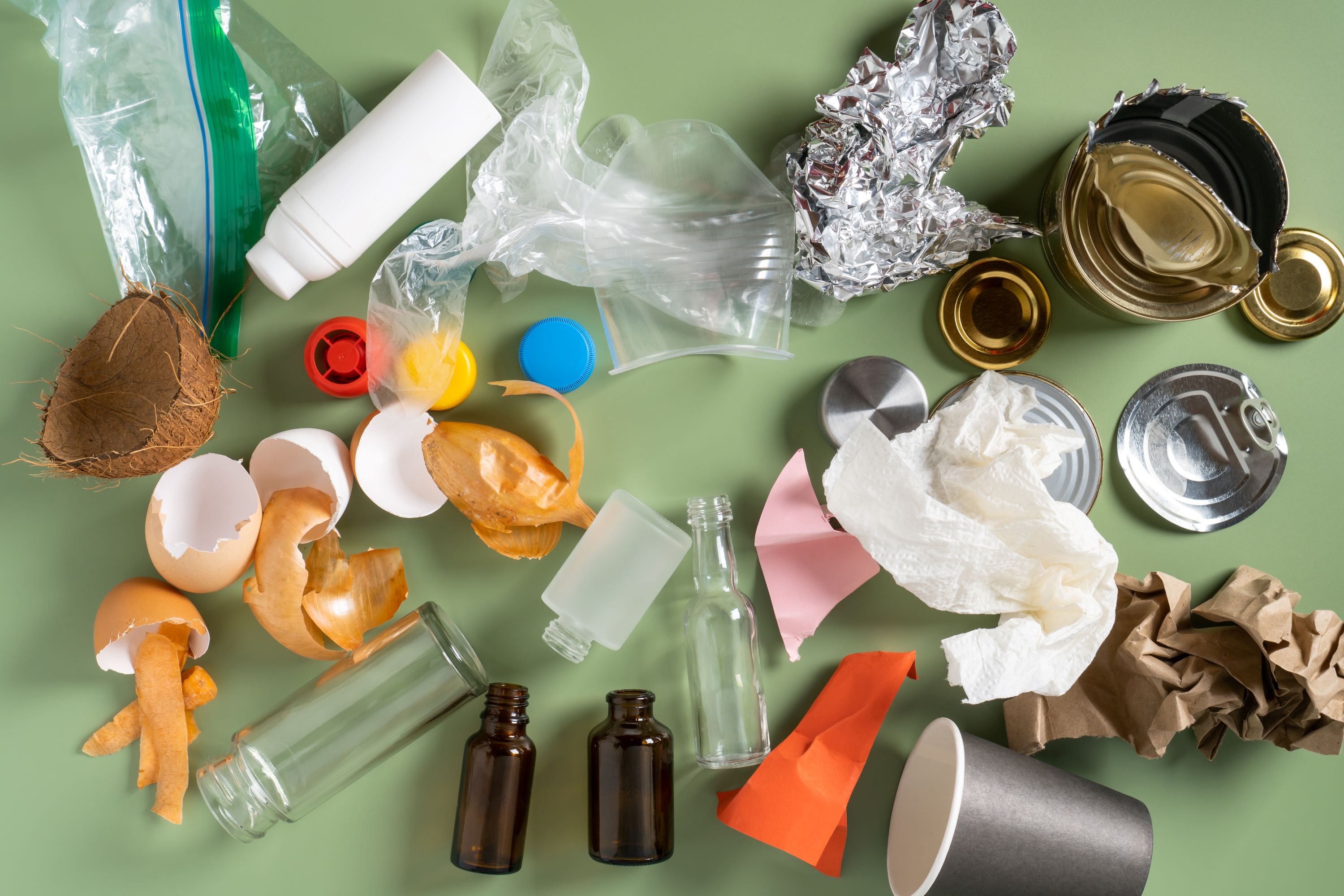
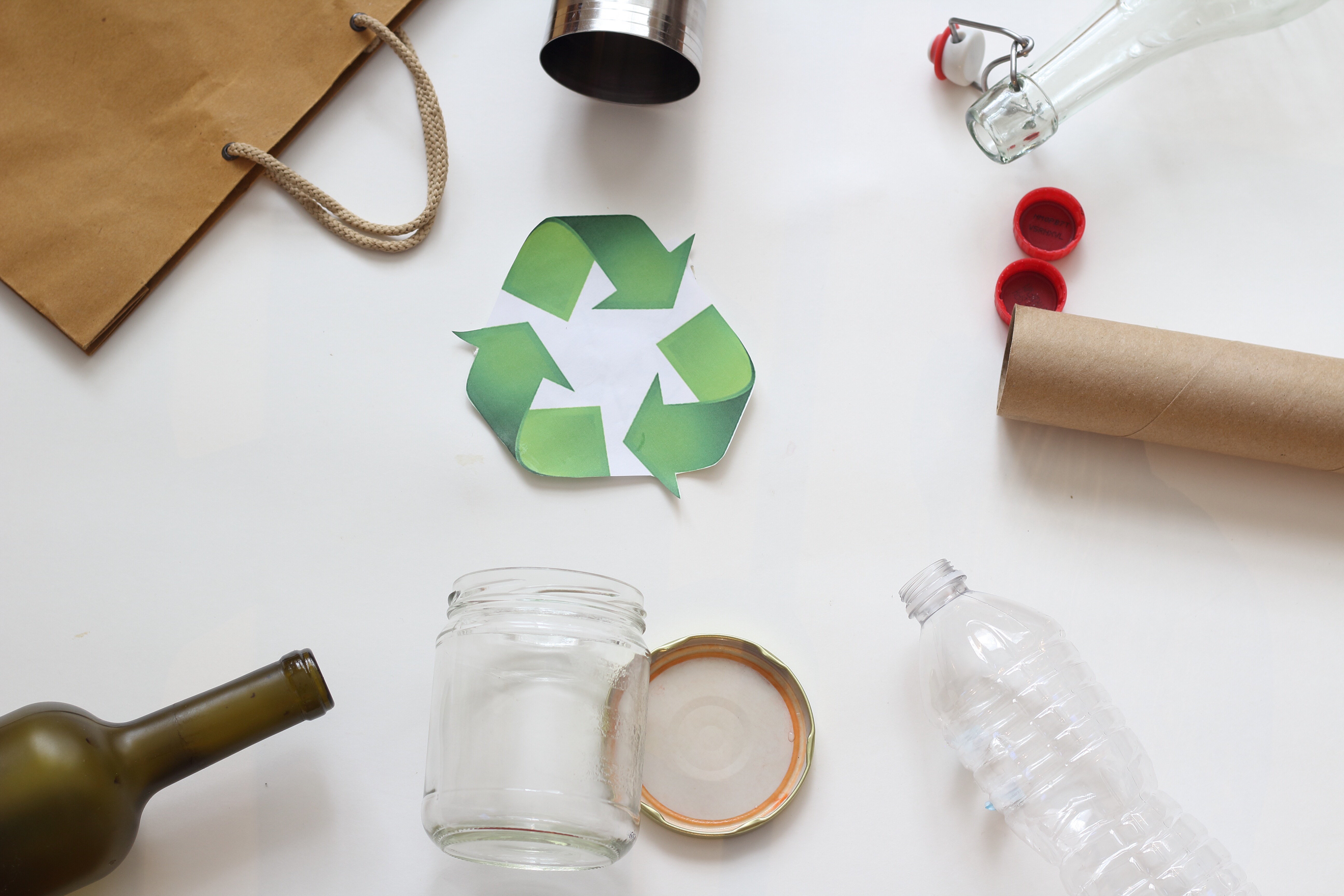
As we enter 2025, mastering household waste disposal is not just a responsible choice but a necessity for a sustainable future. Understanding the different types of waste streams is the first step towards successful household waste management. Waste classification into organic, recyclable, and non-recyclable components sets the foundation for effective disposal techniques. 


What is considered household waste?

The waste produced in households and similar waste produced by businesses is also called municipal waste or Municipal Solid Waste (MSW). Household waste is a diverse category encompassing general, recyclable, and organic waste collected directly at kerbside and back doors or brought to waste collection centres like banks, civic amenity sites, and pay-to-use compactors.

According to Ireland’s Environmental Protection Agency (EPA) last report, in 2021, out of a substantial 1.84 million tonnes of household waste that were generated in the state, 1.81 million tonnes was managed. However, an estimated 25,700 tonnes remained unmanaged, emphasising the need for continued investments in waste management solutions to address this issue.

Although MSW accounts for just around 10% of total waste generated across the EU, it is difficult to manage since it comprises several streams, including general waste, mixed dry recycling, and organic waste, as well as a high number of producers.


Disposing of daily household waste

Every household is entitled to a general and a recycling bin from a waste collector. If a customer lives in an area of 500 people or more, they are entitled to general, recycling and organic waste bins. Waste collection providers usually have a colour-coded system for separating household waste. For example, we have black, blue, and brown bins at Barna Recycling.

Even though bins are colour-coded, and customers are provided with information regarding household waste disposal management, contamination of bins is still a big issue, with recent Environmental Protection Agency (EPA) figures indicating that 20% of the material in household recycling bins should not be there, and significant 70% of the material in general waste bins from the commercial sector should be in recycling or organic bins.

This translates into a substantial loss of resource value—a costly oversight for households and businesses. However, proper waste segregation can be the solution to lower waste charges and safeguard investments in local treatment capabilities. 

TIP: Ensure you maximise the space in your bins by breaking down waste before you put it in. This is especially important for the recycling bin. Cardboard boxes and packaging can quickly take up a lot of space, so be sure to break down bulkier items. Remember that overflowing bins or items left out beside your bins may not be taken away. 

**If your bin is overflowing well in advance of your collection day, call the Barna Customer Care Team on 091 771619 to discuss your options.  


How to reduce household waste

household waste disposal and recycling

The journey to waste reduction begins with intentionality. Mindful consumption requires deliberate choices—purchasing only what is needed, prioritising quality over quantity, and avoiding items with excessive packaging. A discerning approach to shopping can curtail waste before it even enters the home.

By addressing waste at its source and adopting sustainable practices, households can become bastions of environmental stewardship. This collective effort safeguards our immediate surroundings and the planet at large, creating a legacy of sustainability for generations to come. Here are a few simple tips to help you get started with waste reduction:

  • Use reusable shopping bags
  • Make a weekly meal plan and shopping list
  • Avoid produce that’s wrapped in plastic
  • Support your local farmer
  • Start composting at home
  • Avoid single-use plastic
  • Replace your soap bottles with bars
  • Buy second hand
  • Switch to digital documents


How to dispose of household hazardous waste?

disposing off hazardous waste

Embarking on the journey of proper household waste disposal begins with a critical first step – the identification of hazardous waste lurking within the confines of your home. Everyday items take on a hazardous identity, the most common being pesticides, batteries, fluorescent light bulbs, paints, solvents, and various cleaning agents. 

The key is not just recognition but the meticulous segregation of these potentially harmful materials. You can either find a local drop-off location like our Civic Amenity Centres – see items accepted – or, depending on the case, bring the item back to the place where it was purchased. You can also check EPA’s guide to hazardous waste prevention.

Some hazardous items include:

  • Waste Paint/ Paint Thinners/ Strippers
  • White Spirit Creosotes
  • Adhesives/Glues
  • Aerosols Waste
  • Antifreeze/Coolants
  • Bleaches
  • Chemicals with Identification Labels
  • Cleaning Agents
  • Detergents
  • Engine Oils
  • Epoxy Resins
  • Herbicides/ Pesticides
  • Medicines
  • Pharmacy Waste
  • Silicones

TIP: Since batteries cannot be disposed of at home, you must bring them back to the place where they were purchased or to a Civic Amenity Site. Electrical items such as chargers also need to be disposed of correctly. They need to be returned to where they were purchased or should be brought to a WEEE drop-off recycling point or your local Civic Amenity Site to be disposed of. Learn more about how to dispose of WEEE the right way


Household waste recycling centres

A recycling centre, also known as civic amenity site, is an EPA-licensed drive-in facility fully equipped and designed to recycle a wide range of household products. These facilities take bagged household waste, food waste, and bulky items, such as furniture, for disposal.

Not all types of hazardous waste are accepted in these centres, so for details on the types of waste material accepted and any charges that may apply you should check with the waste collection provider.

You can learn more about Barna Recycling’s Recycling Centres here. 


Ready to master household waste disposal and lower your costs with waste management in 2025?

Mastering household waste disposal in 2025 goes beyond individual actions—it’s about embracing a holistic approach that entails conscious consumer choices, including a waste collection provider that helps you navigate the challenges of waste management for a more sustainable future.

Barna Recycling is Connacht’s leading provider of waste management services, providing a professional, reliable and environmentally friendly service. Join Ireland’s number one environmentally friendly waste collection provider and enjoy the peace of mind that we will recycle what you throw away. 


References:

Household Waste Statistics for Ireland, Environmental Protection Agency. https://www.epa.ie/our-services/monitoring–assessment/waste/national-waste-statistics/household/#:~:text=Household%20waste%20includes%20general%20waste,pay%2Dto%2Duse%20compactors.

A Waste Action Plan for a Circular Economy – Ireland’s National Waste Policy 2020-2025, Government of Ireland. https://www.gov.ie/pdf/?file=https://assets.gov.ie/86647/dcf554a4-0fb7-4d9c-9714-0b1fbe7dbc1a.pdf#page=null

Household Hazardous Waste Guide

Hazardous waste is waste that is corrosive, ignitable, toxic and reactive to the environment. Many households may not be aware of the hazardous waste they generate and the many forms it takes. Below is a handy guide of what household items are hazardous waste & how they can be disposed of in the most environmentally sound manner.

Read more

How to Help Reduce Illegal Dumping

Illegal dumping continues to be a big issue in Ireland and according to the Irish Times, Minister for the Environment Denis Naughten said that illegal dumping “remains a problem effecting too many communities in Ireland”. The three R’s, ‘Reduce, Re-use, Recycle’ is an obvious solution to decrease the level of illegal dumping in our country.

Read more

Dealing with Hazardous Waste in your Home


Hazardous Waste Material


Some of the household products we use on a daily basis can be potentially hazardous to ourselves, our family and our pets. Items like household cleaners, batteries, light bulbs and paint all contain hazardous substances that need to be stored and disposed of in the correct manner. Read more