Blog

Smart Ways to Manage Your Bin Charges and Save Money
black-bin-charges

Across Connacht, from housing estates in Galway City to family homes in Mayo, Roscommon, Sligo and Leitrim, more people are asking the same question: how do I keep my bin charges low, and what can I do about it? With energy, grocery and mortgage costs all rising, household waste is one area people are keen to get under control.

The good news is that you have more influence over your bin bill than you might think.

In Ireland, waste collection operates under a pay-by-weight system. That means the more general waste your household produces, the more you pay. The system was designed to encourage recycling and reduce reliance on residual waste treatment and disposal. While it is effective, it also means that everyday habits directly affect your costs.

Let’s take a closer look at what is driving charges and how to reduce them in a realistic way.


Why Waste Costs What It Does

Waste management in Ireland is shaped by environmental policy, regulation and operational realities. While landfill has historically been one of the most expensive disposal methods available, Barna Recycling does not typically send general waste to landfill. Instead, residual (general) waste is exported for treatment at Waste-to-Energy facilities, where it is used to generate electricity.

According to the Environmental Protection Agency, Ireland continues to work toward reducing landfill and improving recycling performance in line with EU targets. Significant progress has been made, but there is still work to do in reducing residual waste overall.

A key cost factor for households today is the Government Waste Recovery Levy. This levy applies specifically to residual (general) waste and is charged as part of a national strategy to encourage better waste segregation. It does not apply to recycling or food waste. The aim is simple: to boost recycling rates and reduce reliance on incineration by making it more cost-effective to separate waste correctly at home.

This levy forms part of Ireland’s broader move toward a circular economy, where materials are kept in use for as long as possible, and waste is minimised at source.

There are also the practical realities of collection and processing. Waste must be transported, sorted at licensed facilities, monitored for contamination and managed in line with strict environmental compliance standards. Rising fuel and operational costs affect the entire industry.

At the household level, however, one thing makes the biggest difference: your black bin.


The Black Bin Is the Cost Driver

Under pay-by-weight, weight equals cost, and food waste is heavy.

When leftovers, peelings and plate scrapings go into your general waste bin, you are paying residual waste treatment costs and the Government Waste Recovery Levy for material that could have been composted. Multiply that by weeks and months, and it adds up.

Recyclables can also quietly inflate your bill. Cardboard boxes from online deliveries, plastic bottles, tins and packaging all increase the weight of your general waste if they are placed in the wrong bin. It is rarely dramatic. It is gradual. Small daily habits compound over time.

The key is not perfection, but consistency.
 

brown-bin-charges

Small Changes That Lower Your Bill

Reducing your waste charges does not require a zero-waste lifestyle or drastic changes. It is about making practical adjustments that fit into everyday life. Here are the changes that make the biggest difference for households across Ireland:

  • Use your brown bin every week. Food waste is often the heaviest part of household rubbish. Moving food scraps, coffee grounds, tea bags and leftovers into your brown bin can significantly reduce the weight of your black bin.
  • Keep recyclables out of general waste. Cardboard, plastic bottles, cans and clean packaging belong in your recycling bin. Flatten boxes and rinse containers lightly to avoid contamination.
  • Plan meals to reduce food waste. Shopping with a plan, using leftovers creatively, and freezing surplus portions lowers both your grocery bill and your bin weight.
  • Avoid unnecessary packaging where possible. Buying loose produce, choosing refill options and cutting back on impulse online purchases can reduce waste at source.
  • Review your collection needs. If your household size has changed, your waste volume may have too. Reassessing your service plan ensures you are not paying for lifts you do not need. Alternatively, our household team is happy to assist with any queries you have about your waste management plan. They can also offer advice on how to minimise the use of recycling and food waste services.

None of these steps is complicated. Together, they can noticeably reduce your annual waste costs.


Waste Costs and Ireland’s Climate Targets

Household bin charges are not just about personal budgets. They are part of Ireland’s broader environmental strategy.

The Department of the Environment, Climate and Communications has placed waste reduction and circular economy principles at the centre of national climate policy. Reducing landfill reliance is essential to cutting emissions and improving resource efficiency.

The Government Waste Recovery Levy is specifically designed to support this shift. By applying the levy only to residual (general) waste, it creates a financial incentive for households to recycle more and use their brown bin properly. The less residual waste produced, the less reliance there is on export to Waste-to-Energy plants.

When households reduce their general waste, they are contributing directly to those national goals. Lower landfill volumes mean lower environmental impact.

It is collective action, one bin at a time.


The Real Takeaway

The real cost of bin charges in Ireland is not hidden fees or complicated billing structures. It is habits.

Most households can reduce their waste bill by focusing on better separation, consistent brown bin use and smarter purchasing decisions. You do not need to aim for zero waste. You simply need to reduce the black bin weight.

Over the course of a year, those small shifts add up. Lower weights mean lower charges. Better recycling improves system efficiency. Collectively, it means less waste going to landfill across Connacht.


Ready to Take Control of Your Waste Costs?

If you are reviewing your waste service or considering switching to a more transparent and reliable provider, we are here to help.

Sign up or review your service today: https://cportal.barnarecycling.com/signup/signup.php

Let’s make waste reduction practical, affordable and achievable, one household at a time.
The Complete Guide to Smart Bulk Waste Management (2026 Edition)

Large, bulky waste items — from old mattresses to worn‑out wardrobes — often leave Irish homes feeling cluttered and confused about what to do with them. These pieces are too big for your household bins and, if not properly managed, can end up in landfill unnecessarily. 

Whether you’re spring‑cleaning, renovating, moving home, or simply doing a clear‑out, this updated guide will walk you through smart, sustainable, and cost‑effective ways to handle bulky waste. We’ll cover what counts as bulky waste, how to make the most of reuse and recycling options, and practical steps to make your next disposal trip easier.


What Counts as Bulky Waste? (And Why It Matters)

Bulky waste refers to large items that can’t fit into your regular household bin — things like:

  • Sofas, chairs & tables
  • Mattresses & bed frames
  • Wardrobes & shelving units
  • Large appliances (fridges, freezers, washers)
  • TVs & other large electronics

Knowing what qualifies helps you plan disposal properly and avoid fines or unnecessary landfill trips. It also helps you choose the right recycling or reuse option, ensuring materials are repurposed wherever possible. 


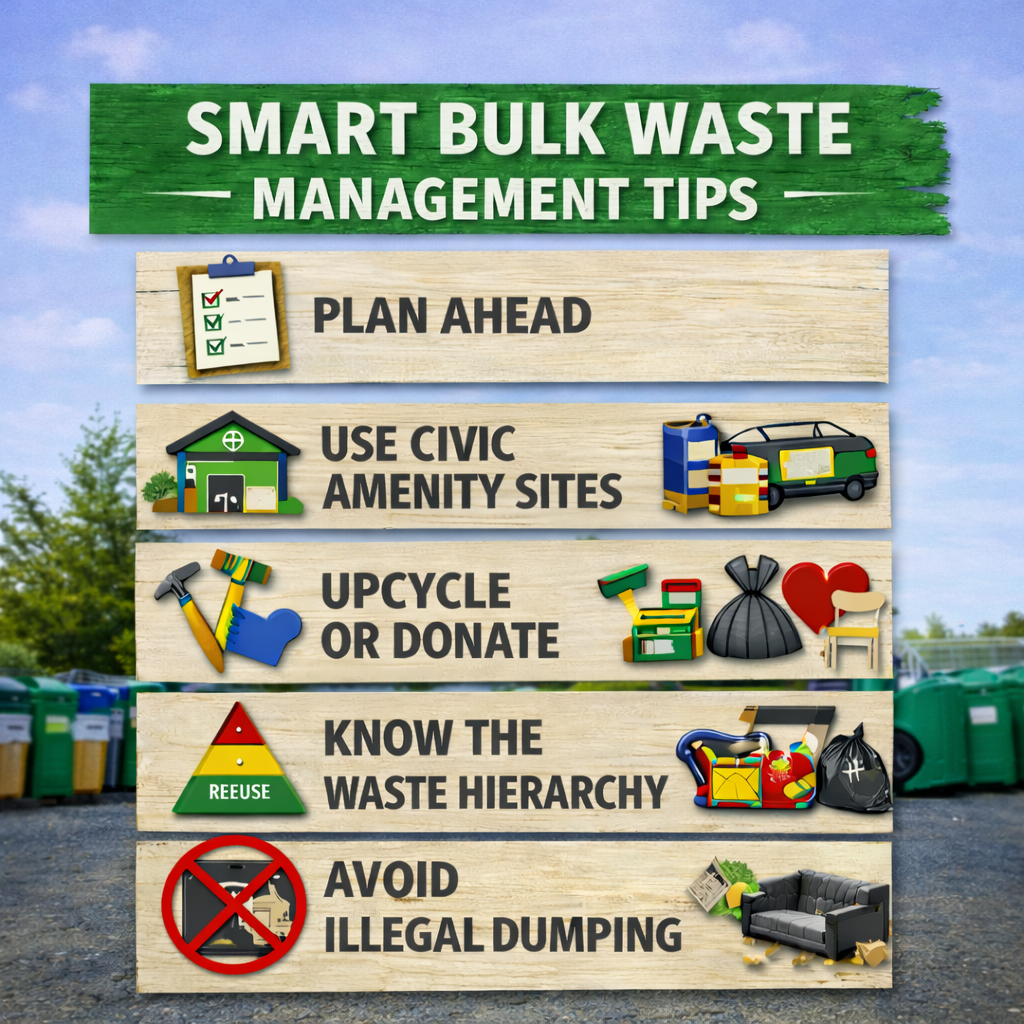
Tip #1: Plan Before You Declutter — Sort First

Before hauling items away, set aside time to assess what can be kept, reused or recycled. This simple upfront step does three big things:

  1. Reduces waste at the source by avoiding unnecessary throws. 
  2. Helps you identify reusable pieces for donation or resale.
  3. Saves money – fewer trips to disposal sites and fewer charges.

How to sort your bulky waste:

  • Keep items that are still functional
  • Repair / Upcycle items with minor wear (see next section)
  • Donate pieces in good condition
  • Recycle / Dispose of only what can’t be reused

This upfront sorting is part of responsible waste planning and puts the circular‑economy principle – reducing waste before disposal – into practice. 


Tip #2: Give Old Items a Second Life (Upcycling & Donation)

Instead of heading straight to disposal, think about reuse or repurposing

Upcycling

Upcycling is about turning something old into something new and useful – sometimes even better than its original form. For example:

  • Turn an old wooden dresser into a feature shelf
  • Repaint and re‑upholster tired chairs for a fresh home look
  • Convert old doors into rustic worktops or garden benches

These creative projects not only cut waste, but can also be a weekend project that saves money and reduces your environmental footprint.

Donate to Charity or Community Reuse Centres

If your bulky item is still in decent condition, many charities and community groups will gladly take it off your hands. Before donating, check whether they accept large items, especially bulky furniture.

This is a win‑win: your item goes to someone who needs it, and fewer resources go to disposal. 


Tip #3: Use Your Local Civic Amenity Site Like a Pro

When reuse isn’t possible, your local civic amenity site is the next best stop. At Barna Recycling sites, you’ll find experienced staff on hand to help you:

  • Identify different waste types
  • Suggest the right places for each item
  • Advise on recycling options, including WEEE (Waste Electrical & Electronic Equipment), which is accepted free of charge 

Quick practical steps for your visit:

✔ Plan ahead – know what you’re bringing
✔ Secure items safely for transport
✔ Ask staff for help if you’re unsure where something goes

This not only makes your trip more efficient but also ensures materials are recycled or disposed of correctly, protecting the environment and local communities. 


Tip #4: Know Ireland’s Waste Hierarchy

Understanding the waste hierarchy helps you make the most sustainable choices:

  1. Reduce
  2. Reuse
  3. Recycle
  4. Recover
  5. Dispose

Bulky waste management should always aim for the highest possible step, for example, reuse before recycling. This approach reduces pressure on landfills and supports a circular economy mindset. 


Tip #5: Avoid Common Bulky Waste Mistakes

Here are a few things people often overlook:

🚫 Leaving bulky items on the kerb. In most Irish councils, this isn’t an approved disposal method and can result in fines.

🚫 Putting bulky waste in household bins – not only will it not fit, but it’s unfair on collectors and contaminates recycling.

✅ Calling ahead if you need help unloading at a civic site.

✅ Breaking down items where possible to save space and make transport easier.


Why Smart Bulk Waste Management Matters (Beyond Your Home)

Smart disposal is about more than clearing space. Effective bulky waste management:

  • Supports recycling targets
  • Reduces landfill waste
  • Saves resources by keeping materials in circulation
  • Supports community reuse and charity efforts

Together, these impact Ireland’s environmental goals – and your local area – in a positive way.


Better Bulk Waste Habits Start Here

Managing bulky waste doesn’t have to be confusing or wasteful. With a little planning, some creative reuse, and the right drop‑off strategy, you can make a big difference – for your home and the planet.

Ready to make bulky waste disposal easier?

Sign up with Barna Recycling today for priority access to sites, reminders and waste‑management support. 


How Cold Weather Affects Your Bins (And What You Can Do About It)

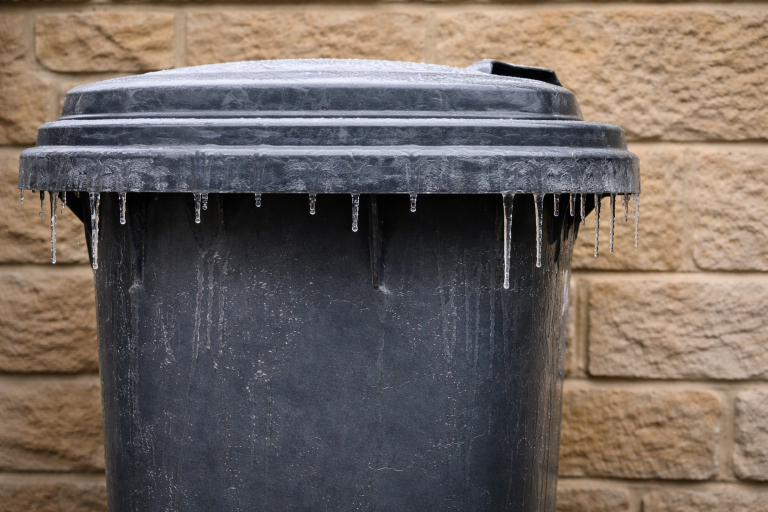
Winter in Connacht has a habit of keeping us on our toes. One day it’s heavy rain, the next a hard frost, with the odd cold snap thrown in for good measure. While we’re keeping warm indoors, our bins are left to face the elements outside, and that can lead to a few seasonal frustrations.

From food waste freezing solid in your brown bin, to rain-soaked bins that feel twice as heavy after the Christmas clear-out, winter can make everyday waste management a little more challenging. The good news? A few small changes to your routine can make a big difference.

Below, we’ve rounded up some of the most common winter bin issues and shared simple, practical tips to help keep things running smoothly right through the colder months.

Frozen Food Waste in the Brown Bin

When temperatures drop, food waste can easily freeze to the bottom or sides of your brown bin. Items like peelings, leftovers, tea bags and coffee grounds are especially prone to sticking, making bins difficult to empty on collection day.

To help prevent freezing:

  • Line the bottom of your brown bin with cardboard, newspaper or a few sheets of used paper. This creates a barrier and helps stop waste from sticking.
  • Wrap wetter food waste in paper or compostable caddy liners before adding it to the bin.
  • Keep your brown bin in a sheltered spot if you can, such as beside the house or under a porch.

Rain-Soaked, Heavy Bins

Winter rain can quickly add extra weight to your general and recycling bins, particularly if lids are left open. Wet contents are not only heavier to move, but they can also make it harder for bins to empty properly during collection.

Keep your bins lighter and easier to manage by:

  • Making sure lids are fully closed at all times. If wind is an issue, a simple weight can help keep them shut.
  • Removing bin lock or straps. We would request these are not on the bins when presented for collection. Bin locks or bin straps that have loose straps that could potentially get caught in the lifting mechanism on the trucks or more importantly could get caught on our crews clothing and cause an injury.
  • Avoiding overfilling. Bins packed too tightly may not empty fully.
  • Breaking down cardboard and packaging to save space, but without compacting materials too much.

Should you have additional waste to dispose of, such as extra bags or cardboard boxes, please make sure you let the office know beforehand.

Smelly Bins in Cold Weather? It Happens!

It’s a common myth that bin odours are only a summer problem. In winter, reduced airflow and extra moisture can still lead to unpleasant smells – especially in compost bins.

To keep things fresher:

  • Add dry materials like shredded paper or cardboard to your brown bin to absorb moisture and balance food waste.
  • Rinse your kitchen caddy regularly, particularly if you’re disposing of meat or dairy scraps.
  • Give your bins a quick rinse between collections using a simple vinegar and water solution to stay on top of odours.

Be Weather-Wise on Collection Days

Frosty mornings, storms or icy conditions can sometimes make collections more challenging or cause delays. A little care when putting bins out helps keep everyone safe.

Please remember to:

  • Place your bin somewhere accessible, away from icy patches or parked cars.
  • Avoid putting bins out too early the night before if frost is forecast.
  • Check our website for service updates during periods of extreme weather.
  • If you have purchased a bin lock or straps, we would request these are not on the bins when presented for collection. Bin locks or bin straps that have loose straps that could potentially get caught in the lifting mechanism on the trucks or more importantly could get caught on our crews clothing and cause an injury.

Bonus Tip: Winter-Proof Your Bin Hygiene Routine

Winter is a great time for a quick bin check-up. Give your bins a rinse, look out for cracks or damaged lids, and make sure you’re stocked up on compostable liners or caddy bags. A little maintenance now can save hassle later and help the rest of the season run more smoothly.

A Smoother, Cleaner Winter Starts With the Right Bin Service

Winter waste management does come with its own quirks, but a few thoughtful adjustments can make all the difference. Small habits add up, and they help keep your home, and Connacht, a cleaner and more pleasant place this winter.

A reliable bin service makes all the difference during the colder months. With regular collections, clear guidance and local support you can count on, Barna Recycling helps take the stress out of winter waste. Whether you’re managing a busy household or simply want peace of mind when the weather turns, signing up means one less thing to worry about this winter.

Not yet a Barna Recycling customer? Sign-up here.

Preparing for the Circular Economy: What Ireland’s New Waste Plan Means for You

Big changes are coming to how we handle waste in Ireland, and they’re set to impact every household and business across Connacht. In 2024, Ireland launched its National Waste Management Plan for a Circular Economy (NWMCE), a comprehensive roadmap designed to shift our current linear waste habits (‘take, make, dispose’) to a more sustainable, circular model focused on reuse, repair, and recycling.

But what exactly is a circular economy? Why does it matter to you? And how can Barna Recycling help you stay ahead of the curve?

In this blog, we break down what the circular economy means in practical terms, outline the key changes coming down the line, and offer actionable steps you can take now to future-proof your household or business.


What is a Circular Economy?


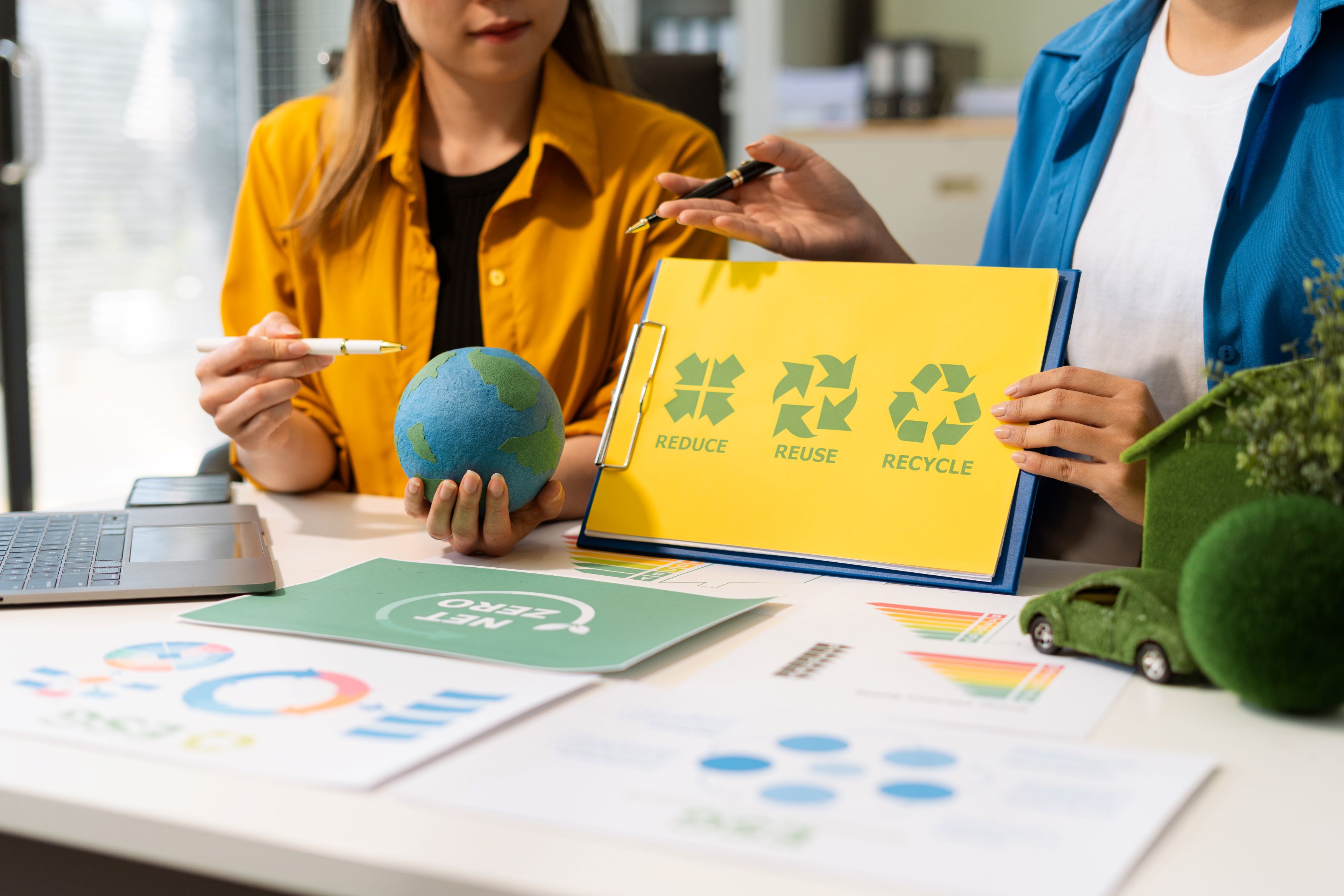
At its core, a circular economy is about keeping resources in use for as long as possible. Instead of throwing things away after a single use, we reuse, repair, share, refurbish and recycle. This model reduces pressure on the environment, reduces waste, and helps create a more resilient local economy.

For example:

  • Fixing a broken chair instead of dumping it
  • Choosing products with less packaging
  • Donating or selling unwanted goods
  • Composting food waste

In the context of waste management, a circular economy means reducing the amount of waste we generate in the first place, improving segregation of waste streams, and increasing recycling and recovery rates.


Key Points from Ireland’s New Waste Plan


The new NWMCE is Ireland’s first waste management strategy that fully embraces circular economy principles. Here are some of the main goals and shifts it brings:

  1. Waste Prevention as Priority
    Prevention is now the top of the waste hierarchy. The plan encourages smarter consumption and aims to reduce waste generation by at least 10% per capita by 2030.
  2. Stricter Rules on Contamination
    Households and businesses will be held to higher standards when it comes to bin contamination. Incorrect sorting could result in rejected collections and possible charges.
  3. Mandatory Segregation for Businesses
    Starting in July 2025, all Irish businesses are required to separate organic, recyclable, and general waste correctly, with fines for non-compliance.
  4. Focus on Reuse & Repair
    New infrastructure and funding will support repair hubs, swap shops, and reuse initiatives across the regions.
  5. Producer Responsibility Expansion
    Brands will need to take more responsibility for the full life cycle of their products and packaging.
  6. Local Authority Action Plans
    Every county and city must develop local Circular Economy Action Plans. This includes Galway, Mayo, Roscommon, and the surrounding areas.


What Does This Mean for You?


Whether you’re a homeowner or a small business, the new waste plan brings both responsibility and opportunity.

For Households:

  • Expect more guidance and checks on how you sort your waste
  • Take advantage of local repair cafes and swap events
  • Be mindful when buying: choose durable, repairable products
  • Be aware of good and bad packaging for recycling or reuse when making purchases
  • Compost food waste at home or use your brown bin properly

For Businesses:

  • Review your waste segregation systems now
  • Train staff on correct waste sorting practices
  • Prepare for documentation requirements
  • Consider reusable packaging or take-back schemes


How Barna Recycling Can Help


As Connacht’s leading waste management provider, Barna Recycling is ready to support households and businesses as they transition to a circular economy.

  • Expert Advice: Our team can guide you through compliance with the new rules
  • Education Resources: We provide bin labels and flyers for schools and businesses
  • Collection Services: From brown bin support to recycling pickups, we help you segregate properly
  • Reuse & Recovery Focus: We’re investing in systems that prioritise waste prevention and material recovery

We’re committed to supporting Connacht communities in reducing waste and creating a more circular, sustainable region.


Start Today for a Greener Tomorrow


The shift to a circular economy won’t happen overnight, but every small step counts. Whether it’s fixing a toaster instead of tossing it or teaching your children to recycle right, the change begins at home and in the workplace.

Don’t wait until the new rules catch you off guard. Partner with Barna Recycling today to stay ahead and make a positive impact on our local environment.

Ready to take action? Sign up now for Barna Recycling services and start your journey towards a circular lifestyle.

Why You Should Never Bin Batteries or Vapes in Your Household Waste

As more Irish households adopt devices powered by batteries or rechargeable components, it is vital to understand the risks of disposing of used batteries and vapes incorrectly. Putting them into your general waste bin might seem harmless, but in fact it carries serious dangers—for safety, for the environment, and for workers in the waste industry.

This post explains those hazards, outlines the correct disposal methods in Ireland, and answers common questions. It is optimised for local SEO and aligned with Barna Recycling’s ethos in Connacht.


A Massive Danger for Householders

Householders should know there’s a real fire risk from discarded batteries and vapes. If these are damaged or crushed in a wheelie bin, a bin truck, or at a sorting facility, lithium cells can short out and flare up, sometimes with little warning.

A small fire can spread quickly, fill the air with toxic smoke, and damage fences, sheds, and vehicles, which can put people and pets at risk. Fires like this can also disrupt collections and mean costly repairs or insurance claims.

The safest approach is to store used batteries and vapes in a cool, dry place away from anything flammable, and take them to a designated drop-off point or an approved battery recycling service. The following section dives deeper into the consequences of the incorrect disposal of batteries and vapes.


Why Batteries and Vapes Don’t Belong in Your Household Bin


Fire and Thermal Runaway in Waste Streams

When batteries (especially lithium‑ion types) are crushed, punctured or damaged during waste collection or processing, they may enter thermal runaway, heating up uncontrollably, igniting nearby materials or even reigniting after being extinguished. In waste handling facilities, battery‑related fires are among the leading causes of serious incidents.

Globally, the rate of catastrophic fire losses in recycling and waste facilities is rising: one study found that the rate has increased by 41 % over the past five years, with many of those incidents traced to misdisposed lithium batteries.

The waste industry estimates that batteries are responsible for about half of the fires in waste and recycling streams.


Environmental and Health Hazards

Batteries and vape devices contain hazardous substances, such as heavy metals, corrosive electrolytes and other toxic chemicals. When landfilled or exposed to leaking conditions, these substances can leach into soil and groundwater, harming ecosystems, contaminating water sources and posing risks to human health.

Vape devices also may contain residual nicotine liquid, which is toxic and can pose spill or contamination risks if the device leaks.


Legal and Regulatory Obligations in Ireland

In Ireland, waste batteries and electronic equipment (WEEE) are regulated under national and EU law. They are classed as hazardous waste, so it is illegal to dispose of them in general household bins.

The European Union (Batteries and Accumulators) Regulations 2014 set out important obligations for battery producers, importers and distributors in Ireland.

In March 2024, new Battery Regulations under EU Regulation 2023/1542 came into effect in Ireland, with staged implementation of stricter rules on collection, labelling, producer responsibility and recycling targets.

Retailers in Ireland that sell electronic goods or batteries must accept waste batteries (of a type they sell) from customers free of charge for recycling.

It is also required that waste batteries never be placed in waste or recycling bins.


So, What Should You Do With Your Used Batteries and Vapes?

Disposing of batteries and vapes properly is easier than you might think. Here’s how:

  1. Don’t put them in the general waste bin.
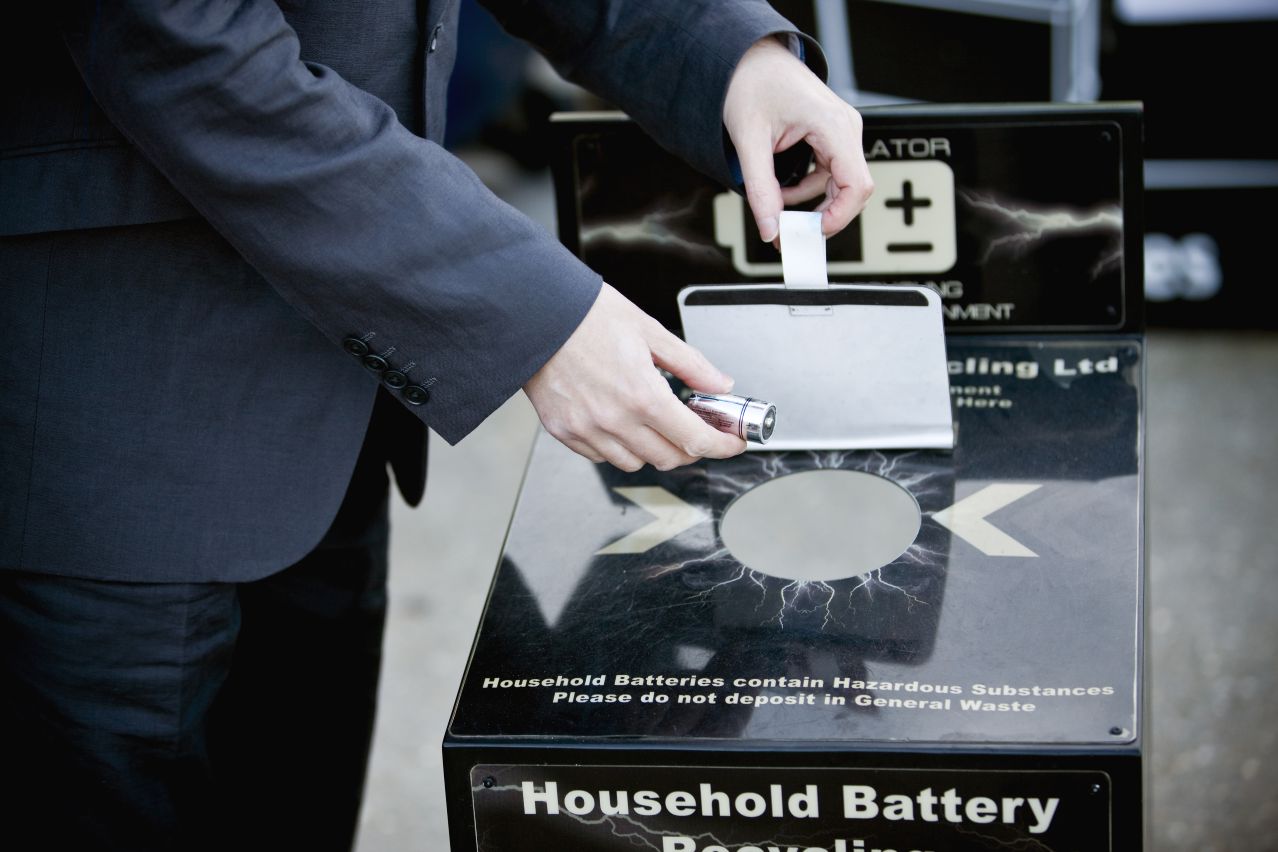
  2. Use battery collection points. You’ll find free “Blue Battery Boxes” in local shops, supermarkets, electrical retailers, and your nearest civic amenity site.
  3. Separate removable batteries from vapes. If the battery can be taken out, drop it into a battery box. If not, recycle the entire device via a WEEE drop-off point.
  4. Cover battery terminals with tape. This prevents sparks or contact with other metals in transport.
  5. Use local recycling centres. Visit weeeireland.ie or mywaste.ie to find your nearest drop-off location.
  6. Take advantage of take-back schemes. If you’re buying a new vape or electronic item, ask the retailer to take your old one – they’re legally obliged to do so, even if you didn’t buy the original item there.

All of this is completely free of charge for consumers.

Where to Recycle Batteries and Vapes in Connacht

Here are some simple ways to safely dispose of your items:

  • Battery recycling bins are widely available in Connacht supermarkets and newsagents.
  • Barna Recycling’s civic amenity sites accept batteries and electronic waste. Visit our Household Recycling page for opening hours.
  • Your local vape shop must accept your old device when you purchase a new one.
  • Your nearest WEEE collection point – check weeeireland.ie for details.


FAQ (Frequently Asked Questions)

Can I put used batteries in the household recycling bin?
No, you should not. Batteries are classified as hazardous waste and must not go into household waste or recycling bins.

What do I do with a disposable vape I cannot open?
If the battery is not removable, recycle the entire device via a WEEE drop‑off point, making sure any remaining liquid is disposed of safely and the unit is not binned.

Will I be charged to recycle batteries or vapes in Ireland?
No. Recycling of batteries and WEEE in Ireland is free to consumers.

Which types of batteries are acceptable for recycling?
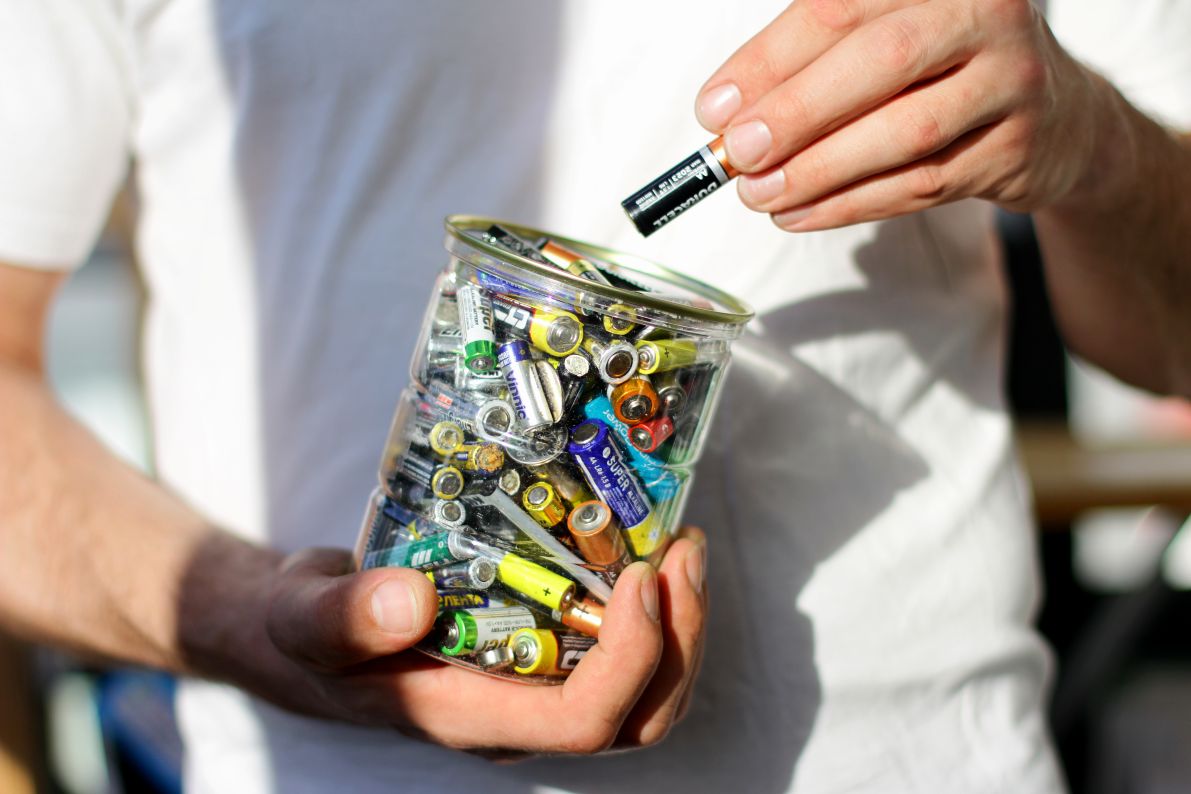
Portable batteries (AA, AAA, coin cells etc.), batteries from small appliances, rechargeable batteries, and electronic devices all fall under acceptable categories for battery/WEEE collection.

Why is it so dangerous to bin vapes or batteries?
Mechanical damage in bin lorries or waste facilities can trigger thermal events, leading to fires, reopening of smouldering cells, or ignition of waste materials. These fires are difficult to extinguish and pose danger to workers and infrastructure.


Do the Right Thing (and Recycle)

Disposing of vapes and batteries properly might seem like a small action, but it makes a massive difference, preventing fires, protecting waste workers, and keeping harmful substances out of our environment.

Don’t take the risk. Binning them could cost far more than a trip to your local drop-off point.

Make the responsible choice today. Recycle your batteries and vapes properly, and if you’re not yet signed up with Barna Recycling, you can do so easily right here.

Back to School: How to Pack a Zero‑Waste School Lunch

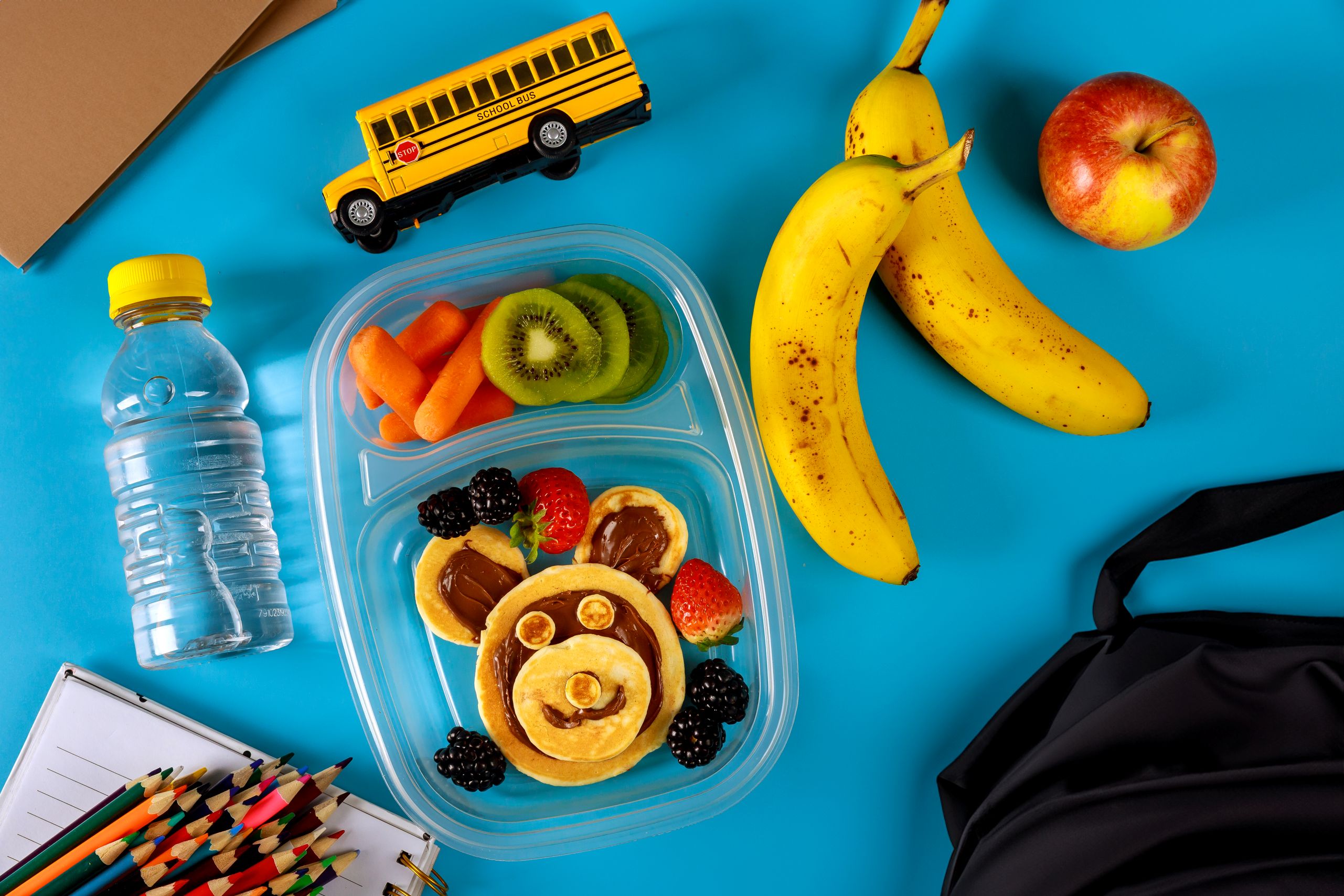
school-lunch-box-with-pancakes-vegetables-and-fru-2025-01-09-18-44-12-utc

School is back in full swing across Connacht. The early alarms, the new timetables, the school runs – they’ve all returned. And so has the daily question: what’s going in the lunchbox? If you’ve found yourself reaching for the same packaged snacks and juice boxes again, you’re not alone.

But there’s a better way. It’s not about perfection. It’s about small, practical swaps that can lighten the bin and brighten your child’s day. Welcome to the joys of a zero‑waste school lunch.

A zero‑waste lunchbox isn’t about being perfect or overhauling your whole routine. It’s about reducing packaging, using everyday reusable items, and lowering waste without extra hassle. It’s a small change with a big impact on our local environment, and it helps families save time and money as the school term gets busier.


Why Zero‑Waste Lunches Matter (Especially Here in Ireland)


Less landfill, more green
In Irish classrooms and homes, food and packaging waste go hand in hand. In fact, almost 30% of all food produced in Ireland ends up as waste, and schools are one of the biggest contributors. Cutting down lunchbox waste is one of the simplest yet most powerful ways to tackle this.

Boost healthy habits and awareness
Opting for reusable containers, beeswax wraps, or stainless-steel bottles doesn’t just help the planet. It also opens up conversations with kids about the environment, personal responsibility, and smarter choices. It’s a brilliant opportunity to teach sustainable habits now that the school year is underway.

Save money over time
Those cling film rolls and juice boxes add up. Investing in durable, reusable gear may cost a little upfront, but over a term or a year, your wallet (and the Earth) will thank you.


5 Simple, Sustainable Lunchbox Swaps

1. Ditch the disposables

Swap cling film, foil, and cereal bars in plastic wrappers for reusable lunchboxes, beeswax wraps, or stainless containers. These durable swaps pay for themselves over time. They’re eco‑friendly and wallet‑friendly.

2. Skip single-serve drinks

Instead of juice boxes or pouches, fill a refillable water bottle or stainless-steel drinks flask. You’ll cut plastic waste and avoid those tiny cartons cluttering the bin.

3. Use cloth napkins and reusable cutlery

Swap paper serviettes and plastic forks or spoons for cloth napkins and reusable cutlery. They’re charming, practical, and much kinder to the waste bin.

4. Think bulk, prep smart

Buy yoghurt or snacks in family-size containers, then portion them into reusable pots. Prepping over the weekend? Batch-make snack packs to cut down prep time during busy school mornings.

5. Get kids involved and realistic

Ask them what they’ll actually eat, not just what looks appealing. Overpacking leads straight to waste. Involving children in packing also makes them more likely to eat and care about their lunch. Plus, it’s a lovely bonding moment before the school run.


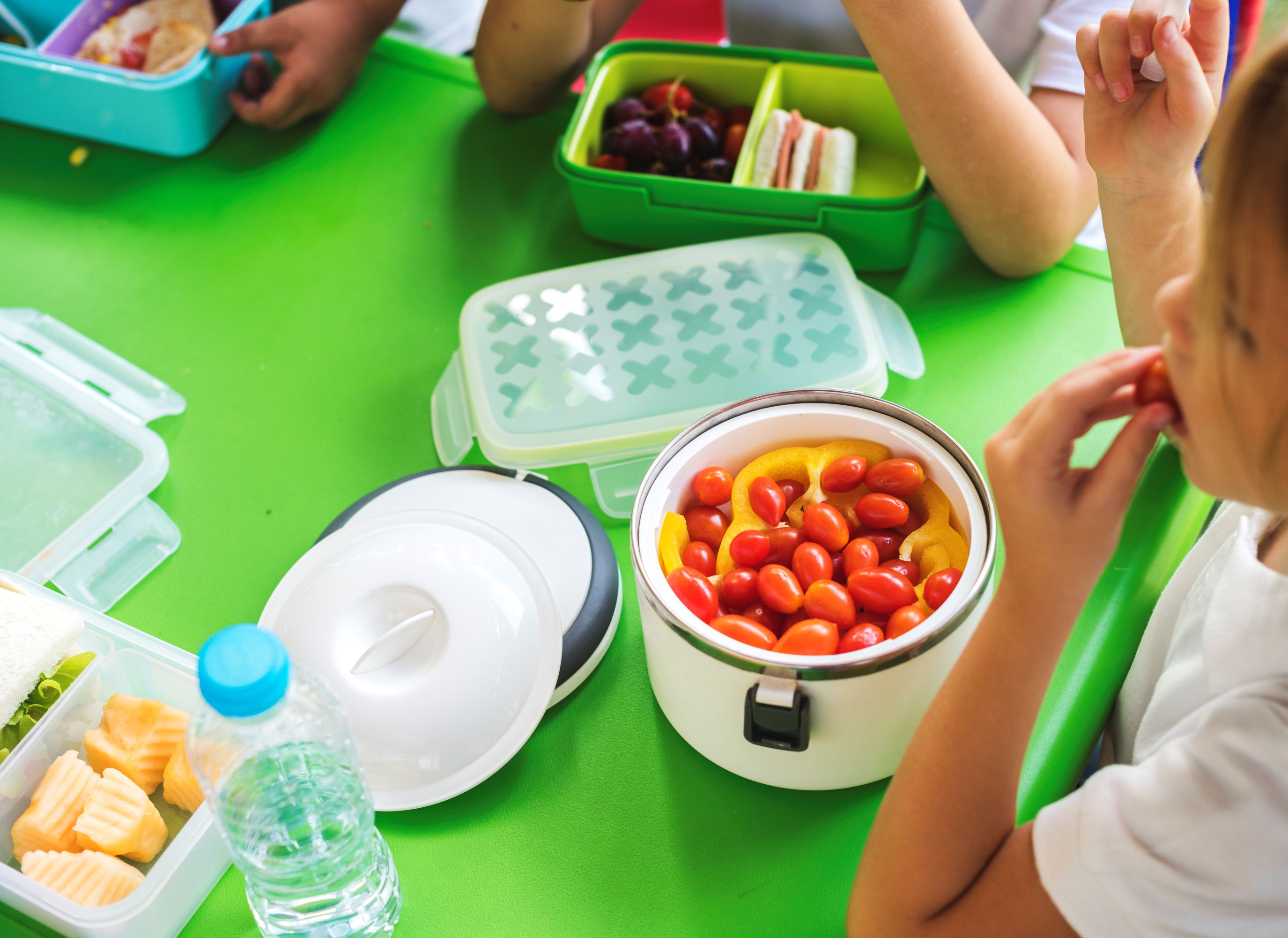
group-of-kindergarten-students-eating-food-lunch-b-2025-02-10-13-37-56-utc

A Practical Zero‑Waste Lunch Routine

  • Prep Ahead: Soak and wrap food in the evening. The morning rush is already full enough.
  • Mix it Up: Pair sandwiches with chopped fruit, homemade granola, or a small salad in reusable containers. Variety means less waste and less nagging.
  • Storage Savvy: Use a cooler bag or ice block if needed to keep perishables fresh.
  • Leftovers-Friendly: Choose leak‑proof containers. Leftovers come home as feedback, not landfill fodder.
  • After-School Chores: Let kids rinse and repack their containers. It makes the next day easier and builds life skills.


A Lighter Bin, A Healthier Mindset

We’re a few weeks into the school year, and now is the perfect time to reset the routine. Some days you’ll nail it. Others, convenience might win. That’s completely fine. The aim isn’t perfection. It’s progress.

By taking a few steps towards a zero‑waste school lunch, you’ll start to notice:

  • Less clutter
  • Lighter bins
  • More nutritious, homemade meals going inside

That’s a win for your child, your wallet, and our planet.


Let’s Keep Connacht’s Lunches Greener

A zero‑waste school lunch is about as simple and impactful as eco-action gets. Just a few smart swaps, rooted in local habits, with real benefits in affordability and sustainability. At Barna Recycling, we’re here to support Connacht families in making the rest of this school term cleaner, greener, and more mindful.

Ready to reduce your household waste even more? Sign up for smarter waste services now.

Children at Home for the Summer? Fun Ways to Teach Kids About Recycling

School’s out, and the long summer days are in full swing, meaning more time with the kids at home. If you’re looking for ways to keep them entertained without endless screens or sugary snacks, why not turn to something that’s both educational and fun?

Teaching children about recycling and sustainability during the summer is the perfect opportunity to build habits that stick, while keeping them happily engaged.

Here are imaginative, interactive, and downright fun ways to teach kids about waste management this summer.

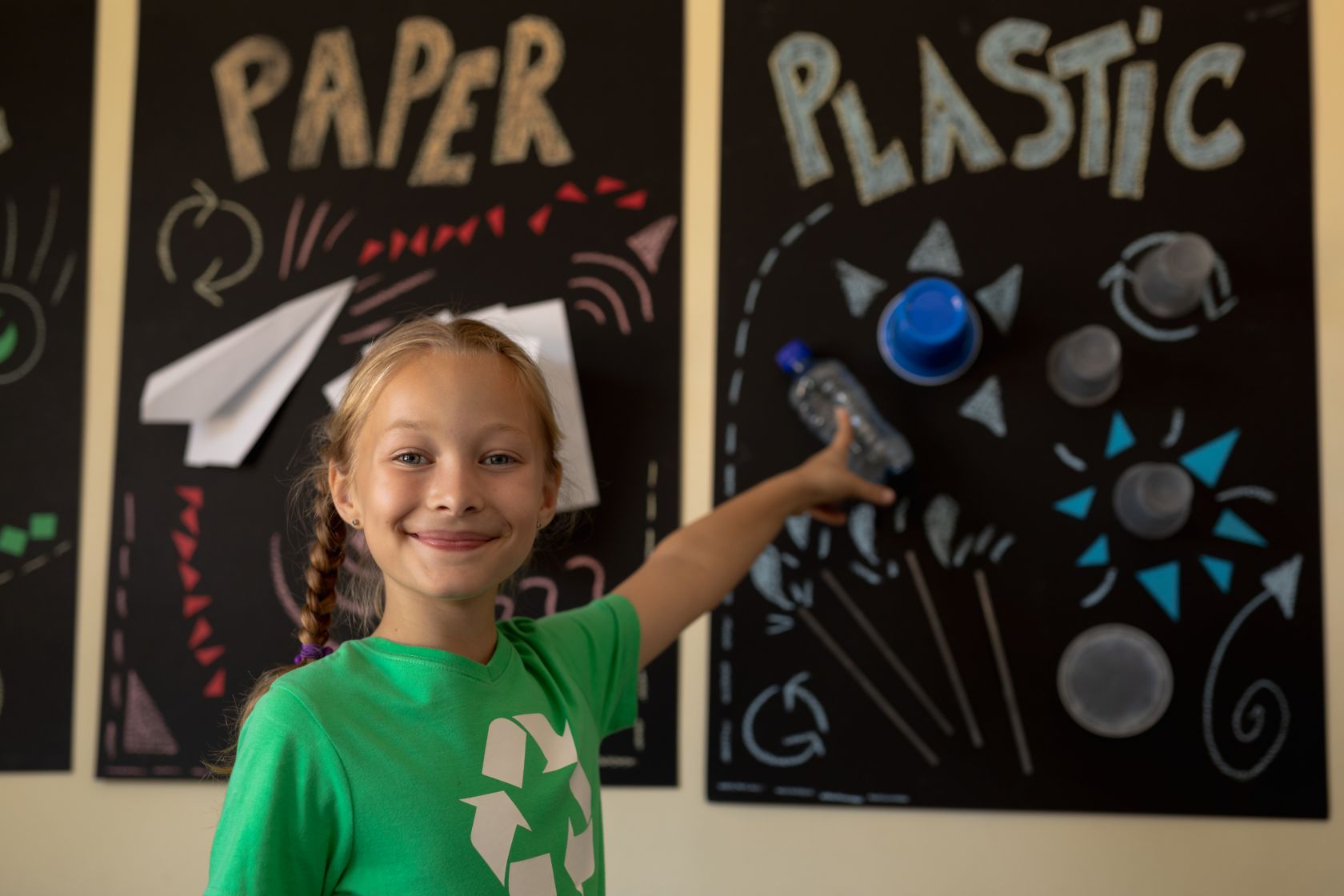
1. Bin Sorting Relay Challenge

Set up a “waste race” where kids must run and place items in the correct bins: brown (compost), blue (recycling), and black (general). Add some common tricky items (e.g., pizza boxes or soft plastics) and have a mini quiz after each round.

Use this to reinforce proper bin use and check out our Bin Collection Guide for a refresher.

2. Craft Your Rubbish into Art

Gather clean waste items like yoghurt tubs, egg cartons, and toilet rolls, and let the kids build something imaginative. Create robots, castles, rockets, or eco-planters for garden herbs.

Have a mini exhibition at home and let them explain what each piece is made from. It helps them see waste as a resource, not just rubbish.

3. Green Storytime and Eco Books

Read stories with a recycling or environmental theme to plant the seeds early. Great choices include:

  • Michael Recycle by Ellie Bethel
  • The Mess That We Made by Michelle Lord
  • George Saves the World by Lunchtime by Jo Readman

Follow up with a drawing session or role-play based on the story’s characters and lessons.

4. Composting: The Backyard Science Lab

Create a child-friendly compost bin outdoors. Teach kids to separate food scraps like banana peels or eggshells from non-compostable items. Use a see-through tub or cut-out viewing window so they can watch the decomposition process.

Track changes week by week and talk about what’s happening underground – perfect hands-on science!

5. Pack a Zero-Waste Picnic Together

Have your children help plan and pack a picnic using no disposables. Use lunchboxes, cloth napkins, refillable bottles, and stainless steel containers.

Let them count how many pieces of waste they avoided. You can turn it into a game with prizes for the most waste-free ideas.

teaching kid recycling

6. Neighbourhood Litter Pick & Scavenger Hunt

Arm yourselves with gloves, reusable bags, and a list of litter “treasures” to find (e.g., 3 plastic bottles, 2 wrappers, 1 can). This turns a clean-up into an adventure.

Join local initiatives through Clean Coasts or community Tidy Towns groups. You can even track how much litter your family collects over the summer.

7. Eco Screen Time

Transform screen time into learning time. Some great platforms include:

  • SciShow Kids – educational YouTube series
  • Earth Rangers App – interactive eco-missions
  • Our Planet on Netflix – stunning visuals and powerful storytelling

Pick a topic and discuss what they learned afterwards, maybe even draw their favourite part.

8. Sustainable Star Chart

Create a wall chart with daily or weekly green challenges: turning off lights, picking up rubbish, using a reusable bottle, sorting waste. Add stickers or stars for each completed task.

At the end of the week, reward them with an eco-friendly prize, like a bug viewer, reusable lunch set, or a tree planted in their name.


Make Your Home More Eco-Friendly

Involving kids in sustainable living not only nurtures environmental responsibility, but it also encourages creativity, confidence, and teamwork. With these fun activities, your family can make the most of summer while building a greener future.

Want to make your home more eco-friendly? Visit our Household Services or Sign Up and join the Barna Recycling community today.

How to Manage Your Waste When Travelling or Camping Around Ireland

Summer in Ireland is made for outdoor adventures like road trips through the Wild Atlantic Way, camping under the stars in Connemara, or exploring quiet forest parks in Leitrim. But while you’re soaking up nature, it’s just as important to protect it.

Whether you’re off-grid camping, glamping, or staying at a holiday park, how you manage your waste makes a big difference. With more people choosing staycations, responsible camping practices are more important than ever. Here’s your complete guide to sustainable waste disposal and recycling while on the move.


1. Plan and Pack Smart

Smart packing reduces waste before your trip even begins. Prepare food in advance using reusable containers, and bring your own refillable water bottles, thermoses, bamboo cutlery, and cloth shopping bags. This reduces your reliance on takeaway containers, plastic wrappers, and single-use items.

Consider shopping locally before you leave. Visit your nearest farmers market, like those in Galway, Ballina or Sligo, to stock up on fresh produce with minimal packaging. Not only does it reduce waste, but it also supports small Irish producers.


2. Set Up a Mobile Waste Sorting Station

Bring separate bins or colour-coded bags for general waste, recyclables, and food waste. A basic folding crate system in your boot works brilliantly. Compostable bin liners are ideal for food scraps, and mesh laundry bags can double as makeshift bottle or can holders.

Labelling the bags clearly helps the whole family get involved and prevents confusion when it’s time to dispose of your rubbish.


3. Research Waste Facilities Before You Go

Always check ahead to see what waste facilities are available at your campsite or destination. Many remote areas in Ireland operate on a “Leave No Trace” basis, which means you’re expected to take your rubbish home.

You can check resources like Leave No Trace Ireland or Coillte for up-to-date info on waste guidelines at Irish forest parks and outdoor sites.


4. Shop and Eat the Low-Waste Way

Avoid heavily packaged foods and shop with waste reduction in mind. Ditch plastic-wrapped snack packs for bulk items or fresh goods that can be stored in tubs or beeswax wraps.

Consider choosing meal ingredients that create minimal waste, like pasta, potatoes, and local veg. Cook in bulk and reuse leftovers creatively the next day to reduce food waste.


5. Don’t Burn or Bury Waste

Burning waste – especially plastics – releases toxic fumes. Burying waste damages soil, threatens wildlife, and breaks the principles of responsible outdoor recreation.

Always use public bins where available, or take waste home for sorting. If you come across litter left behind by others, consider doing a small clean-up. It’s a powerful way to teach kids and fellow campers about environmental responsibility.


6. Clean As You Go

Tidy your site daily. This avoids a pile-up of rubbish, deters pests, and prevents wind from scattering lightweight waste like paper or foil. Encourage a team effort, especially if camping with children – give them a mini-cleanup mission each evening before dinner.


7. Use Eco-Friendly Toiletries & Products

Opt for biodegradable soaps, shampoo bars, dishwashing liquids, and even toothpaste. These are safer for the environment, especially when camping near lakes, rivers, or coastal areas.

Support Irish eco-brands when possible. Many health stores across Connacht stock locally made products that are both gentle and green.

Need help? Here’s a list of some of the Irish brands focused on sustainable toiletries, natural skincare, vegan soaps, and body care products:


8. Involve the Kids in a Fun Way

Get creative with waste education. Let kids be “Eco-Officers” for the day or start a nature scavenger hunt that ends with a tidy-up task. Introduce them to litter-picking tools or turn sorting recyclables into a race.

A good resource for families is the EPA’s Green Home Programme, which includes waste and sustainability challenges.


Travel Lighter, Leave Greener: Join the Waste-Wise Movement

Managing your waste responsibly while camping or travelling around Ireland protects the natural beauty that draws so many of us outdoors. With a few mindful practices, you can cut down significantly on what ends up in the bin and inspire others to do the same.

Looking for more household waste tips? Check out our blogs How to Reduce Plastic Waste: Simple Changes That Make a Big Difference and Small, Simple Changes For An Eco-Friendly Bathroom.

Not a Barna Recycling customer yet? Sign Up here to become part of our eco-conscious community.

How to Reduce Plastic Waste: Simple Changes That Make a Big Difference

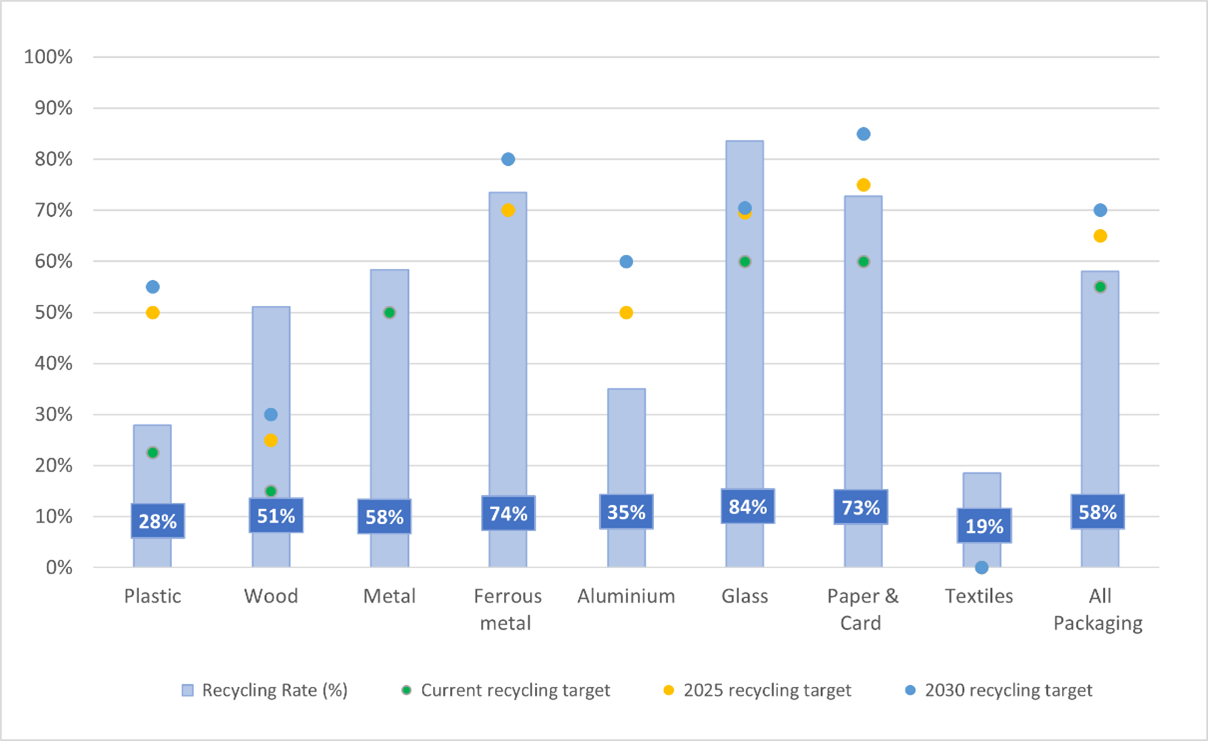
Let’s talk plastic! Picture this: you unpack your groceries and end up with more plastic than food. Sound familiar? You’re not alone. Irish homes are awash with plastic packaging, but did you know that of the 372,000+ tonnes we generated in 2021, only a tiny fraction (just over 26,000 tonnes) was actually recycled? That’s a serious problem, but also a huge opportunity for change.

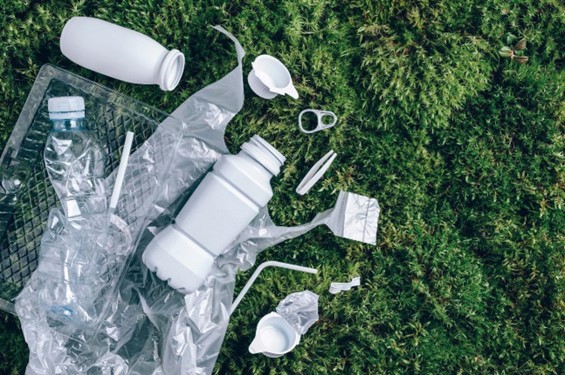
plastic packaging waste

Source: https://www.epa.ie

At Barna Recycling, we know that tackling plastic waste starts with everyday habits at home. In this post, we’ll show you how to reduce plastic waste with realistic tips, bust some recycling myths, share how Ireland is improving, and give you a peek behind the scenes of what happens to your plastics once they leave your blue bin.

First Up: What Even Counts as Plastic Waste?

Plastic waste is any used plastic that’s thrown away. Think food wrappers, drink bottles, cling film, and those little nets that come with fruit. The issue? Most of it sticks around for hundreds of years, polluting land, sea, and even our air as it breaks down.

Some of the worst offenders are single-use plastics: packaging, wrappers, straws, and takeaway containers. These items are used for minutes but can linger for centuries. Reducing our reliance on these throwaway plastics is one of the most effective ways to cut down on waste.


How to Reduce Plastic Waste at Home: Easy Changes That Stick

You don’t need to go zero-waste overnight. Here are a few ways to make a real dent in your plastic footprint:

  1. Buy in bulk – Fewer packages, less plastic.
  2. Use reusable items – Invest in a durable water bottle, coffee cup, and shopping bags.
  3. Say no to plastic-wrapped produce – Choose loose fruit and veg where possible.
  4. Avoid microplastics – Switch to natural fibre clothes and check cosmetics for plastic beads.
  5. Support local and eco brands – Seek out businesses that use biodegradable or minimal packaging.
  6. Get crafty – Repurpose plastic containers for storage, crafts, or garden use.
  7. Teach your kids – Instilling recycling habits early makes a lifelong impact.

These simple choices can significantly reduce the amount of plastic leaving your home each week.


Can I Recycle Soft Plastic Now?

Yes, finally! Since 2020, Irish recycling centres (including Barna’s) can now accept soft plastics like bread bags, bubble wrap, and toilet roll wrappers. These used to be sent to landfill or incineration but are now recoverable thanks to improved technology.

Here’s the quick test: if it stretches rather than tears, it’s likely recyclable. If it feels crinkly and tears like paper, it’s probably laminated and belongs in the general waste bin.

Tips:

  • Wash and dry all plastics before tossing them into the blue bin.
  • Keep it loose – don’t bag your recycling.
  • When in doubt, check our What Goes in My Blue Bin page.


What Can (and Can’t) Be Recycled?

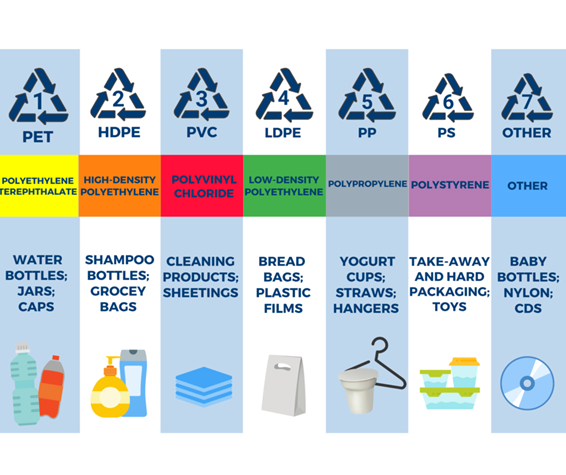
The diagram below is a helpful guide for plastic waste management. The categorisation of plastics helps us to understand which types can be recycled, guiding us to a more sustainable future.

  • PET (1) – Water and soft drink bottles (yes)
  • HDPE (2) – Milk bottles, shampoo containers (yes)
  • PVC (3) – Food wrap, pipes (no)
  • LDPE (4) – Shopping bags, frozen food packaging (check locally)
  • PP (5) – Yoghurt pots, margarine tubs (yes)
  • PS (6) – Disposable cups, foam packaging (no)
  • Other (7) – Mixed plastics (generally no)

When you recycle right, you reduce contamination and help the entire system work better.


How Ireland Is Tackling Plastic Waste: The DRS Scheme

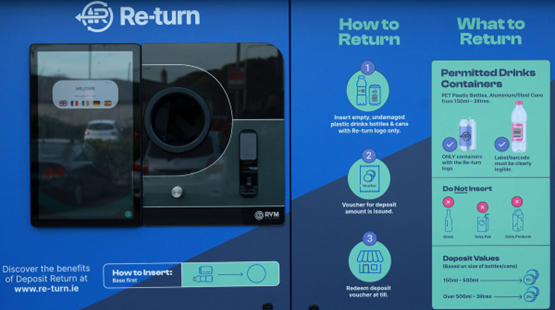
Ireland’s Deposit Return Scheme (DRS), launched in early 2024, is already having a big impact. In February 2025, Re-turn, the operator of Ireland’s DRS, celebrated the milestone of 1 billion drinks containers returned by the Irish public. This milestone shows that the number of bottles and cans returned would be enough to circle the globe 4.7 times.

With return points expanding and public awareness growing, we’re on track to meet our EU targets. This scheme not only rewards responsible behaviour but also keeps recyclable materials in circulation and out of nature.

What Happens After Barna Collects Your Recycling?

Our recycling process starts with you. Once your plastic waste is placed in the household recycling bin, our collection crew collects the recycling bins on the designated day and delivers the waste materials to our EPA-licensed recycling facility. Here’s a behind-the-scenes look at how your waste is handled:

  1. Collection: Our crews pick up your recycling bins on designated days.
  2. Sorting: At our EPA-licensed facility, items are hand and machine-sorted.
  3. Segregation: Soft plastics are separated using high-tech optical sorters.
  4. Baling: Sorted materials are compacted into bales.
  5. Transport: These bales are shipped to licensed facilities across Europe for reprocessing into new products.


Plastic Waste by the Numbers: Eye-Openers

  • A single plastic bag takes 500 years to decompose
  • 90% of ocean waste is plastic
  • Recycling just one bottle powers a 60W bulb for 6 hours
  • 25 bottles = 1 fleece jacket
  • Plastic production uses 8% of global oil

These stats show why every small step matters.

It’s about time YOU took action to reduce plastic waste on OUR planet!

Reducing plastic waste doesn’t have to be overwhelming. Small, consistent steps, such as buying smarter, recycling right, and supporting systems like the DRS, can add up to a big difference.

Join thousands of Connacht residents already making that change with Barna Recycling. Together, we can build a cleaner, greener, and more sustainable Ireland.

Not with Barna Recycling yet? Sign up today to make your recycling count. Join here.

Small, Simple Changes For An Eco-Friendly Bathroom

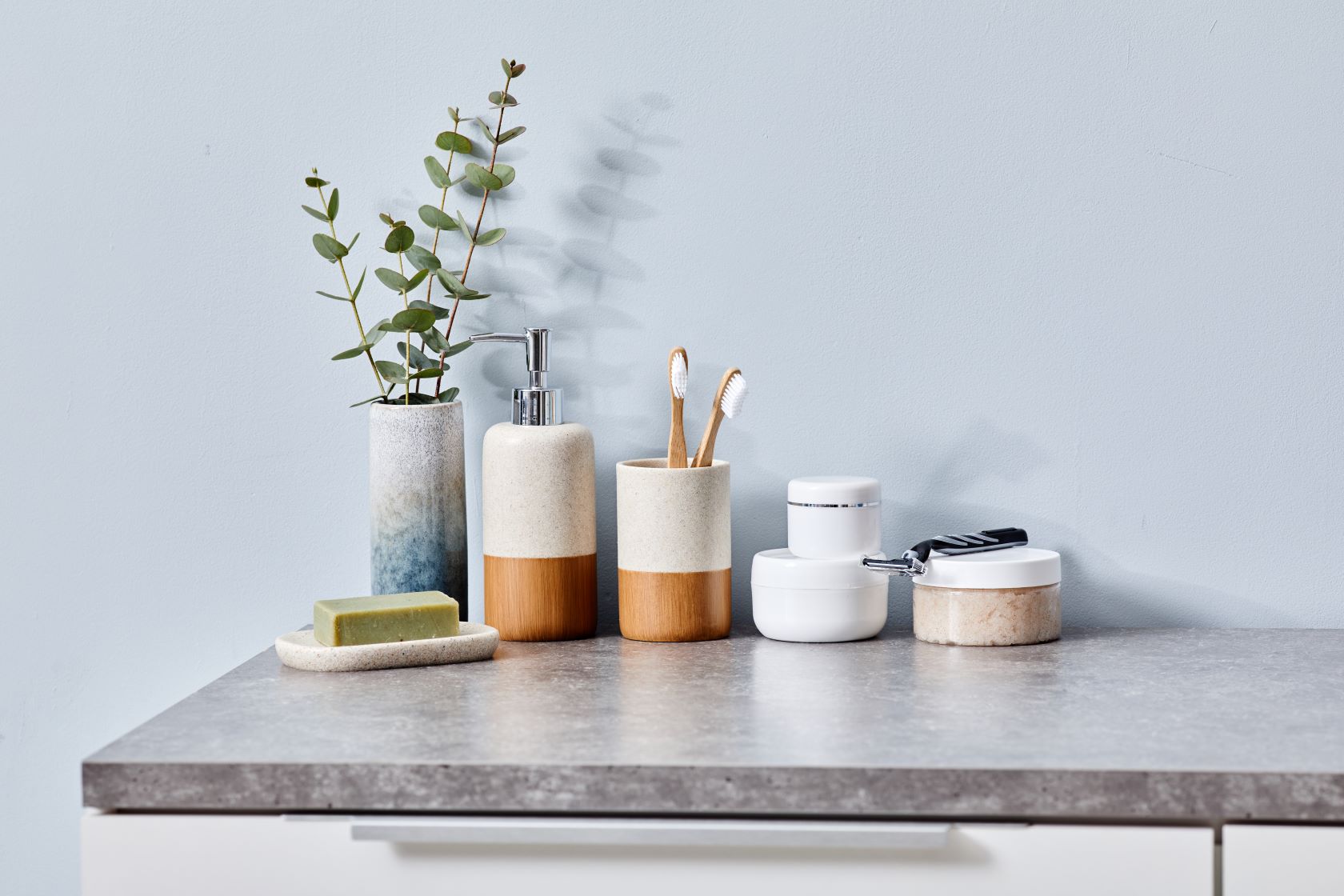
eco-friendly bathroom

We don’t often think of the bathroom as a place where we can go green, but it’s actually one of the easiest rooms to make more sustainable. Whether it’s reducing plastic packaging, rethinking how we use water, or switching to earth-friendly alternatives, there are plenty of small changes that can make a big difference.

If you take a minute to examine your personal care, beauty, and general hygiene routine, you might be surprised to find that often there is more waste in your bathroom than anywhere else in the house. From shampoo bottles, shower gels, soap packaging, disposable razors, to bathroom cleaners and toilet rolls, the list is endless. 

In this guide, we’ll walk you through a range of easy ideas to help you create an eco-friendly bathroom. With just a few mindful swaps and habits, you can start building a space that’s better for both you and the planet.


Start by Decluttering: Less Really is More

Creating a sustainable bathroom begins with knowing what you have and what you no longer need. How many half-used shampoo bottles or expired products are sitting in your cabinet right now?

  • Clear out the clutter: Set aside time to sort through your bathroom shelves and drawers. Discard any out-of-date items or those you no longer use.
  • Use what you have: Before buying anything new, make a habit of finishing what you’ve already got.
  • Recycle thoughtfully: Make sure to separate recyclable items, such as shampoo bottles and cardboard packaging, and dispose of them properly.

Choose Reusables and Biodegradable Alternatives

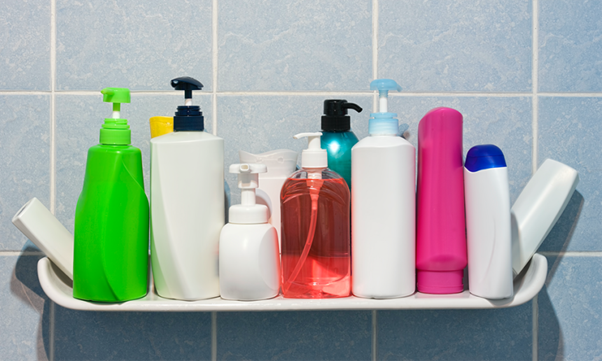
Bathroom Recyclable Bottles

Making your bathroom more eco-friendly doesn’t mean overhauling everything overnight. Start small by swapping out disposable items for longer-lasting, biodegradable or reusable alternatives.

  • Switch to bamboo toothbrushes instead of plastic ones.
  • Use shampoo and conditioner bars to cut down on plastic packaging.
  • Replace disposable razors with refillable safety razors.
  • Opt for reusable cotton pads and facial cloths instead of single-use wipes.
  • Try organic, natural soaps that are free from harmful chemicals and come in recyclable or compostable packaging.

These swaps don’t just help reduce waste, they also tend to be better for your skin and wallet over time.

Rethink How You’re Recycling Bathroom Waste

eco-friendly toilet

Recycling in the bathroom is often overlooked, but it’s just as important as in the kitchen. A few tweaks can make all the difference.

  • Install a small bathroom recycling bin: This simple addition can encourage proper disposal of items like empty toilet roll tubes, product boxes, and plastic bottles.
  • Rinse and remove lids: Items should be clean and dry to be accepted by most recycling services.
  • Check local recycling guidelines: Some items might need to be taken to a recycling centre, like aerosol cans or certain plastics. Check out What Goes in My Blue Bin if you are unsure about what items you can recycle. 

By staying informed and consistent, you can turn your bathroom into a hub for responsible waste disposal.

Note: Items like nappies, toilet rolls, wipes, and cotton wool CANNOT be recycled and should be disposed of in the general waste bin (black Barna bin). 

Explore Green Bathroom Ideas for a Healthier Space

Sustainability doesn’t end with products—it extends to design and functionality too. Whether you’re renovating or just refreshing your space, these green bathroom ideas can help lower your environmental footprint:

  • Install water-saving fixtures like low-flow taps and showerheads.
  • Use LED lighting to reduce energy use.
  • Decorate with indoor plants to naturally purify the air.
  • Choose natural materials like reclaimed wood, stone, or bamboo for a warm, organic feel.
  • Paint with eco-friendly paints that have low or no VOCs (volatile organic compounds).

With a few thoughtful upgrades, you can create a bathroom that looks good, feels good, and does good.


Building Your Zero Waste Bathroom

An eco-friendly bathroom isn’t just good for the environment, it’s often more economical, healthier, and simpler too. By gradually swapping disposables for reusables, recycling more mindfully, and embracing sustainable design, you’re taking meaningful steps toward a zero-waste bathroom.


Go Green With Barna Recycling

At Barna Recycling, we’re committed to helping you live more sustainably, starting with your everyday spaces. We are Connacht’s leading provider of waste management services, providing a professional, reliable and environmentally friendly service.

Not yet a customer? Join today and enjoy the peace of mind that we will recycle what you throw away, lowering the costs to our customers and also to our shared environment.

Learn more about our contract options and sign up today.