Archives Barna Recycling

2025 Hacks: Mastering Household Waste Disposal

household waste disposal tips

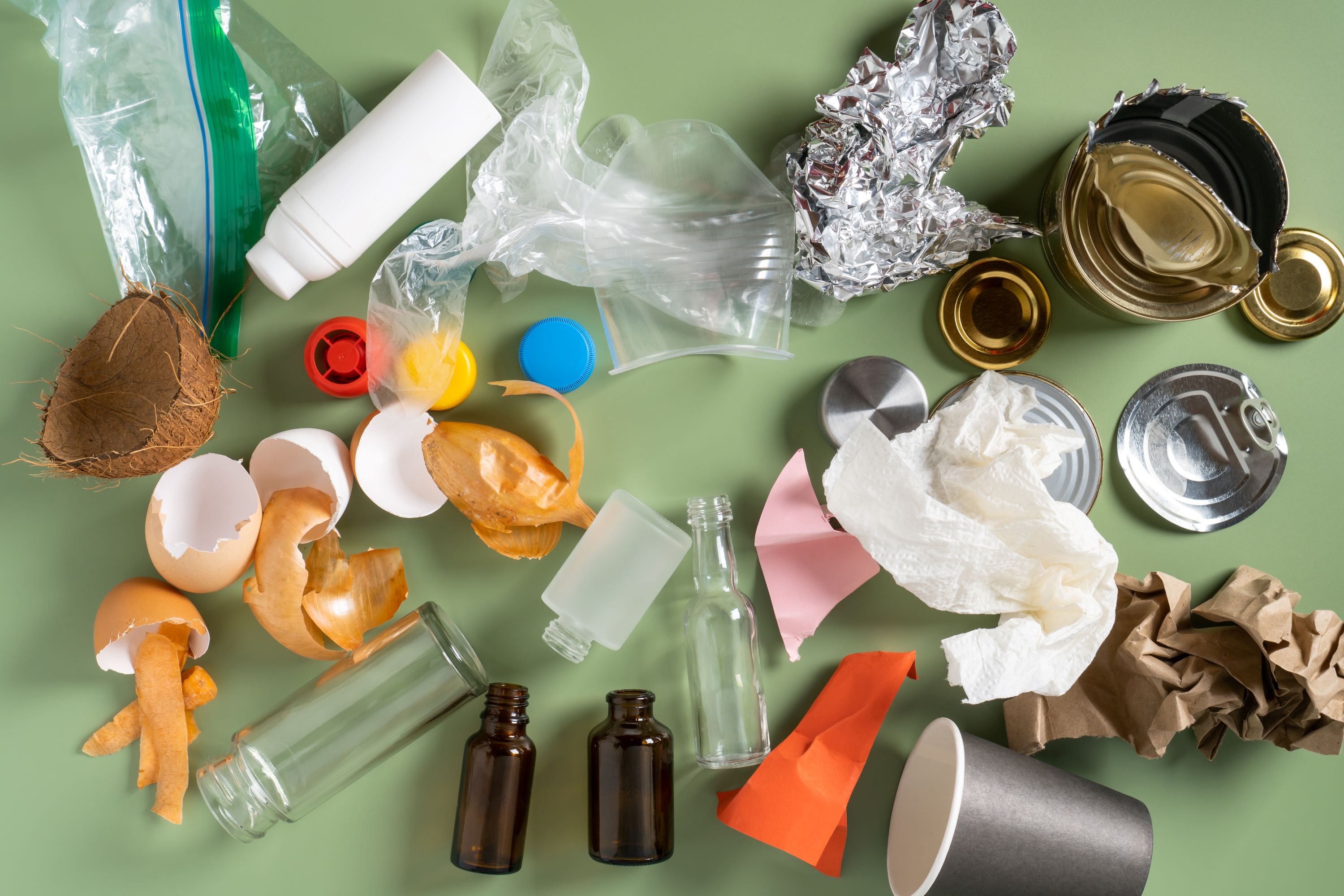
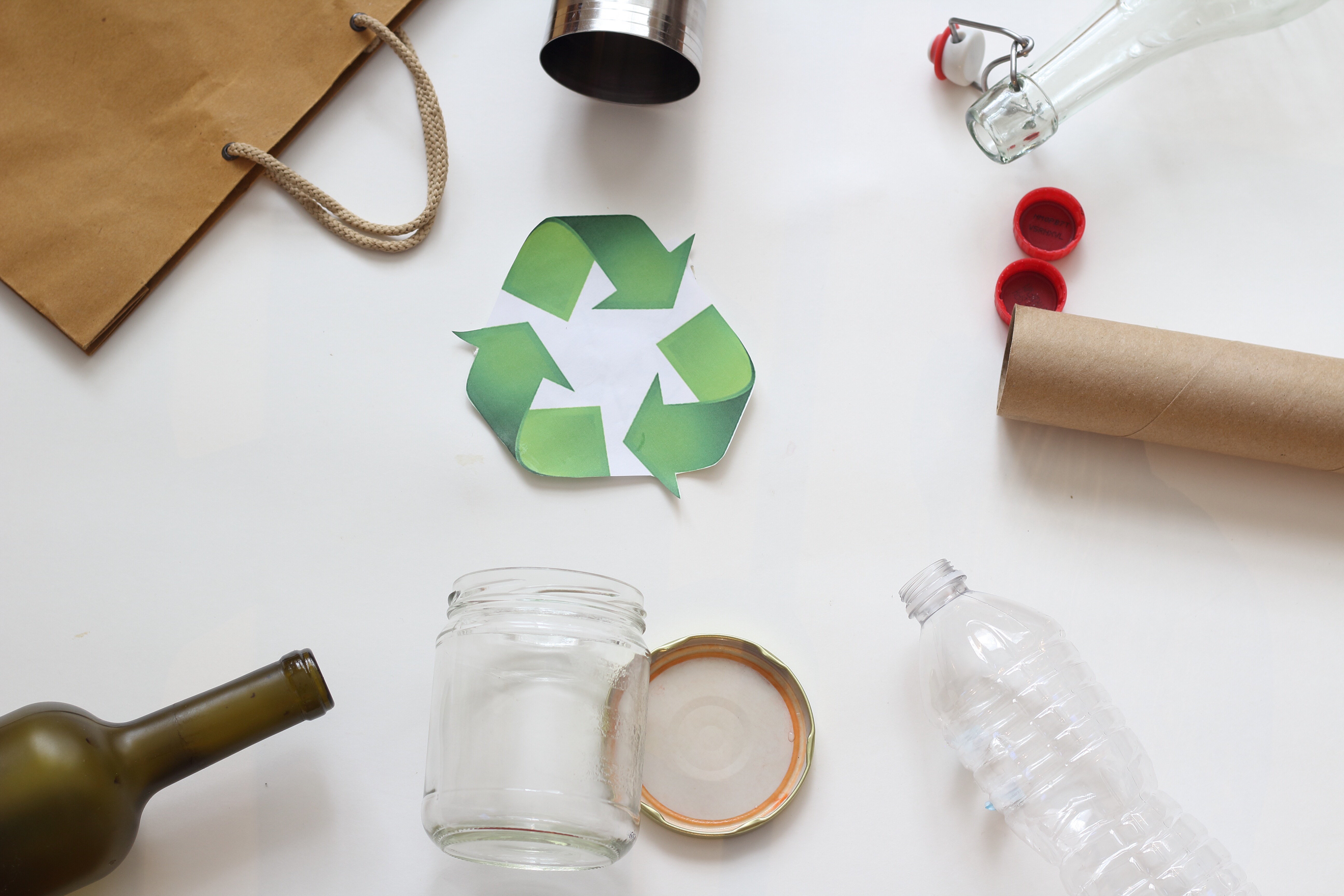
As we enter 2025, mastering household waste disposal is not just a responsible choice but a necessity for a sustainable future. Understanding the different types of waste streams is the first step towards successful household waste management. Waste classification into organic, recyclable, and non-recyclable components sets the foundation for effective disposal techniques. 


What is considered household waste?

The waste produced in households and similar waste produced by businesses is also called municipal waste or Municipal Solid Waste (MSW). Household waste is a diverse category encompassing general, recyclable, and organic waste collected directly at kerbside and back doors or brought to waste collection centres like banks, civic amenity sites, and pay-to-use compactors.

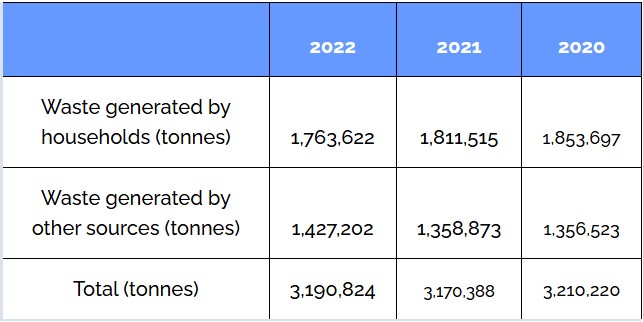
According to Ireland’s Environmental Protection Agency (EPA) last report, in 2021, out of a substantial 1.84 million tonnes of household waste that were generated in the state, 1.81 million tonnes was managed. However, an estimated 25,700 tonnes remained unmanaged, emphasising the need for continued investments in waste management solutions to address this issue.

Although MSW accounts for just around 10% of total waste generated across the EU, it is difficult to manage since it comprises several streams, including general waste, mixed dry recycling, and organic waste, as well as a high number of producers.


Disposing of daily household waste

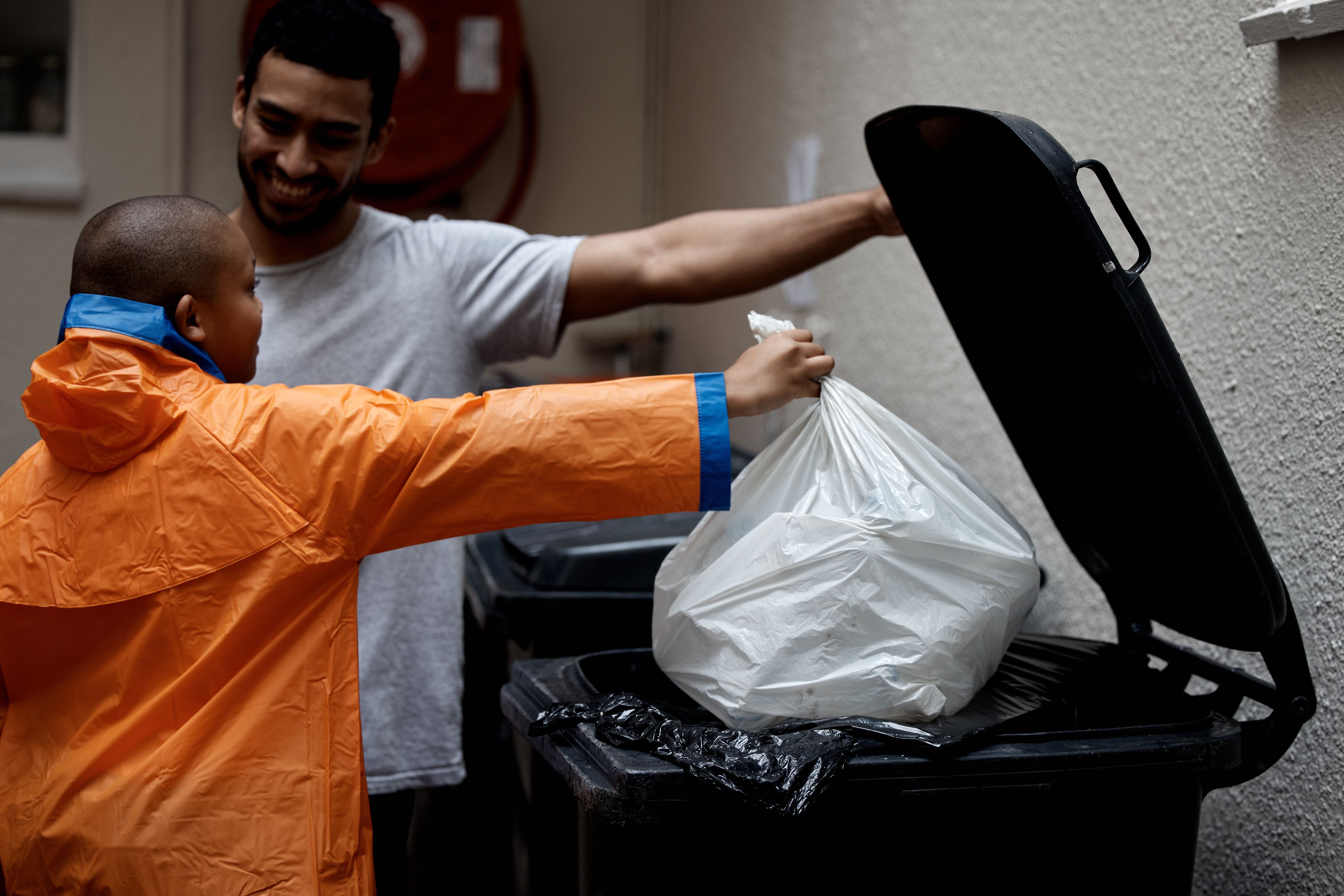
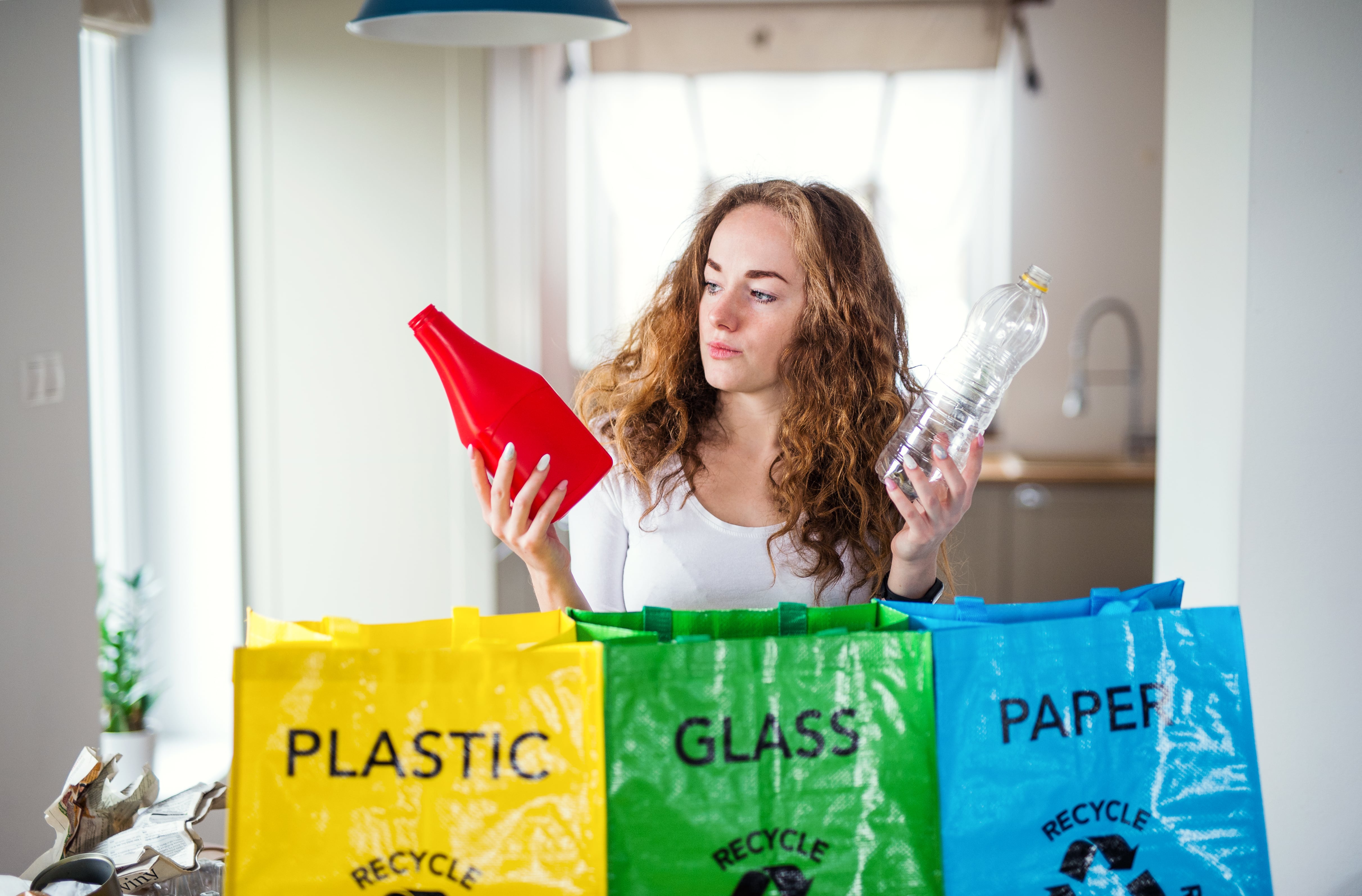
Every household is entitled to a general and a recycling bin from a waste collector. If a customer lives in an area of 500 people or more, they are entitled to general, recycling and organic waste bins. Waste collection providers usually have a colour-coded system for separating household waste. For example, we have black, blue, and brown bins at Barna Recycling.

Even though bins are colour-coded, and customers are provided with information regarding household waste disposal management, contamination of bins is still a big issue, with recent Environmental Protection Agency (EPA) figures indicating that 20% of the material in household recycling bins should not be there, and significant 70% of the material in general waste bins from the commercial sector should be in recycling or organic bins.

This translates into a substantial loss of resource value—a costly oversight for households and businesses. However, proper waste segregation can be the solution to lower waste charges and safeguard investments in local treatment capabilities. 

TIP: Ensure you maximise the space in your bins by breaking down waste before you put it in. This is especially important for the recycling bin. Cardboard boxes and packaging can quickly take up a lot of space, so be sure to break down bulkier items. Remember that overflowing bins or items left out beside your bins may not be taken away. 

**If your bin is overflowing well in advance of your collection day, call the Barna Customer Care Team on 091 771619 to discuss your options.  


How to reduce household waste

household waste disposal and recycling

The journey to waste reduction begins with intentionality. Mindful consumption requires deliberate choices—purchasing only what is needed, prioritising quality over quantity, and avoiding items with excessive packaging. A discerning approach to shopping can curtail waste before it even enters the home.

By addressing waste at its source and adopting sustainable practices, households can become bastions of environmental stewardship. This collective effort safeguards our immediate surroundings and the planet at large, creating a legacy of sustainability for generations to come. Here are a few simple tips to help you get started with waste reduction:

  • Use reusable shopping bags
  • Make a weekly meal plan and shopping list
  • Avoid produce that’s wrapped in plastic
  • Support your local farmer
  • Start composting at home
  • Avoid single-use plastic
  • Replace your soap bottles with bars
  • Buy second hand
  • Switch to digital documents


How to dispose of household hazardous waste?

disposing off hazardous waste

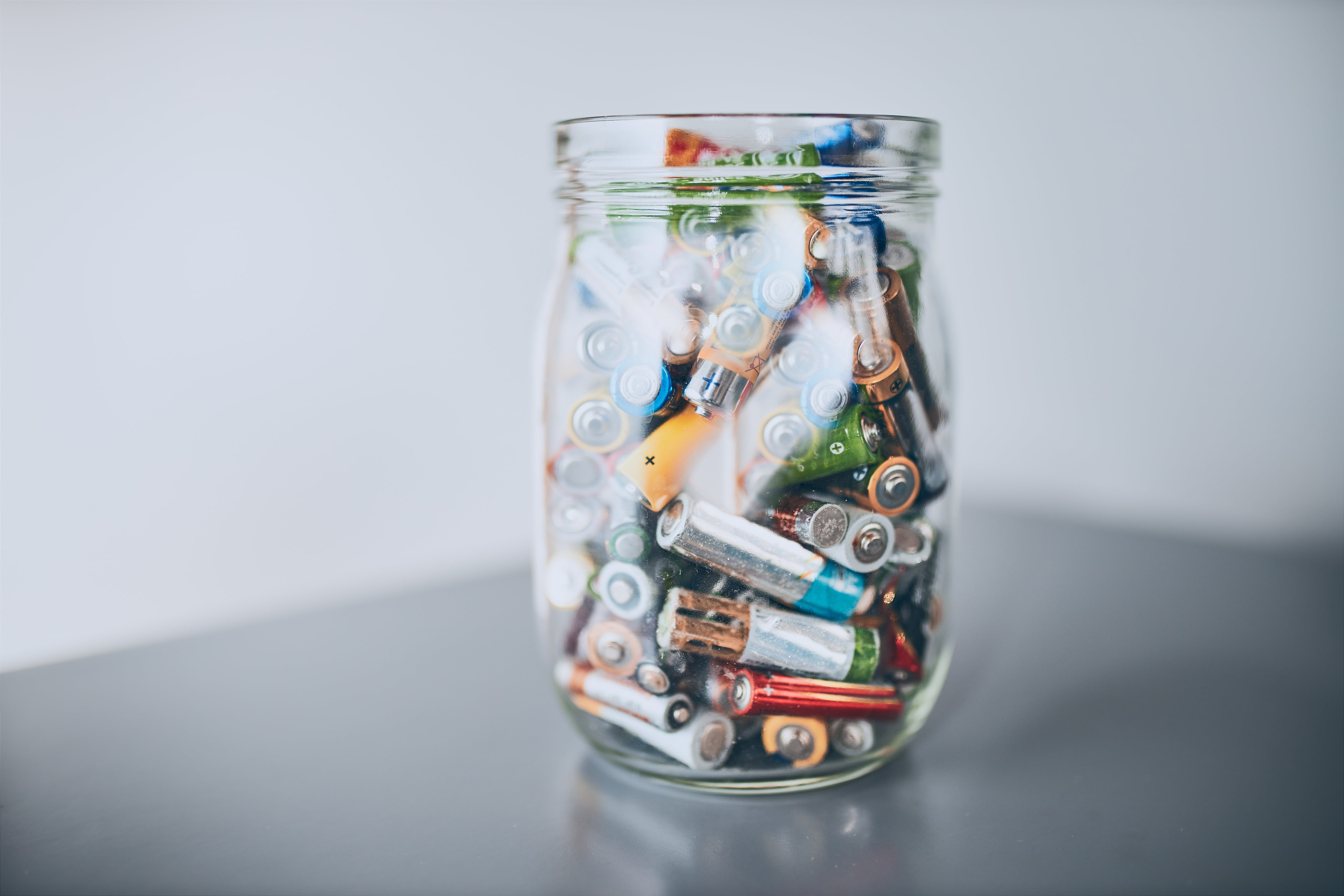
Embarking on the journey of proper household waste disposal begins with a critical first step – the identification of hazardous waste lurking within the confines of your home. Everyday items take on a hazardous identity, the most common being pesticides, batteries, fluorescent light bulbs, paints, solvents, and various cleaning agents. 

The key is not just recognition but the meticulous segregation of these potentially harmful materials. You can either find a local drop-off location like our Civic Amenity Centres – see items accepted – or, depending on the case, bring the item back to the place where it was purchased. You can also check EPA’s guide to hazardous waste prevention.

Some hazardous items include:

  • Waste Paint/ Paint Thinners/ Strippers
  • White Spirit Creosotes
  • Adhesives/Glues
  • Aerosols Waste
  • Antifreeze/Coolants
  • Bleaches
  • Chemicals with Identification Labels
  • Cleaning Agents
  • Detergents
  • Engine Oils
  • Epoxy Resins
  • Herbicides/ Pesticides
  • Medicines
  • Pharmacy Waste
  • Silicones

TIP: Since batteries cannot be disposed of at home, you must bring them back to the place where they were purchased or to a Civic Amenity Site. Electrical items such as chargers also need to be disposed of correctly. They need to be returned to where they were purchased or should be brought to a WEEE drop-off recycling point or your local Civic Amenity Site to be disposed of. Learn more about how to dispose of WEEE the right way


Household waste recycling centres

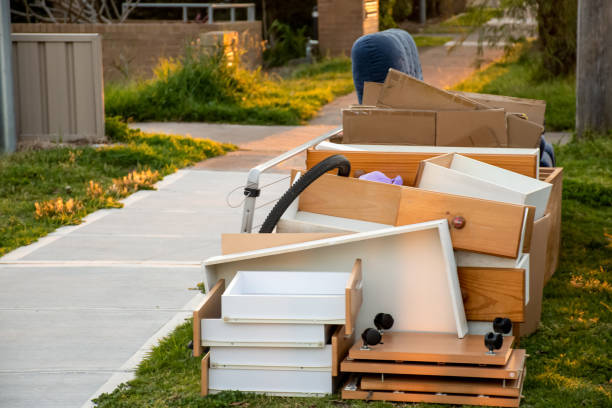
A recycling centre, also known as civic amenity site, is an EPA-licensed drive-in facility fully equipped and designed to recycle a wide range of household products. These facilities take bagged household waste, food waste, and bulky items, such as furniture, for disposal.

Not all types of hazardous waste are accepted in these centres, so for details on the types of waste material accepted and any charges that may apply you should check with the waste collection provider.

You can learn more about Barna Recycling’s Recycling Centres here. 


Ready to master household waste disposal and lower your costs with waste management in 2025?

Mastering household waste disposal in 2025 goes beyond individual actions—it’s about embracing a holistic approach that entails conscious consumer choices, including a waste collection provider that helps you navigate the challenges of waste management for a more sustainable future.

Barna Recycling is Connacht’s leading provider of waste management services, providing a professional, reliable and environmentally friendly service. Join Ireland’s number one environmentally friendly waste collection provider and enjoy the peace of mind that we will recycle what you throw away. 


References:

Household Waste Statistics for Ireland, Environmental Protection Agency. https://www.epa.ie/our-services/monitoring–assessment/waste/national-waste-statistics/household/#:~:text=Household%20waste%20includes%20general%20waste,pay%2Dto%2Duse%20compactors.

A Waste Action Plan for a Circular Economy – Ireland’s National Waste Policy 2020-2025, Government of Ireland. https://www.gov.ie/pdf/?file=https://assets.gov.ie/86647/dcf554a4-0fb7-4d9c-9714-0b1fbe7dbc1a.pdf#page=null

Christmas Recycling Facts & Tips We Bet You Didn’t Know

Christmas is a festive season full of joy and generosity. However, the most wonderful time of the year also comes with a less festive byproduct: waste. Mountains of wrapping paper, packaging, and unwanted decorations find their way to landfills, contributing to a cycle of waste that harms the environment.

In Ireland alone, the disposal of nearly 1 million tonnes of waste over the festive season places immense strain on local waste management systems. Addressing this challenge requires both individual effort and community awareness.

waste collection company


Surprising Christmas Recycling Facts You May Not Know

Here are some interesting Christmas recycling facts you should know:

  • If a household reuses a plastic tree for up to five years, its carbon footprint will be smaller than a household that buys a real tree every year.
  • One ton of recycled Christmas cards can save 15 trees.
  • At Christmas time, we use over 1,100 tonnes of wrapping paper, enough to gift wrap the Spire in Dublin over 10 times.
  • Shiny, metallic wrapping paper and glitter-covered cards are often non-recyclable because they frequently contain plastics and foils that contaminate recycling streams.
  • +30 Million Batteries are sold over Christmas.
  • Over 50% of plastic packaging, including toy boxes and food containers, remains unrecycled each Christmas.


Barna Recycling’s Top Tips To Reduce Waste This Holiday Season

  1. Recycle Your Christmas Tree

christmas recycling

Real Christmas trees can easily be recycled or shredded into chippings and used in parkland areas. Artificial Christmas trees cannot be recycled but can be reused and donated to family, friends, or a local charity shop. If these are not possible, another alternative would be to bring your artificial Christmas trees to a civic amenity site to dispose of. Find your nearest civic amenity site here.

Where to Recycle Christmas Trees?

An artificial Christmas tree is seen as a bulky waste item. It can be brought to your local civic amenity site (except our civic amenity site in Clifden) to be disposed of. Our civic amenity sites will also accept real Christmas trees. Find out more ways on how you can recycle or replant your Christmas tree.


  1. Upcycle Old Christmas Decorations with Creativity

reduce reuse and recycle decorations at home

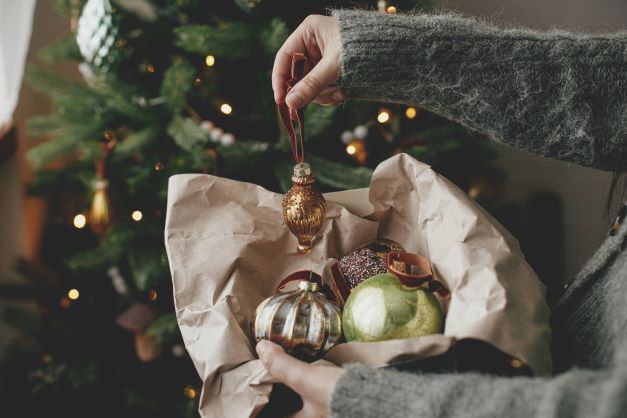
Recycling Christmas decorations is another effective way of reducing waste. When taking down your decorations, some items may be broken and need to be disposed of. Often items that are deemed to be single-use items can be used again, so before you dispose of everything, take a minute to think if this could be used again next year. It is best to sort through your decorations as you are taking them down. 

You can also embrace the beauty of sustainability by choosing decorations that can be reused year after year. Invest in timeless pieces made from durable materials, reducing the need for constant repurchase. When the time comes to refresh your decor, ensure that the materials are recyclable, contributing to a cyclical and eco-conscious festive aesthetic.


  1. Mindful Gifting & Christmas Cards

Barna recycling

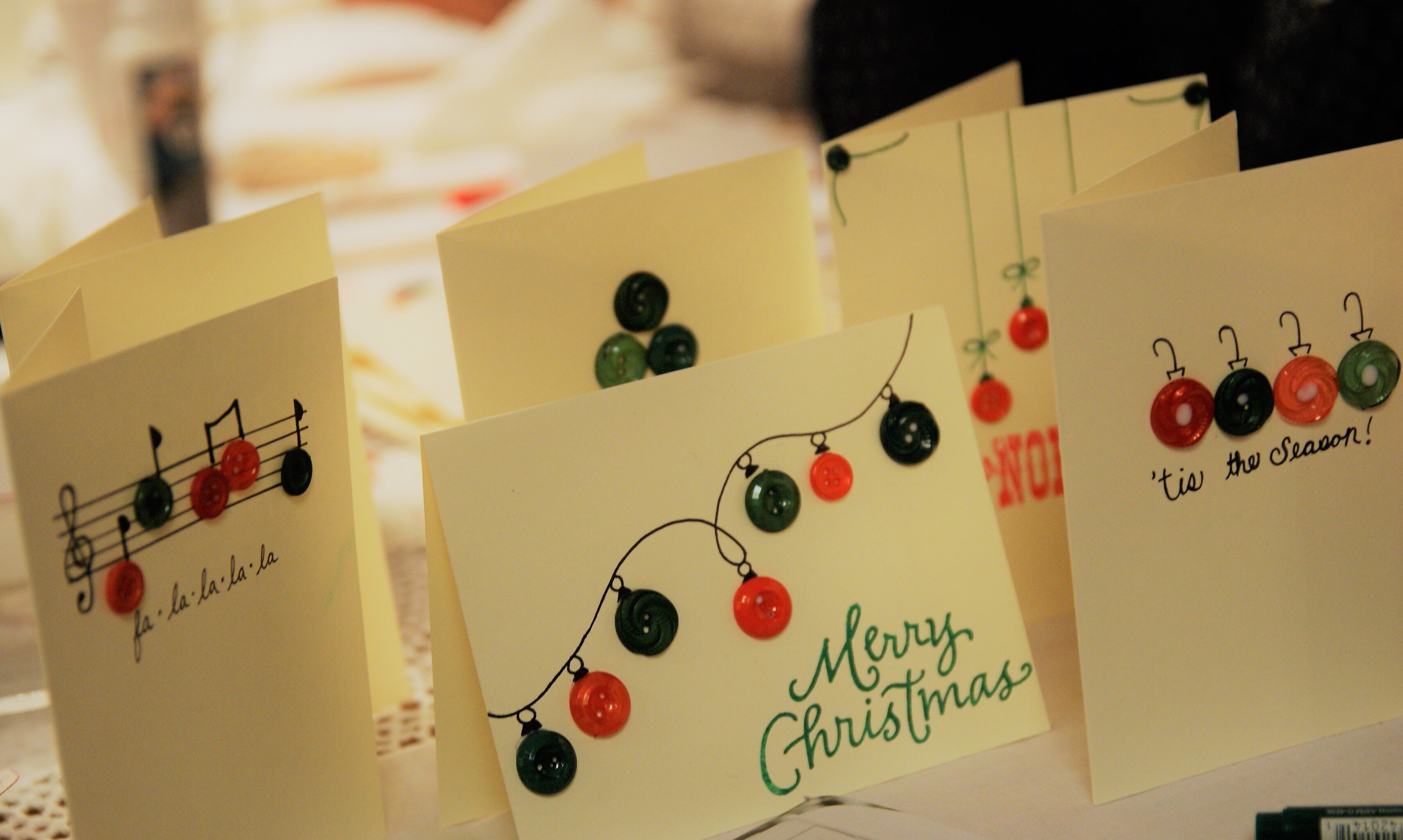
In the quest for the perfect present and Christmas cards, consider options with a minimal ecological impact. Opt for items made from recycled materials and sustainable resources. Another way to reduce waste is by recycling your Christmas cards. It is safe to place the holiday cards you received in your home recycling bin. Any plastic, paper or cardboard design materials are recyclable. However, these may not be recyclable if the card contains glitter or any bulky designs. 

Plan gift-giving wisely and avoid excessive packaging by opting for experience-based gifts like vouchers or memberships, which come with minimal material waste.


  1. Saving on Wrapping paper

Try and save any reusable pieces of wrapping paper and store them safely for next year. Save any gift bags that can be used again next year too. But be sure to take off any name tags from the bag! 

Besides, ditching traditional wrapping paper in favour of recyclable alternatives like brown kraft paper, fabric wraps, or even old newspapers allows you to explore eco-friendly alternatives. Cloth wraps, reusable gift bags, or even repurposed newspapers can add a touch of creativity while minimising the environmental strain of single-use wrapping paper. Elevate your gift presentation without compromising on sustainability.


EXTRA TIP: Keep An Eye For Batteries and Chargers

Batteries and chargers are considered hazardous waste but are still important components for controllers and children’s toys. Since they cannot be disposed of at home, you must bring them back to where they were purchased or to a civic amenity site. Electrical items such as chargers also need to be disposed of correctly. They need to be returned to where they were purchased or brought to a WEEE drop-off recycling point or your local Civic Amenity Site to be disposed of. Click here for more information on how to dispose of WEEE the right way.


Using Your Household Bins To Dispose of Your Christmas Waste

Boxes

Ensure you maximise the space in your bins by breaking down waste before you put it in. This is especially important for the recycling bin. Cardboard boxes and packaging can quickly take up a lot of space, so be sure to break down bulkier items. Remember that overflowing bins or items left out beside your bins may not be taken away.

As a safety precaution, we always advise our customers not to leave boxes of expensive items beside their bins, such as new TVs or game consoles, as this may encourage theft. If you do not have space for such boxes, bring them to your local civic amenity site or store them in a shed or garage until you have sufficient room to put them in your bin.


Christmas Cards and Wrapping Paper

When disposing of wrapping paper, the most important thing is to note that not all paper is recyclable. Any wrapping paper containing glitter, foil, or tape will have to go in the waste bin. Similarly, for Christmas cards with excess glitter, ribbons or homemade cards that contain glue must go in the general waste bin. In the case of ribbons, you can also save it and reuse it again for wrapping presents next year.


Christmas Decorations

Items such as tinsel that can’t be used again can be placed in the general waste bin. Fresh wreaths can be put into your compost bin once you take off any non-compostable materials. Broken glass baubles need to be brought to the bottle bank, and lights and electrical appliances that no longer work can be brought to a WEE disposal site. Please note that any electrical items that contain a battery must also have the batteries removed before being disposed of or for safety reasons. Any decorations wholly made of metal should be brought to your local civic amenity site.


If your bin is overflowing well in advance of your collection day, call the Barna Customer Care Team on 091 771619 to discuss your options.


Lower Your Costs With Waste Management In 2025

Barna Recycling is Connacht’s leading provider of waste management services, providing a professional, reliable, and environmentally friendly service. Join Ireland’s number one environmentally friendly waste collection provider and enjoy the peace of mind that we will recycle what you throw away.

How Technology Can Help You Reduce Waste

waste reduction using technology

From food waste to single-use products, the need for adopting more sustainable practices has become even clearer with all the environmental challenges we’ve faced in the past years. 

Like in other aspects of our daily lives, technology has played an important role in helping people become more conscious regarding waste disposal. Waste reduction apps are emerging as powerful tools for individuals and communities to minimise waste generation, promote recycling, and adopt more sustainable practices. More than only making waste reduction more accessible, these digital solutions also encourage a shift in mindset towards responsible consumption.

Let’s look into the apps making waves in waste reduction, showing how simple technology can catalyse significant environmental change.


Top Waste Reduction Apps and How They Work

From food to household items,  the vast array of waste-reducing apps available can help users tackle various forms of waste in daily life.

Apps for Food Waste Reduction

Food waste is a major contributor to landfills, and two leading apps are addressing this issue with innovative approaches.

  • Too Good To Go: On this app, restaurants, cafes, and bakeries list leftover food that would otherwise be thrown away. Users can then browse the map for food near them and pick up a ‘magic bag’ for a fraction of the original retail cost. You can register for free and specify your dietary requirements.
  • Olio: Designed to foster a local sharing economy through community sharing as the app lets users offer surplus food and household items to neighbours. By fostering a local sharing economy, Olio helps households minimise waste.

Apps for Secondhand Shopping and Reuse

Encouraging a circular economy, these apps connect individuals to give used items a second life.

  • Depop: Popular among young consumers, Depop is a fashion resale app where users buy and sell secondhand clothing. By reducing the demand for new fashion production, Depop aids in cutting down the carbon footprint associated with the industry.
  • Nuw: Founded by Irish entrepreneur Aisling Byrne, Nuw turns fashion into a currency: you upload an item, earn coins, and use these coins to redeem a “nuw” piece.


Benefits of Using Waste Reduction Apps

waste reduction mobile app

The positive impact of waste reduction apps extends beyond environmental benefits; they also provide economic and educational advantages.

When waste is minimised, there’s less need for new resources, leading to a more sustainable environment. Moreover, some waste reduction apps save consumers and businesses money by providing discounted surplus goods or encouraging the reuse of items. 

Waste reduction apps also empower consumers by providing knowledge on sustainable practices. Through app notifications, tips, and interactive features, consumers become more informed about environmental issues and motivated to make eco-friendly choices daily.


Take an Important Step Towards Sustainability

Barna Recycling is Connacht’s leading provider of waste management services, always providing a professional, reliable, and environmentally friendly service. All this ensures that customers enjoy the peace of mind that we will recycle what they throw away, lowering the cost to our customers and the environment.

Our household mobile app helps our customers optimise their waste disposal, offering numerous benefits and key features that go beyond simply allowing them to see their bin collection history.

Not a Barna Recycling customer yet? Join today and partner with your number one environmentally friendly waste collection provider.

Barna’s Guide To Sorting All Types of Domestic Waste

waste management

Decluttering your home during any season can be a daunting task, especially when you’re not sure how or where to dispose of the different types of domestic waste.

From clearing out the massive mess in the shed, old clutter in the attic, sorting through unused clothing, old blankets, bedding and old books, there is no better time than NOW now to deep clean your home inside and outside.
 
Experience a seamless and stress-free clear-out with Barna Recycling’s top tips to help you understand what to do with the different types of domestic waste from your home clear-out. 


Understanding the Types of Waste Accumulated at Home

Efficient waste sorting is key for responsible disposal. It not only streamlines the process but also contributes significantly to environmental conservation.

General Household Waste

General household waste spans a broad spectrum, from everyday disposables to non-recyclable plastics. Recognising and categorising this waste is the first step in crafting an effective sorting strategy. If you are struggling to understand what plastics are(n’t) recyclable, you can check out our blog: Steps to Follow when Disposing of Plastic Packaging Waste

Hazardous Materials

Hazardous items can hide undiscovered among the many types of domestic waste. These pose a substantial risk to both human health and the environment. Identifying and safely disposing of such materials is imperative during clear-outs. It is always a good idea to cross-reference Barna’s colour bin guide to understand what waste items should be disposed of in your blue, black or brown bins!

Electronic Waste

The digital age has given rise to a new challenge – electronic waste. Understanding the components of electronic devices and their potential environmental impact is critical for correct and safe disposal. Read our blog on electronic waste to learn more about responsibly disposing of waste electrical and electronic equipment (WEEE).


Domestic Waste Disposal Solutions: The 3 C’s

If you are confused about where to start with your domestic waste disposal and what the correct disposal solutions are, it is useful to create a list that will act as a step-by-step guide to clearing out your home! To better remember the necessary steps for correct waste disposal during your home clean-out, remember to check Barna’s 3 C’s off your list: 1) Colour-coding 2) Civic Amenity Site 3) Compositing

waste management ireland

  1. Colour-Coding: Make Correct, Responsible Use of The Designated Bins

Correctly sorting your household disposal and using the designated bins for the different types of domestic waste is the first step to ensure an effective home clear-out. Ensure you separate hazardous materials and electronic waste. 

Not sure about what goes in Barna’s brown, blue or black bin? See what goes in each Barna Recycling bin.


  1. Civic Amenity Sites: Utilise Your Local Recycling Centres

Collaborating with local recycling centres facilitates the responsible disposal of recyclable materials. Barna Recycling’s purpose-built Civic Amenity Sites can assist you greatly when clearing out your home. With seven civic amenity sites across Connacht, we collect a large variety of non-hazardous and recyclable household waste at a reduced cost.

Here are some of the benefits of using one of Barna Recycling’s civic amenity sites.

  • They are cost-effective and cheap to use.
  • Accept a wide range of items, including hazardous materials.
  • They are clean, local, and easily accessible.
  • Open on weekends to make them more accessible to all.
  • They are well laid out and marked for each waste material.
  • Cater for small and large deliveries in the exact location.
  • Provide WEEE and Glass Bottle services free of charge.
  • Cater for small and large deliveries in the exact location.


  1. Composting: Practise Better Organic Waste Management Habits

Integrating composting into household waste management significantly reduces the environmental impact of organic waste. Composting not only diverts waste from landfills but also produces nutrient-rich compost for soil enrichment. Check out Barna’s useful blog to guide you through better Ways To Recycle Food Waste.


More on Barna Recycling’s Sites: Types of Domestic Waste We Accept

Old Blankets, Bedding & Mattresses: Some of our civic amenity sites will also accept any type of clothing, footwear and textiles, however, an extra charge will apply for disposing of bedding and mattresses.
 
Books: As a rule of thumb, books should be placed in the household recycling bin, however, if you have a large volume of old books, phone books, newspapers, and magazines, you can dispose of them at some of our local civic amenity sites.
 
Electrical Items: You can bring unwanted electrical waste, more commonly known as WEEE (Waste Electrical and Electronic Equipment), such as Computers, Monitors, Mobile Phones, Electronic Toys, Game consoles, Speakers, Headphones and electrical appliances to your local amenity site to dispose of such items free of charge.


Old Swing Sets & Garden Furniture: If you have an old garden swing or garden furniture still in working condition, you could consider selling it, passing it on to someone else or donating it to local charity shops. If they require disposal because they are no longer fit for purpose, you can bring them to your nearest local civic amenity site. Most wood, metal, and plastic furniture are all widely accepted and recycled at civic amenity sites. Read our blog on bulk waste disposal.

Remember that the household waste byelaws in Ireland oblige every household to use a waste collector or regularly use a civic amenity site or recycling centre.

Need more information on where to dispose of certain items or order a skip? Give us a call today at 091 771619 or fill in our Contact Us form.

Barna’s Moving Day Tips: Disposing of Rubbish When Moving In/Out of Your Student Accommodation

Moving Day Tips Barna Recycling

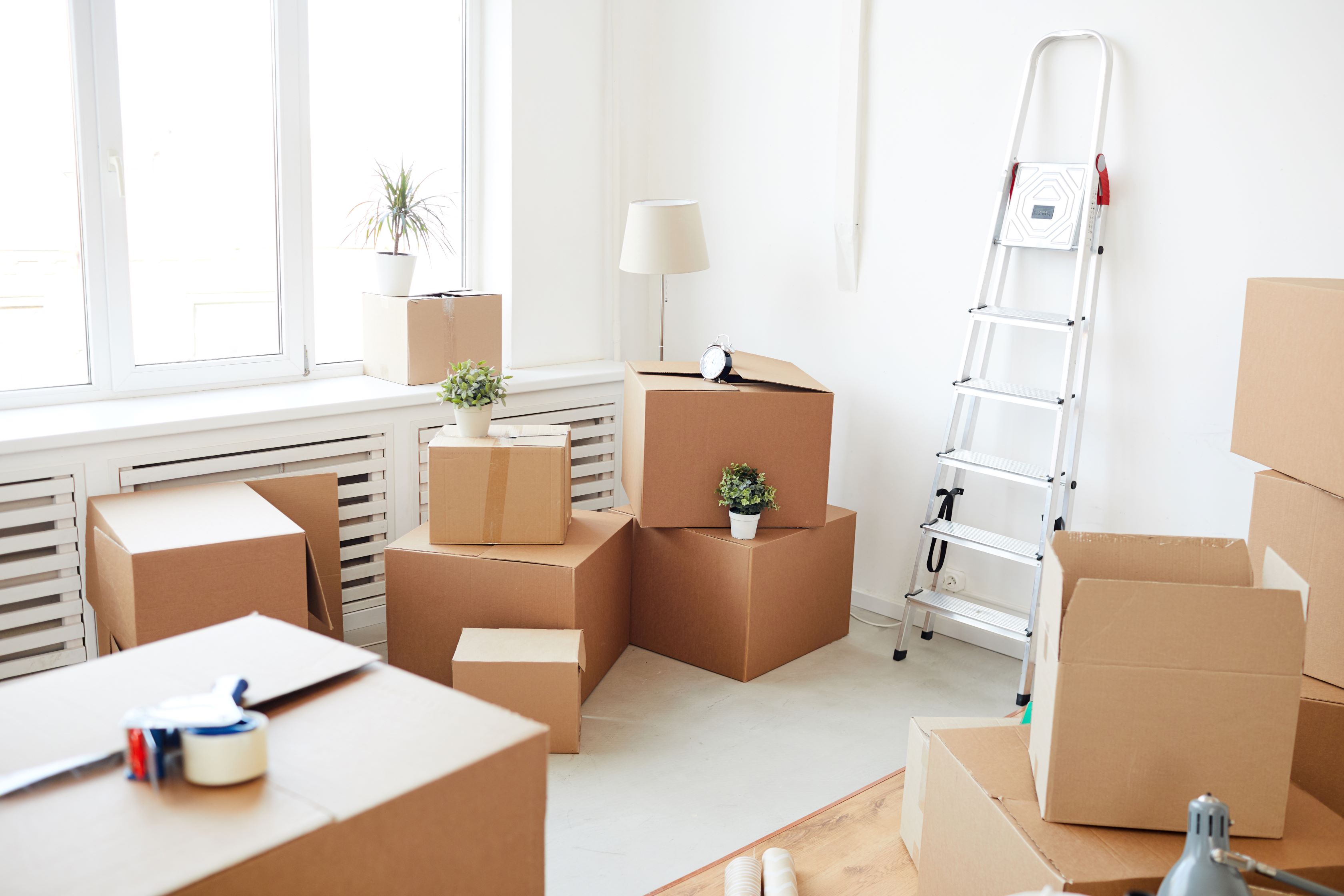
As the summer holidays draw to an end this August, students are getting ready to head back to college and university. At Barna Recycling, we know that moving into rented student accommodation can be a tough task when faced with the disposing of old books, electronic waste disposal and other bulky items from previous years, which are no longer of use to you as you begin the new academic year, modules and subjects. When students break for summer, they often bring back unnecessary items and waste that will never be used again. It’s advisable to do a complete clear-out of your student accommodation before moving out day and before breaking for the summer season. If you did not tackle this task at the time, we definitely recommend sorting through the waste that you brought home at the end of the precious academic year before your upcoming ‘student moving in day’ to avoid more waste accumulation.

We understand that disposing of rubbish can be confusing, especially for a student who is unsure of the correct disposal methods. To be sure you are disposing of exam papers, disposing of study notes you no longer need and disposing of old books correctly can be daunting. 

To make your next moving day hassle-free, we have compiled some top tips for students and parents. Barna’s moving day tips will not only help you dispose of your waste properly, but they will also make the process quicker and more efficient, ensuring that you are disposing of rubbish in an eco-friendly, stress-free manner.


What Moving Day Tips can I Refer to When Disposing of my Rubbish?

When clearing out your rubbish in preparation for moving day, it is difficult to know which waste items would go into your waste bins and what shouldn’t. Ensure you are only moving essential items into your student accommodation so that the task of moving out is made much easier months down the line. Check out our valuable tips for students and parents.

Barna’s Moving Day Tips For Students

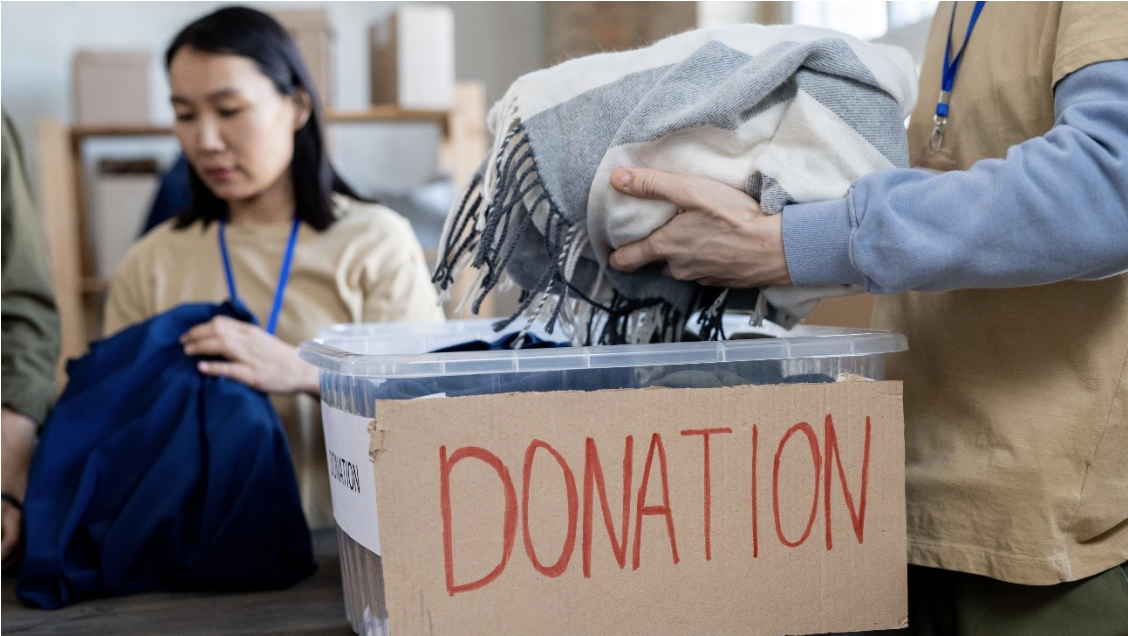
Disposing of Clothes, Bedding & Mattresses: Any type of old clothing, footwear, textiles (including blankets in unusable condition) can be brought to your local civic amenity sites to be disposed of at a reduced rate. Alternatively, clothes that you no longer want but are still in usable condition, can be given to siblings and friends, brought to a charity shop, or brought to your nearest clothes bank… but do not ‘store’ them in your student accommodation – if you will not be wearing them, dispose of them!

Electronic Waste Disposal: Electrical waste, more commonly known as WEEE (Waste Electrical and Electronic Equipment) may include unwanted items such as computers, monitors, mobile phones, game consoles, speakers, headphones… the list goes on for students! Thanks to the ease of access to local civic amenity sites, electronic waste disposal has never been made easier, and you can locate your nearest site HERE.

Disposing of old books & papers: If you have old college books in good condition, you can donate them to the college library or request the student’s union to sell them on your behalf. Alternatively, you can pass them on to someone who has signed up to do the same course/subject in the upcoming academic year. If the books can’t be reused, you can dispose of old books in your household recycling bin. For large volumes that cannot be reused, you can also dispose of old books & papers at your local civic amenity site, as recommended by MyWaste (2024).


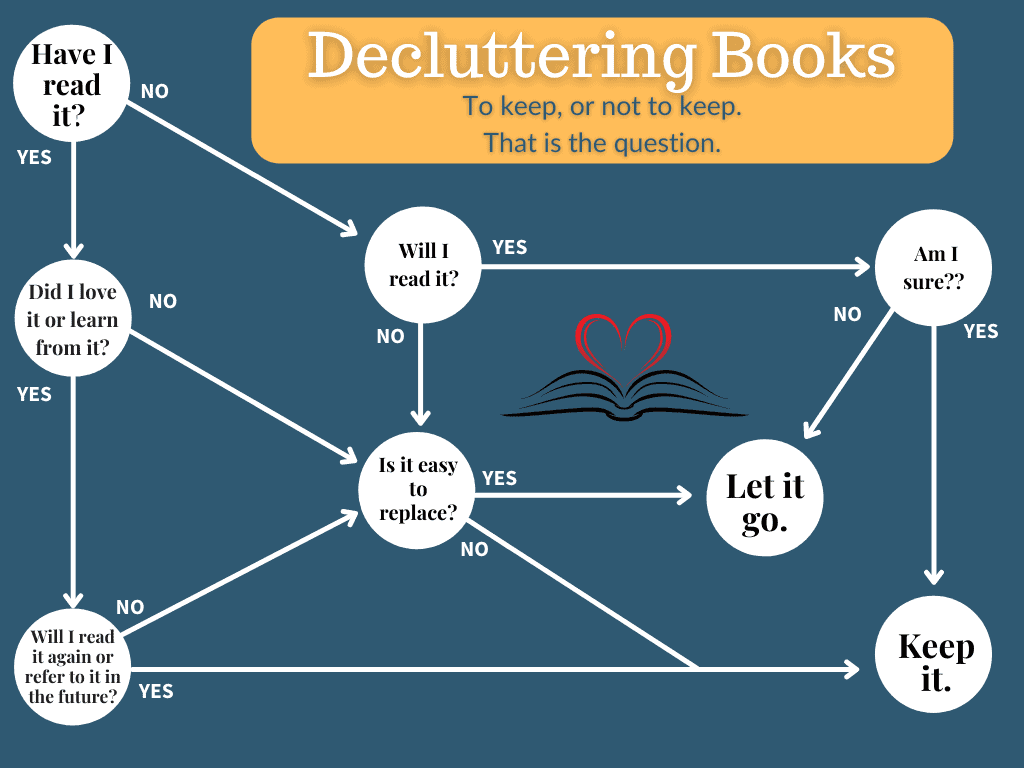
Disposing of Old Books: When to Keep Them, When To Let Go

At the beginning of an academic year, you may be struggling to decide what books, papers and notes you should keep for the future, and which of these will no longer serve you purpose. Check out the diagram below from Life With Less Mess to help you understand if disposing of old books & papers is the best next course of action to take.

Moving Day Tips: How Parents Can Help?

Mum or dad – If you are charged with helping your child clear out their waste before beginning a new academic year and moving into their student accommodation on moving day, get ready to practise patience. You both share a common goal when tackling the moving day process…that is for it to be as stress-free as possible! Here’s some of Barna’s Moving day tips to ensure the move is made as easy and as eco-friendly as possible.

  • Facilitate Decisions: Help them to decide what items they want to keep and what needs to be thrown out (referring back to the Life With Less Mess diagram above will be helpful).
  • Separating Rubbish: Have a rubbish bag prepared for general waste and one for recycling.
  • Get Strict: Clarify what your child wants to do with the bulky items first. Are they being dumped or recycled? Bulky items may include bed clothes, stereos, kettles and any other items that would otherwise take up lots of car space and/or space in the family home. This is the time to get strict!
  • Think Green: Encourage your child to recycle or sell on any old books, notes, clothes, electronics or other useful items before the moving in date.
  • Ask The Questions: Many charities often partner with colleges and universities to establish collection points or van pickups, so be sure to put on your parent cap and enquire about such services before beginning the moving day process.


Take Advantage of Your Local Civic Amenity Site for Electronic Waste Disposal and Other Bulky Waste

Barna Recycling’s purpose-built Civic Amenity Sites will assist you greatly when moving out of your family home and into your student home. We have seven civic amenity sites across Connacht for your convenience, where you can dispose of a large variety of non-hazardous and recyclable household waste at a reduced cost. Visit our website to find out where your nearest recycling centres might be located. Our civic amenity sites may be just what you are looking for if you are a student moving out of your family home and into new student accommodation, getting ready for the disposing of old books or wondering how you are going to manage your bulky electronic waste disposal.

 Here are some of the benefits of using one of our civic amenity sites:

  • They are cost-effective and cheap to use.
  • Accept a wide range of items, including hazardous materials.
  • They are clean, local, and easily accessible.
  • Open on weekends to make them more accessible to all.
  • They are well laid out and marked for each waste material.
  • Cater for small and large deliveries in the exact location.
  • Provide WEEE and Glass Bottle services free of charge.
  • Cater for small and large deliveries in the exact location.

The items accepted will vary for each of our civic amenity sites. Please be sure to call us in advance or check our website for the complete list of items accepted at your nearest centre. The charges for the items you bring to the respective civic amenity centre will be based on the type of vehicle you have, not the quantity or weight of the waste items themselves.


Still Worrying About Waste Disposal onMoving Day’?

Our Barna Recycling team are always on hand at our civic amenity sites to greet you on arrival, assist you with drop-offs, and provide you with advice and information about recycling and waste disposal. 

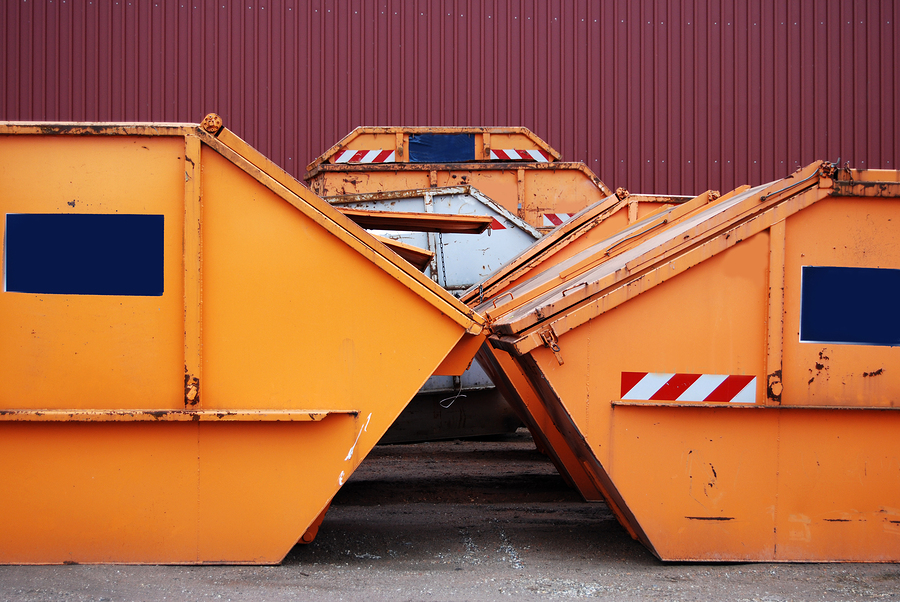
Alternatively, you can choose to hire a skip, which also makes the disposing of rubbish much quicker and easier. At Barna Recycling, we have skips of all sizes for all purposes, so you can be sure we will have one to suit your needs and requirements – have a look at our helpful skip sizing guide here for more information.

Don’t let unnecessary waste and clutter bog you down during your new move. Let us help you make your moving day a breeze with our expert advice and guidance so that commencing your new academic year feels clean and green. If you would like more information on where to dispose of certain items or order a skip, give us a call today on 091 771619.

Best Ways to Get Rid of Garden Waste in Ireland (Everything You Need to Know)

garden waste clearance

Summer is here, and it’s the perfect time to tidy up your garden and outdoor spaces. Ireland is currently experiencing a prolonged period of warm weather, with temperatures reaching up to 25°C in some areas. This “mini-heatwave,” as described by Met Éireann, is expected to last for a good few days, bringing sunny conditions and minimal rainfall.

This extended dry spell has implications for garden maintenance and waste disposal. Gardeners are advised to conserve water due to very low soil moisture levels, which could affect plant health. Additionally, the dry conditions increase the risk of fires, making it crucial to dispose of garden waste responsibly and avoid burning debris. So, whether you’re trimming hedges, mowing the lawn, or clearing out dead plants, knowing how to dispose of garden waste responsibly is key.

With the warm weather encouraging outdoor activities, it’s an ideal time to address garden waste. In this guide, we’ll explain the best ways to get rid of garden waste in Ireland, from where to recycle it to whether you can use your black bin for garden waste. A clean, organised garden not only looks great but also enhances your outdoor enjoyment.

Read on to discover how to manage your garden waste sustainably while keeping your outdoor space tidy and eco-friendly.


What is ‘Green’ Garden Waste?

The term “green” garden waste refers to organic materials generated from routine maintenance activities. Proper garden waste management is not only necessary for a well-kept landscape, but it’s also a contributor to environmental sustainability. ‘Green’ garden waste is biodegradable, which means that it can be broken down by natural processes, and consists of:

  • Plant trimmings and pruning
  • Lawn clippings
  • Leaves and twigs
  • Flower cuttings and deadheads
  • Vegetable and fruit scraps

Recycling garden waste in the right way provides numerous benefits, including:

  1. Producing compost, a valuable fertiliser for your garden.
  2. Reducing disposal costs while creating useful products.
  3. Minimising waste that would otherwise be sent to landfill.

However, some items need special disposal methods as they can’t be composted or recycled in the same way:

  • Stones or gravel
  • Concrete
  • Dirt or rocks
  • Animal waste
  • Treated or painted wood
  • Glass
  • Metal
  • Soil


Best Ways to Get Rid of Each Type of Garden Waste


Green Garden Waste Disposal and Where to Recycle Garden Waste

Understanding and effectively managing green garden waste is crucial for maintaining a healthy garden and promoting environmental sustainability. If you’re looking to manage your green garden waste effectively, there are several options available:

  • Composting at home is one of the best ways to get rid of garden waste. By composting at home, you can transform organic waste into nutrient-rich compost, perfect for your garden. Here is a helpful guide to get you started on composting.
  • Grass Recycling. When mowing your lawn, you can leave the grass clippings on the ground to decompose naturally. Once on the ground, these break down quickly, returning nutrients like nitrogen back to the soil.
  • Brown Bin. In most areas of Ireland, green garden waste can be placed in your brown bin for collection. Check our guide to organic waste management for more details on what can go in your brown bin.
  • Civic Amenity Sites. Alternatively, you can bring large volumes of your green garden waste to our Ballinasloe, Carrowbrowne and Cartrontroy Athlone recycling centres.


Garden Chemicals & Liquids Waste Clearance

best ways to get rid of garden waste disposal

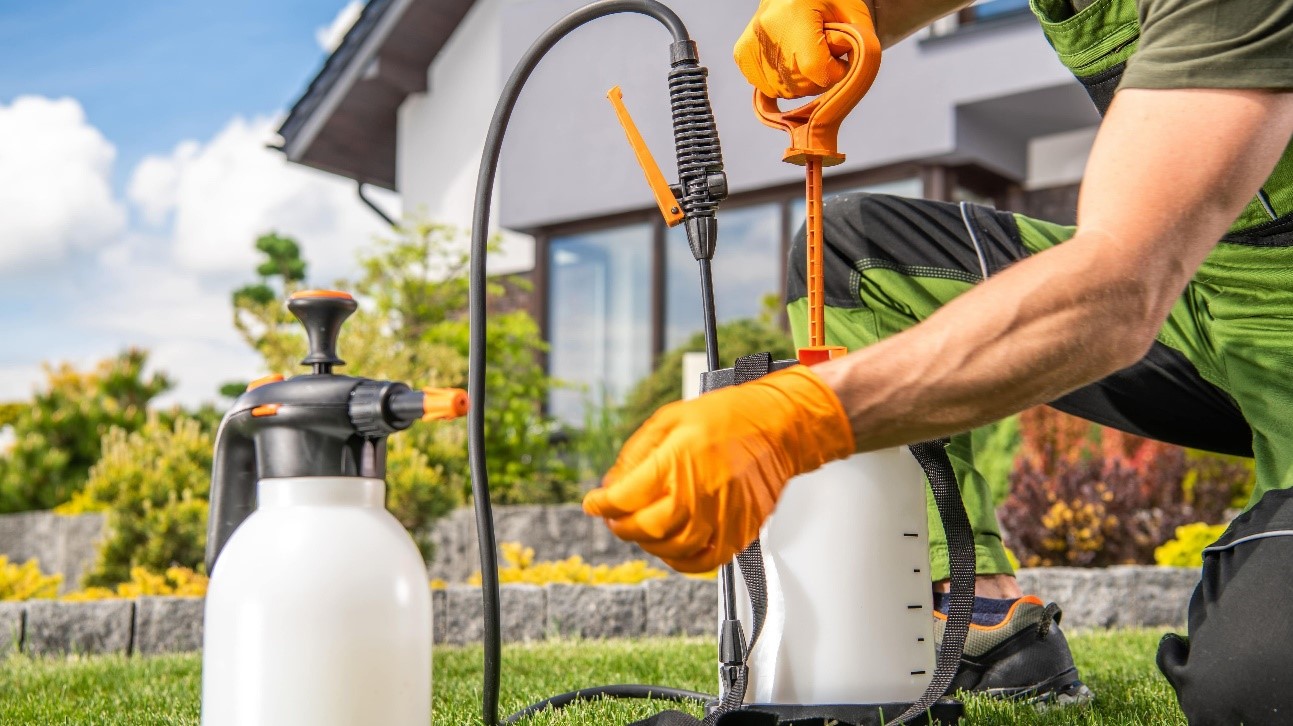
Garden chemicals and liquid waste include weed killers, petrol/fuel for your lawnmower, pesticides and herbicides, fertilisers, and some plant foods. It is essential to store and dispose of these items correctly since some can be hazardous and harmful to the environment. Always follow the instructions on the product label. Here are some key tips:

  • Always try to use Garden Chemicals in full as opposed to having to dispose of leftovers. Be sure to get in-store advice on how much you need beforehand so that you are only buying as much as you need and not overstocking/overusing.
  • While purchasing these items, consider the recyclability of the packaging and see if environmentally friendly alternatives are available.
  • When storing these items, be sure to retain all original packaging and labelling, so you are aware of any expiry or use-by dates. This will assist in disposing of the item correctly.
  • ALWAYS remember that liquids of any kind should NOT be included in your general waste bin.
  • ALWAYS remember NOT to mix chemicals for disposal under any circumstances, no matter how small the quantity. This can lead to the emission of toxic gases, which can be highly lethal and could lead to hospitalisation.
  • Alternatively, you can also check with your local civic amenity sites to see if they accept chemical items as part of their hazardous waste services. Please be sure to check our website for the complete list of items accepted at your nearest centre.
  • If the civic amenity site cannot take the item, contact a specialist hazardous waste company that may collect the item from you directly.

Note: Always avoid putting garden chemicals in your general waste bin.


Disposal of Old Garden Furniture and Swing Sets

If you have old garden furniture or a swing set, there are a couple of disposal options available:

  • Reuse or Donate: If the furniture is in good condition, consider selling or donating it to charity shops.
  • Recycle at Civic Amenity Sites: Many civic amenity sites accept wood, metal, and plastic furniture, recycling them responsibly.

Check out Barna Recycling’s list of civic amenity sites here.


Why Hiring a Garden Waste Skip Is a Great Option

When clearing large volumes of garden waste or undertaking significant garden renovations, renting a garden waste skip might be your best option. A garden waste skip will allow you to dispose of waste quickly and efficiently without having to make multiple trips to a recycling centre.

At Barna Recycling, we offer a variety of skip sizes to suit your needs. Whether you’re clearing debris, hedge trimmings, or soil, we’ve got you covered. For more information, call our skip team on 091-771619 or visit our website to book your skip today.


Say Goodbye to Clutter with Barna Recycling

Recycling garden waste materials promotes sustainability and reduces landfill waste. Utilising Barna Recycling’s civic amenity sites and applying our top tips on the best ways to get rid of garden waste can ensure responsible waste management while promoting environmental stewardship and maintaining the beauty of your outdoor space.

Join Barna Recycling today to start managing your waste the eco-friendly way!

Did you find this article helpful? Share it with your family and friends on Facebook or Twitter!

Ways To Dispose Of Your Garden Waste

As temperatures are starting to climb and our green fingers are out, it’s important to consider and understand what garden waste items are recyclable and how best to dispose of garden waste.

Below we look at each item in detail, along with some excellent tips that you might want to follow to manage your garden waste.

garden waste disposal

What is ‘Green’ Garden Waste?

Green Garden waste is decomposable and consists of leaves, flowers, grass, weeds, tree bark and pruned branches, clippings and twigs, home-grown fruit, or vegetables. – mywaste.ie

Your disposal options are:

  • Composting – Composting at home is probably the best method of garden waste disposal. It is a fantastic way to get the final use of your organic garden waste, as compost is rich in nutrients and great for your garden, shrubs, or even indoor plants. Here is a helpful guide to get you started
  • Grass Reycling – When mowing the grass in your lawn, you can choose to leave the grass clippings on the ground to decompose naturally. Once on the ground, the grass clippings become dry and decompose quicker, returning valuable nutrients like nitrogen back into the soil.
  • Brown Waste Bin – You could also dispose of your green garden waste by putting it in the brown Barna bin.
  • Civic AmenitySsites – Alternatively, you can bring large volumes of your green garden waste to our recycling centers at Ballinasloe, Carrowbrowne and Cartrontroy Athlone.


garden waste disposal

Garden Chemicals / Liquids 

Garden chemicals and liquid waste in your garden would include things like weed killers, petrol/fuel for your lawnmower, pesticides and herbicides, fertilizers, and some plant foods. It is essential to know how to store and dispose of these items correctly. Some of these items can be hazardous and can be very harmful to the environment.

Here are Barna Recycling’s recommended tips on safely disposing of these items:

  • Always try to use Garden Chemicals in full as opposed to having to dispose of leftovers. Be sure to get in-store advice on how much you need beforehand so that you are only buying as much as you need and not overstocking/overusing.
  • While purchasing these items, consider the recyclability of the packaging and see if environmentally friendly alternatives are available.
  • When storing these items, be sure to retain all original packaging and labelling, so you are aware of any expiry or use-by dates, which will assist in disposing of the item correctly.
  • ALWAYS remember liquids of any kind should NOT be included in your general waste bin.
  • ALWAYS remember NOT to mix chemicals for disposal under any circumstances, no matter how small the quantity. This can lead to the emission of toxic gases, which can be highly lethal and could lead to hospitalization.
  • Alternatively, you can also check with your local civic amenity sites to see if they accept the chemical items as part of their hazardous waste services. Please be sure to check our website for the complete list of items accepted at your nearest center.
  • If the civic amenity site cannot take the item, contact a specialist hazardous waste company who may collect the item from you directly.

garden waste disposal


Old Swing Sets And Garden Furniture

If you have an old garden swing or garden furniture still in working condition, you could consider selling it, passing it on to someone else or donating it to local charity shops. If they require disposal, you can bring them to your nearest local civic amenity site. Most wood, metal, and plastic furniture are all widely accepted and recycled at civic amenity sites.

If you have large volumes of garden waste or are undertaking bigger garden projects, where you are completely redoing your lawn, landscaping, cutting or removing hedging, then hiring a skip would be the right option for you.

You can order a skip by calling our skip team on 091-771619 or enquiring through our website www.barnarecycling.com and our team will advise you on sizes and prices available.

Ways To Recycle Food Waste

With National Food Waste Recycling Week just gone by, it is the perfect time for households to rethink and reduce the level of food waste generated in their homes. 
 
Food waste is transformed into renewable energy and fertilisers for agricultural use. Every tonne of food waste recycled instead of ending up in landfills can prevent about half a tonne of carbon dioxide from entering the atmosphere. (Source: mywaste.ie) 
 
We at Barna Recycling would like to use this time to encourage and help all our customers to implement better ways to recycle food waste through our waste management tips and techniques, which will help households save money and reduce environmental impact. 

barna waste compost

Types of Food Waste 

According to the Department of Communications, Climate Action & Environment (DCCAE), there are three types of food waste thrown out: 

  • 60% is Avoidable food waste– Plate scrapings, leftovers, gone off fruit and veg and passed its date perishables 
  • 20 % is Potentially Avoidable food waste– things like bread crusts, potato skins 
  • 20% is Unavoidable food waste– general rubbish such as banana skins, eggshells, and chicken bones 

Paying some attention to the food we waste and making minor changes to how we manage our food daily can help make a massive difference to our overall food waste and manage carbon emissions. 

food waste veg


 Top Tips to Minimising Food Waste 

Below we have outlined some of our top tips to help your household minimise and effectively manage food waste. 

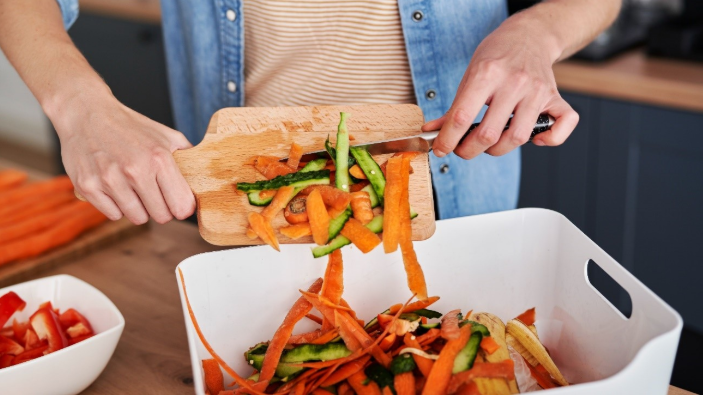
  • Having an organic/food waste bin in your kitchen makes it easier to manage your food waste. You can use this bin to dispose of vegetable peels, eggshells, bones, leftover seeds, etc., while cooking and after. This bin, once full can be emptied into your Brown Barna Recycling Bin. Food waste in the brown bin gets treated and turned into compost. 
  • Paying attention to food waste: Many of us repeatedly waste the same foods. If you’re putting food in the bin, take a second to ask yourself – ‘Why did this end up as waste?’ once you know what foods you are wasting the most and why, you can identify simple actions you can take to avoid food waste.  
  • Try to reuse and re-consume as much as possible: As much as possible, try not to toss out any leftover food in good condition. You can always store that leftover lasagne you had for dinner in the fridge and reheat it again for lunch the next day.  
  • Get Creative: Try making an alternative dish with food almost near its expiry date. For example: Use leftover fruit to bake buns, cakes, crumbles, or other desserts. Bread that is going stale can be used for French toast, to make bread and butter pudding or as croutons for soup or salad. You can make hash browns or patties with leftover mashed potatoes. Click HERE and explore some fantastic recipes. We promise it won’t be long until you have a new favourite dinner! 
  • Plan your meals Creating a meal plan for the week and meal prepping in advance can help you save time and get the most out of your produce. 
  • Shopping Smart: Be sure to check your fridge and cupboards in advance and list all the items you need before heading to the supermarket for your weekly or monthly grocery haul beforehand. Sticking to a list will ensure you effectively manage waste by reducing consumption and buying less. 
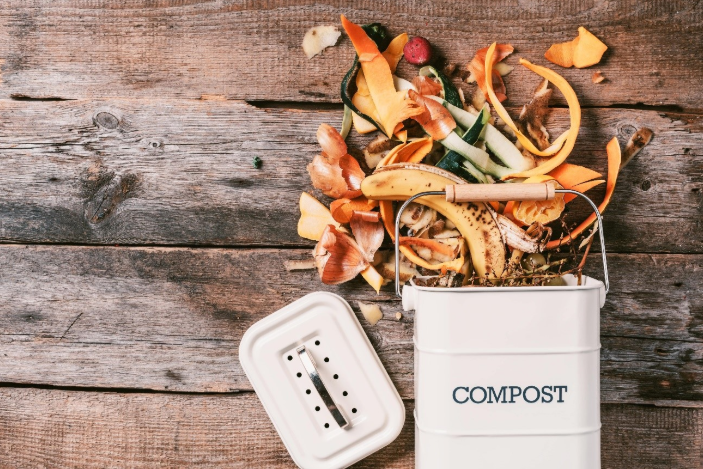
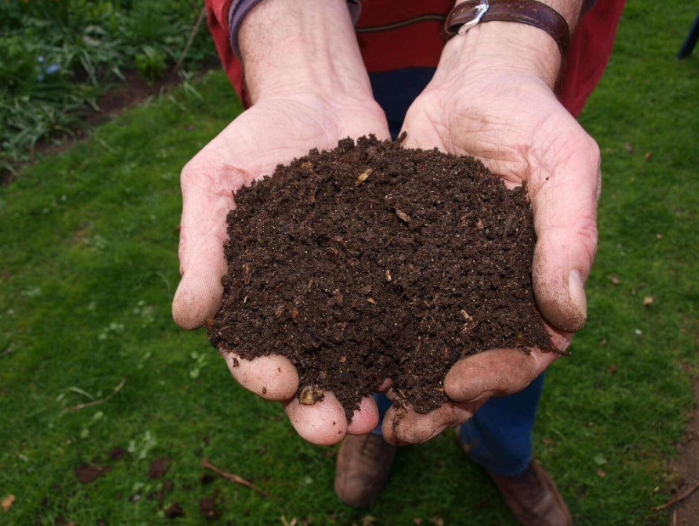
  • Home Composting Composting at home is one of the best methods to dispose of food waste. As compost is rich in nutrients and great for your garden, shrubs, or even indoor plants. It is an excellent way to get the final use of your leftover food. You can have a read of our helpful composting guide here. 

home composting and food waste


Benefits of a Food Waste Bin 

Having a separate bin for food and organic waste (brown bin) is highly recommended for individuals and households. Using a kitchen top caddy lined with a compostable liner is one of the most effective ways to manage food waste efficiently and has many benefits, such as: 

  • It helps you be more conscious of food wasted  
  • Minimises the amount of food waste created  
  • The food waste in the brown bin can be composted to be used as high-quality fertiliser for soil 
  • The food waste can also be processed into renewable energy such as biogas which can be used to generate electricity 
  • Reduces your overall carbon footprint and saves money 


Barna Recycling’s Brown Bin for Food & Organic Waste

The Barna Recycling Brown Bin is specially designed for kitchen and organic waste. The waste in this bin is taken to our purpose-built composting facility with the capacity to manage 40,000 tonnes of organic waste annually. Here the waste is processed into compost for use as a natural, high-quality fertiliser for use by farmers and horticulturalists. 

barna video food waste

Watch this video from mywaste.ie on How to Separate your Food Waste 


What Can Go into My Brown Bin? 

  • Food Waste (Meat, Fish & Poultry cooked & uncooked) 
  • Leftover food 
  • Bread & Cereals 
  • All types of Pasta/Rice/Noodles 
  • Coffee Grounds and Filters 
  • Dairy – Cheese & Yogurts 
  • Fruit & Vegetables (Rotten & Peels) 
  • Tea Bags/ Tea Leaves 
  • Egg Shells Paper Towels/Napkins 
  • Organic Garden Waste 

What Cannot Go into My Brown Bin? 

  • Glass 
  • Metal 
  • Cans 
  • Clothes & textiles 
  • Oils 
  • Plastic Containers, wrappers, and bags 
  • Nappies 

Visit our website to view the complete list of items that can and cannot be put into your Brown Barna Recycling Bin. For more information on reducing your food waste, contact a member of our team on 091 771619. 


Barna Recycling’s Complete Moving House Checklist: Student Edition

With finishing exams season and the academic year ending, it is that time of the year again where students move back home for the summer months. At Barna Recycling, we understand that moving out can be very hectic especially when you are living in rented student accommodation.

A frequent practice by students is to bring home unnecessary waste and items that they will never use again after the academic year is over. So instead of having to bring all this waste back home in the car, it’s a good idea to do a complete clear-out of your student accommodation.

Below we provide some of our top tricks and tips for students and parents owners that will help you on moving day! Sometimes it is difficult to know where you can dispose of your rubbish, what to do with any books, exam papers and notes that you don’t want to see the sight of again. You are probably wondering where to put all the cans, glass bottles, traffic cones, election posters or any other mysterious items you may have collected throughout the year.

How can I dispose of my rubbish?

When moving out of your rental accommodation, it is difficult to know which waste items from your home clear out would go into your usual waste bins and what shouldn’t. You want to the leave the property as clean as possible as it was when you moved in.
This Newsletter will provide valuable tips and tricks for students and parents.

Students

  • Books & Papers: If you have old college books in good condition, you can donate them to the college library or request the student’s union to sell them on your behalf. Alternatively, you can pass them on to someone who has signed up to do the same course/subject in the upcoming academic year. If the books can’t be reused, you can put old books in your recycling bin.
  • Glass Bottles: If you need to dispose of glass bottles, visit your nearest bottle bank. However, make sure they are washed, dried, and separated into brown, clear or green glass.
  • Cans: once washed can go in your recycling bin too.
  • Clothes, Bedding & Mattresses: Any type of old clothing, footwear, textiles including blankets in unusable condition can be brought to your local civic amenity sites to be disposed off a reduced rate. Alternatively, clothes in usable condition that you no longer want can be given to siblings or friends, brought to a charity shop or your nearest, clothes bank.
  • Electrical items: You can bring unwanted electrical waste, more commonly known as WEEE (Waste Electrical and Electronic Equipment), such as Computers, Monitors, Mobile Phones, Electronic Toys, Game consoles, Speakers, Headphones and electrical appliances to your local amenity site to dispose it free of charge. Check out our blog to find out more about disposing of WEEE items.
  • Kitchen Items: If you have kitchen items that are in good condition but do not need to be kept, a charity shop would only be delighted to receive them.

waste management services

Parents

If helping clear out their student accommodation, come prepared with a bucket load of patience, rubber gloves, cleaning items and black bags

  • Help them to decide what items they want to keep and what needs to be thrown out.
  • Have a rubbish bag prepared for general waste and one for recycling
  • Try and decide what they want to do with the bulky items first such as the bed clothes, pots and pans, kettles etc If they are being dumped or recycled it will save quite a bit of space in the car. If they are being kept, then it will help them to see that there is little room left in the car and to be stricter about what they are keeping.
  • Encourage them to go through clothes and dump anything that is well worn or has holes in it (provided it’s not the good jeans with rips at the knees!)
  • To make the process fast and efficient, while the student is sorting through their room, you could be packing up items in the kitchen and cleaning out their presses.
  • Encourage them to recycle or sell on any old books, notes, clothes, or other useful items such as a bike before the moving out date.
  • If the kitchen items are in good condition but do not need to be kept, a charity shop would only be delighted to receive them.
  • Many charities often have collection points or van pickups at universities so make sure to ask or enquire about these services if suitable.

Get to Know Your Local Civic Amenity Site

Barna Recycling’s purpose-built Civic Amenity Sites will assist you greatly when moving out of your home. We have seven civic amenity sites across Connacht for your convenience, where you can dispose of a large variety of non-hazardous and recyclable household waste at a reduced cost. Visit our website to find out where your nearest recycling centres might be located

Here are some of the benefits of using one of our civic amenity sites.

  • They are cost-effective and cheap to use.
  • Accept a wide range of items, including hazardous materials.
  • They are clean, local, and easily accessible.
  • Open on weekends to make them more accessible to all.
  • They are well laid out and marked for each waste material.
  • Cater for small and large deliveries in the exact location.
  • Provide WEEE and Glass Bottle services free of charge.
  • Cater for small and large deliveries in the exact location.

The items accepted will vary for each of our civic amenity sites. Please be sure to call in advance or check our website for the complete list of items accepted at your nearest centre. The charges for the items you bring to the respective civic amenity centre will be based on the type of vehicle you have, not the quantity or weight of the waste items themselves.

Our Barna Recycling team are always on hand at our civic amenity sites to greet you on arrival, assist you with drop-offs, and provide you with advice and information about recycling and waste disposal.

Alternatively, you can choose to hire a skip, which also makes throwing away rubbish much quicker and easier. At Barna Recycling, we have skips of all sizes for all purposes, so you can be sure we will have one to suit your needs and requirements– have a look at our helpful skip sizing guide here for more information.

If you would like more information on where to dispose of certain items or order a skip, give us a call today on 091 771619.

Barna Recycling’s Easy Guide to a Spring Home Clear-out

waste management

With summer sunshine truly underway, we are all enjoying the current spell of good weather. If you are like us, you would agree that now is the perfect time to declutter your homes inside out to enjoy the summer months. However, you might often wonder what waste items from your home clear out would go into your usual waste bins and what shouldn’t.

In this article, we have outlined some tips and key information to help you understand what can and can’t go into your waste bin and how to dispose of oversized items that can’t fit in your household bins.

So, what can go into your General waste bins?

  • Nappies
  • Ashes (Must be cooled and tied in a bag to reduce the risk of fire and dirtying the bins)
  • Tin Foil
  • Aero board
  • Contaminated & Wet Paper

Check out our blog on top tips for waste awareness & disposal for more detailed information.

Items that cannot go into your General Waste Bin

  • Paint cans – You can bring them to a local Civic Amenity Site
  • Clothes can’t go in your waste bin but can be brought to a clothes bank or charity shop.
  • IT equipment and electrical goods are more commonly referred to as WEEE (Waste Electrical and Electronic Equipment)– You can find out more about disposing of WEEE items at our blog.
  • Batteries – You can bring used batteries back to shops, many supermarkets have drop off points to recycle batteries,
  • Glass – should be washed and brought to your nearest bottle bank,
  • Duvets can’t be disposed of in your waste bin, but they can be brought to your local Civic Amenity Site
  • Bulky waste items – Old furniture, couches, mattresses, tables, and large household appliances that have seen the end of its useable life can be brought to a local civic amenity site near you.

Hiring a skip

You can consider hiring a skip for larger items that can’t be disposed of in your general waste bin, which makes decluttering your homes so much easier. At Barna Recycling, we have skips of all sizes, so you can be sure we’ll have one to suit your needs and the space available to you – check out our handy skip sizing guide here.
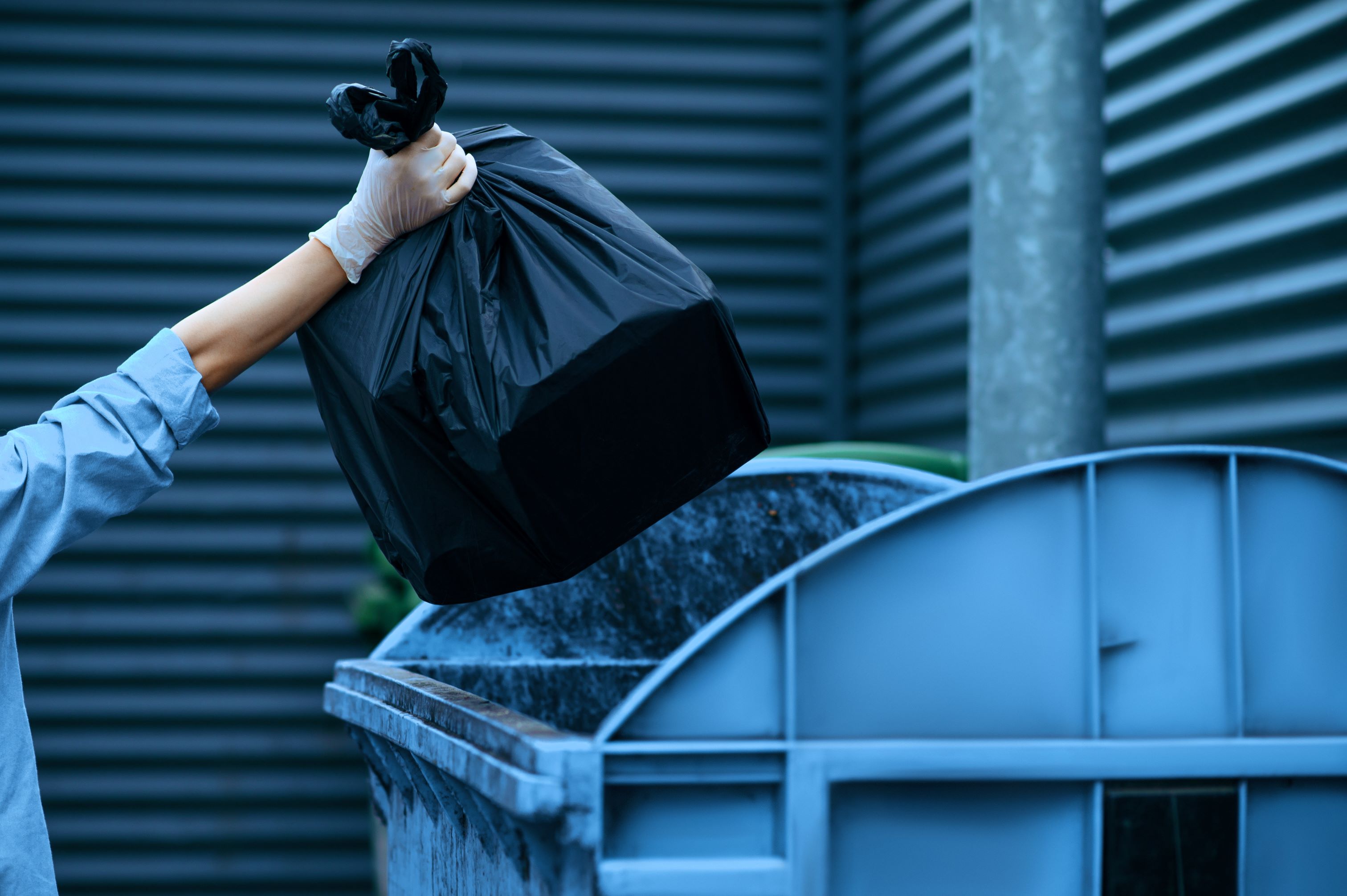
Benefits of hiring a skip:

  • You can keep the skip as long as you require it. *Please be advised that a weekly rental charge may apply
  • You have the convenience of not having to take large, awkward items in your car to the Civic Amenity Site.
  • If you are a Barna Recycling customer, you can get a discount if you order a skip from us. All you need is to have your Barna Recycling Account number handy.

Items that can’t go in a skip are as follows:

  • Hazardous Waste: A significant rule that is often forgotten is that hazardous waste should not go in a skip. It can leak and contaminate other recyclable materials.
  • Asbestos: If you come across asbestos during a renovation project or a home clear out, this must be dealt with by a team of specialists and not put into a general skip.
  • Appliances: Other items that we find cause great confusion is around electrical items, especially large household items. Refrigerators, freezers, microwaves & cookers should not go in a skip but instead, be brought to a Civic Amenity Site.
  • Oil or Paint cans, Tyres
  • Solvents, fuels, and batteries
  • Chemicals, flammable materials
  • Household waste includes food scraps, soiled nappies, and sanitary items.
  • Liquid Concrete

For more information on skip hire, do not hesitate to contact a member of our skip hire team on 091 771619.