Top Tips

Preparing for the Circular Economy: What Ireland’s New Waste Plan Means for You

Big changes are coming to how we handle waste in Ireland, and they’re set to impact every household and business across Connacht. In 2024, Ireland launched its National Waste Management Plan for a Circular Economy (NWMCE), a comprehensive roadmap designed to shift our current linear waste habits (‘take, make, dispose’) to a more sustainable, circular model focused on reuse, repair, and recycling.

But what exactly is a circular economy? Why does it matter to you? And how can Barna Recycling help you stay ahead of the curve?

In this blog, we break down what the circular economy means in practical terms, outline the key changes coming down the line, and offer actionable steps you can take now to future-proof your household or business.


What is a Circular Economy?


At its core, a circular economy is about keeping resources in use for as long as possible. Instead of throwing things away after a single use, we reuse, repair, share, refurbish and recycle. This model reduces pressure on the environment, reduces waste, and helps create a more resilient local economy.

For example:

  • Fixing a broken chair instead of dumping it
  • Choosing products with less packaging
  • Donating or selling unwanted goods
  • Composting food waste

In the context of waste management, a circular economy means reducing the amount of waste we generate in the first place, improving segregation of waste streams, and increasing recycling and recovery rates.


Key Points from Ireland’s New Waste Plan


The new NWMCE is Ireland’s first waste management strategy that fully embraces circular economy principles. Here are some of the main goals and shifts it brings:

  1. Waste Prevention as Priority
    Prevention is now the top of the waste hierarchy. The plan encourages smarter consumption and aims to reduce waste generation by at least 10% per capita by 2030.
  2. Stricter Rules on Contamination
    Households and businesses will be held to higher standards when it comes to bin contamination. Incorrect sorting could result in rejected collections and possible charges.
  3. Mandatory Segregation for Businesses
    Starting in July 2025, all Irish businesses are required to separate organic, recyclable, and general waste correctly, with fines for non-compliance.
  4. Focus on Reuse & Repair
    New infrastructure and funding will support repair hubs, swap shops, and reuse initiatives across the regions.
  5. Producer Responsibility Expansion
    Brands will need to take more responsibility for the full life cycle of their products and packaging.
  6. Local Authority Action Plans
    Every county and city must develop local Circular Economy Action Plans. This includes Galway, Mayo, Roscommon, and the surrounding areas.


What Does This Mean for You?


Whether you’re a homeowner or a small business, the new waste plan brings both responsibility and opportunity.

For Households:

  • Expect more guidance and checks on how you sort your waste
  • Take advantage of local repair cafes and swap events
  • Be mindful when buying: choose durable, repairable products
  • Be aware of good and bad packaging for recycling or reuse when making purchases
  • Compost food waste at home or use your brown bin properly

For Businesses:

  • Review your waste segregation systems now
  • Train staff on correct waste sorting practices
  • Prepare for documentation requirements
  • Consider reusable packaging or take-back schemes


How Barna Recycling Can Help


As Connacht’s leading waste management provider, Barna Recycling is ready to support households and businesses as they transition to a circular economy.

  • Expert Advice: Our team can guide you through compliance with the new rules
  • Education Resources: We provide bin labels and flyers for schools and businesses
  • Collection Services: From brown bin support to recycling pickups, we help you segregate properly
  • Reuse & Recovery Focus: We’re investing in systems that prioritise waste prevention and material recovery

We’re committed to supporting Connacht communities in reducing waste and creating a more circular, sustainable region.


Start Today for a Greener Tomorrow


The shift to a circular economy won’t happen overnight, but every small step counts. Whether it’s fixing a toaster instead of tossing it or teaching your children to recycle right, the change begins at home and in the workplace.

Don’t wait until the new rules catch you off guard. Partner with Barna Recycling today to stay ahead and make a positive impact on our local environment.

Ready to take action? Sign up now for Barna Recycling services and start your journey towards a circular lifestyle.

Why You Should Never Bin Batteries or Vapes in Your Household Waste

As more Irish households adopt devices powered by batteries or rechargeable components, it is vital to understand the risks of disposing of used batteries and vapes incorrectly. Putting them into your general waste bin might seem harmless, but in fact it carries serious dangers—for safety, for the environment, and for workers in the waste industry.

This post explains those hazards, outlines the correct disposal methods in Ireland, and answers common questions. It is optimised for local SEO and aligned with Barna Recycling’s ethos in Connacht.


A Massive Danger for Householders

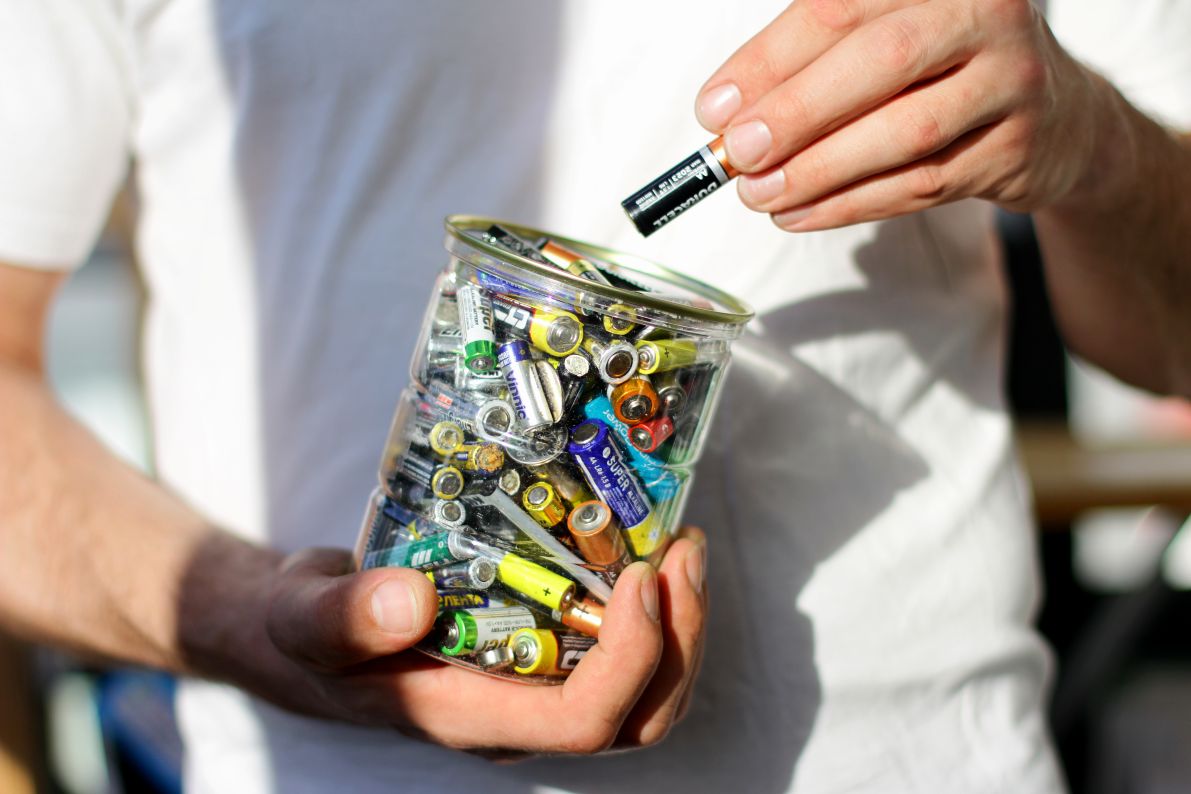
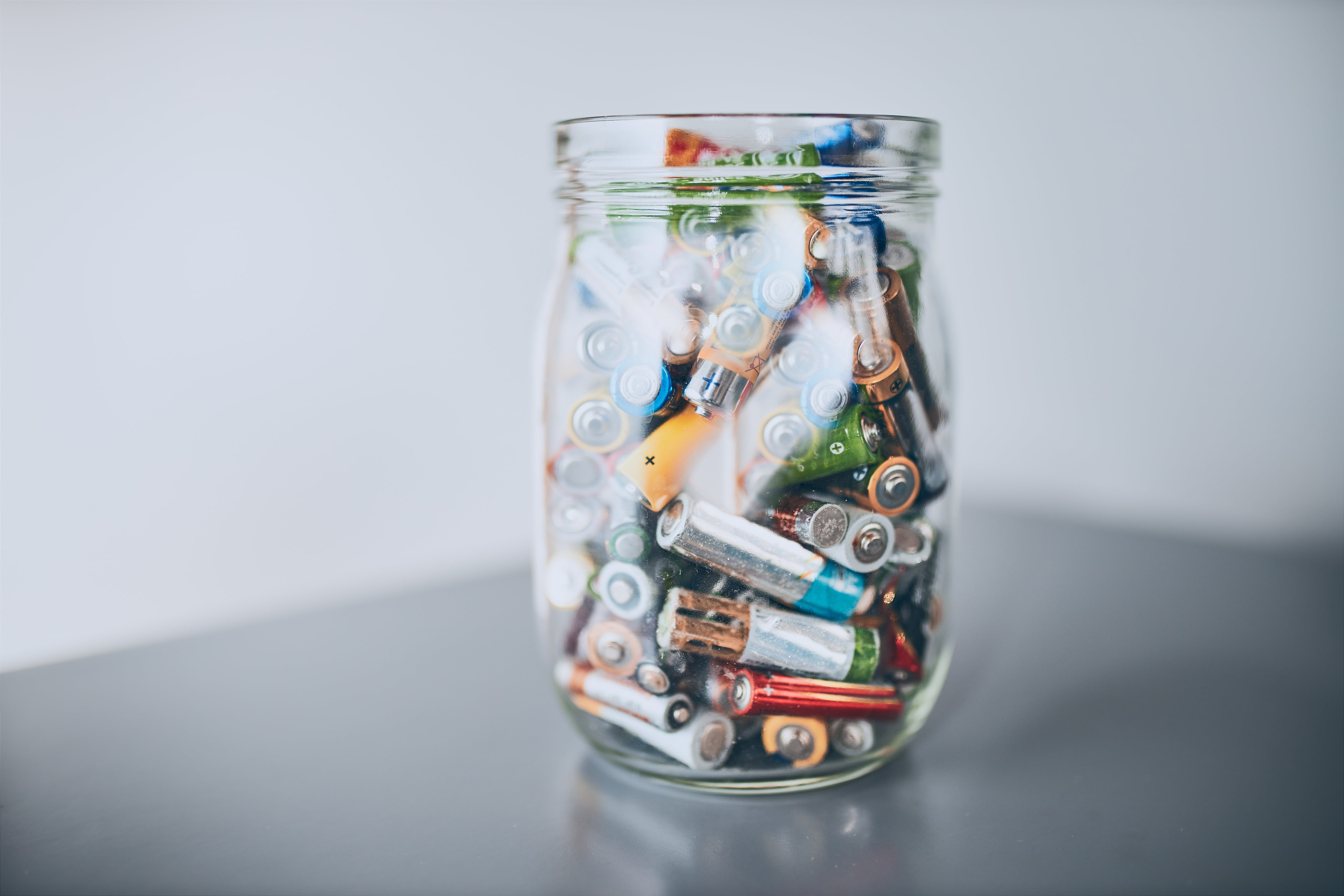
Householders should know there’s a real fire risk from discarded batteries and vapes. If these are damaged or crushed in a wheelie bin, a bin truck, or at a sorting facility, lithium cells can short out and flare up, sometimes with little warning.

A small fire can spread quickly, fill the air with toxic smoke, and damage fences, sheds, and vehicles, which can put people and pets at risk. Fires like this can also disrupt collections and mean costly repairs or insurance claims.

The safest approach is to store used batteries and vapes in a cool, dry place away from anything flammable, and take them to a designated drop-off point or an approved battery recycling service. The following section dives deeper into the consequences of the incorrect disposal of batteries and vapes.


Why Batteries and Vapes Don’t Belong in Your Household Bin


Fire and Thermal Runaway in Waste Streams

When batteries (especially lithium‑ion types) are crushed, punctured or damaged during waste collection or processing, they may enter thermal runaway, heating up uncontrollably, igniting nearby materials or even reigniting after being extinguished. In waste handling facilities, battery‑related fires are among the leading causes of serious incidents.

Globally, the rate of catastrophic fire losses in recycling and waste facilities is rising: one study found that the rate has increased by 41 % over the past five years, with many of those incidents traced to misdisposed lithium batteries.

The waste industry estimates that batteries are responsible for about half of the fires in waste and recycling streams.


Environmental and Health Hazards

Batteries and vape devices contain hazardous substances, such as heavy metals, corrosive electrolytes and other toxic chemicals. When landfilled or exposed to leaking conditions, these substances can leach into soil and groundwater, harming ecosystems, contaminating water sources and posing risks to human health.

Vape devices also may contain residual nicotine liquid, which is toxic and can pose spill or contamination risks if the device leaks.


Legal and Regulatory Obligations in Ireland

In Ireland, waste batteries and electronic equipment (WEEE) are regulated under national and EU law. They are classed as hazardous waste, so it is illegal to dispose of them in general household bins.

The European Union (Batteries and Accumulators) Regulations 2014 set out important obligations for battery producers, importers and distributors in Ireland.

In March 2024, new Battery Regulations under EU Regulation 2023/1542 came into effect in Ireland, with staged implementation of stricter rules on collection, labelling, producer responsibility and recycling targets.

Retailers in Ireland that sell electronic goods or batteries must accept waste batteries (of a type they sell) from customers free of charge for recycling.

It is also required that waste batteries never be placed in waste or recycling bins.


So, What Should You Do With Your Used Batteries and Vapes?

Disposing of batteries and vapes properly is easier than you might think. Here’s how:

  1. Don’t put them in the general waste bin.
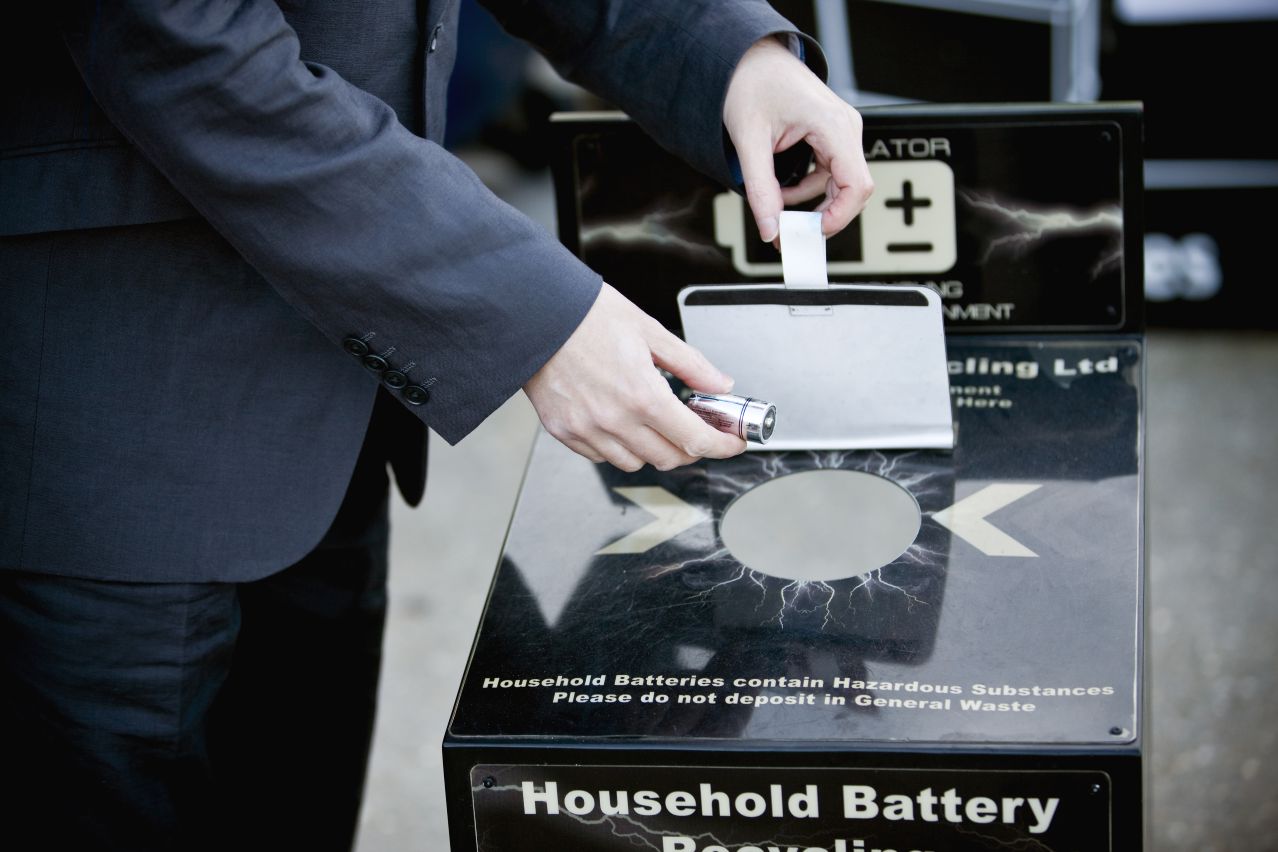
  2. Use battery collection points. You’ll find free “Blue Battery Boxes” in local shops, supermarkets, electrical retailers, and your nearest civic amenity site.
  3. Separate removable batteries from vapes. If the battery can be taken out, drop it into a battery box. If not, recycle the entire device via a WEEE drop-off point.
  4. Cover battery terminals with tape. This prevents sparks or contact with other metals in transport.
  5. Use local recycling centres. Visit weeeireland.ie or mywaste.ie to find your nearest drop-off location.
  6. Take advantage of take-back schemes. If you’re buying a new vape or electronic item, ask the retailer to take your old one – they’re legally obliged to do so, even if you didn’t buy the original item there.

All of this is completely free of charge for consumers.

Where to Recycle Batteries and Vapes in Connacht

Here are some simple ways to safely dispose of your items:

  • Battery recycling bins are widely available in Connacht supermarkets and newsagents.
  • Barna Recycling’s civic amenity sites accept batteries and electronic waste. Visit our Household Recycling page for opening hours.
  • Your local vape shop must accept your old device when you purchase a new one.
  • Your nearest WEEE collection point – check weeeireland.ie for details.


FAQ (Frequently Asked Questions)

Can I put used batteries in the household recycling bin?
No, you should not. Batteries are classified as hazardous waste and must not go into household waste or recycling bins.

What do I do with a disposable vape I cannot open?
If the battery is not removable, recycle the entire device via a WEEE drop‑off point, making sure any remaining liquid is disposed of safely and the unit is not binned.

Will I be charged to recycle batteries or vapes in Ireland?
No. Recycling of batteries and WEEE in Ireland is free to consumers.

Which types of batteries are acceptable for recycling?
Portable batteries (AA, AAA, coin cells etc.), batteries from small appliances, rechargeable batteries, and electronic devices all fall under acceptable categories for battery/WEEE collection.

Why is it so dangerous to bin vapes or batteries?
Mechanical damage in bin lorries or waste facilities can trigger thermal events, leading to fires, reopening of smouldering cells, or ignition of waste materials. These fires are difficult to extinguish and pose danger to workers and infrastructure.


Do the Right Thing (and Recycle)

Disposing of vapes and batteries properly might seem like a small action, but it makes a massive difference, preventing fires, protecting waste workers, and keeping harmful substances out of our environment.

Don’t take the risk. Binning them could cost far more than a trip to your local drop-off point.

Make the responsible choice today. Recycle your batteries and vapes properly, and if you’re not yet signed up with Barna Recycling, you can do so easily right here.

Back to School: How to Pack a Zero‑Waste School Lunch

school-lunch-box-with-pancakes-vegetables-and-fru-2025-01-09-18-44-12-utc

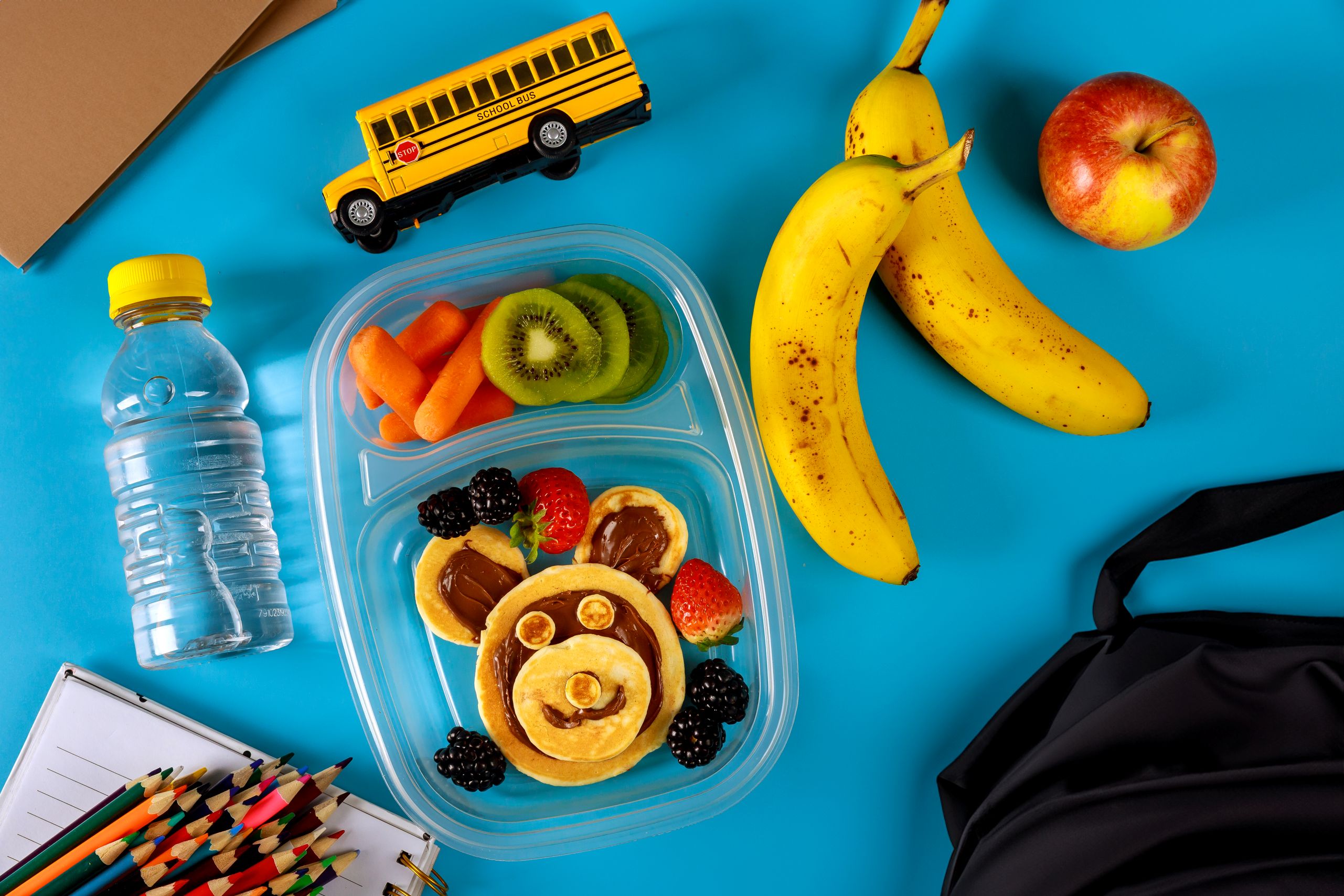
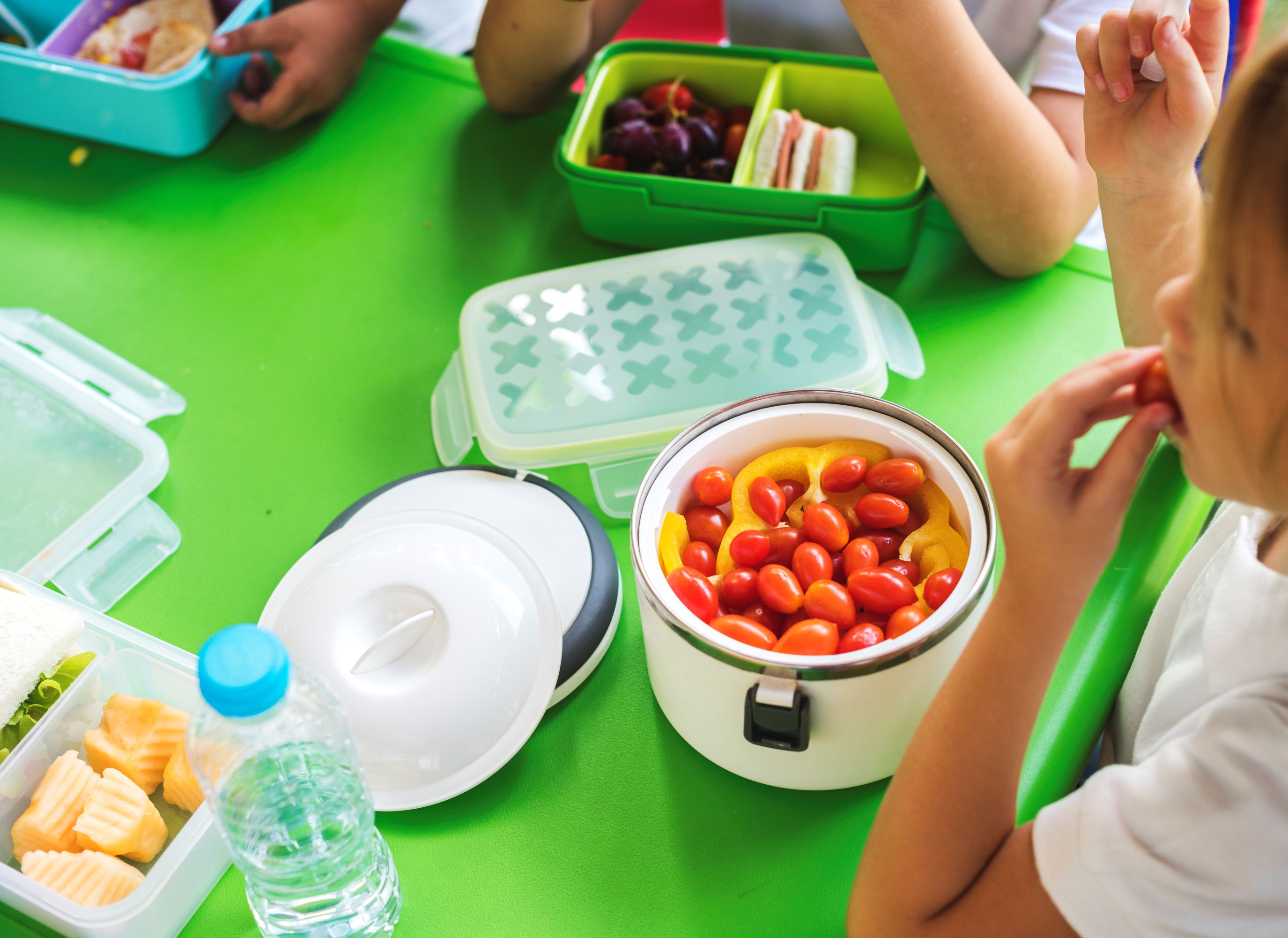
School is back in full swing across Connacht. The early alarms, the new timetables, the school runs – they’ve all returned. And so has the daily question: what’s going in the lunchbox? If you’ve found yourself reaching for the same packaged snacks and juice boxes again, you’re not alone.

But there’s a better way. It’s not about perfection. It’s about small, practical swaps that can lighten the bin and brighten your child’s day. Welcome to the joys of a zero‑waste school lunch.

A zero‑waste lunchbox isn’t about being perfect or overhauling your whole routine. It’s about reducing packaging, using everyday reusable items, and lowering waste without extra hassle. It’s a small change with a big impact on our local environment, and it helps families save time and money as the school term gets busier.


Why Zero‑Waste Lunches Matter (Especially Here in Ireland)


Less landfill, more green
In Irish classrooms and homes, food and packaging waste go hand in hand. In fact, almost 30% of all food produced in Ireland ends up as waste, and schools are one of the biggest contributors. Cutting down lunchbox waste is one of the simplest yet most powerful ways to tackle this.

Boost healthy habits and awareness
Opting for reusable containers, beeswax wraps, or stainless-steel bottles doesn’t just help the planet. It also opens up conversations with kids about the environment, personal responsibility, and smarter choices. It’s a brilliant opportunity to teach sustainable habits now that the school year is underway.

Save money over time
Those cling film rolls and juice boxes add up. Investing in durable, reusable gear may cost a little upfront, but over a term or a year, your wallet (and the Earth) will thank you.


5 Simple, Sustainable Lunchbox Swaps

1. Ditch the disposables

Swap cling film, foil, and cereal bars in plastic wrappers for reusable lunchboxes, beeswax wraps, or stainless containers. These durable swaps pay for themselves over time. They’re eco‑friendly and wallet‑friendly.

2. Skip single-serve drinks

Instead of juice boxes or pouches, fill a refillable water bottle or stainless-steel drinks flask. You’ll cut plastic waste and avoid those tiny cartons cluttering the bin.

3. Use cloth napkins and reusable cutlery

Swap paper serviettes and plastic forks or spoons for cloth napkins and reusable cutlery. They’re charming, practical, and much kinder to the waste bin.

4. Think bulk, prep smart

Buy yoghurt or snacks in family-size containers, then portion them into reusable pots. Prepping over the weekend? Batch-make snack packs to cut down prep time during busy school mornings.

5. Get kids involved and realistic

Ask them what they’ll actually eat, not just what looks appealing. Overpacking leads straight to waste. Involving children in packing also makes them more likely to eat and care about their lunch. Plus, it’s a lovely bonding moment before the school run.


group-of-kindergarten-students-eating-food-lunch-b-2025-02-10-13-37-56-utc

A Practical Zero‑Waste Lunch Routine

  • Prep Ahead: Soak and wrap food in the evening. The morning rush is already full enough.
  • Mix it Up: Pair sandwiches with chopped fruit, homemade granola, or a small salad in reusable containers. Variety means less waste and less nagging.
  • Storage Savvy: Use a cooler bag or ice block if needed to keep perishables fresh.
  • Leftovers-Friendly: Choose leak‑proof containers. Leftovers come home as feedback, not landfill fodder.
  • After-School Chores: Let kids rinse and repack their containers. It makes the next day easier and builds life skills.


A Lighter Bin, A Healthier Mindset

We’re a few weeks into the school year, and now is the perfect time to reset the routine. Some days you’ll nail it. Others, convenience might win. That’s completely fine. The aim isn’t perfection. It’s progress.

By taking a few steps towards a zero‑waste school lunch, you’ll start to notice:

  • Less clutter
  • Lighter bins
  • More nutritious, homemade meals going inside

That’s a win for your child, your wallet, and our planet.


Let’s Keep Connacht’s Lunches Greener

A zero‑waste school lunch is about as simple and impactful as eco-action gets. Just a few smart swaps, rooted in local habits, with real benefits in affordability and sustainability. At Barna Recycling, we’re here to support Connacht families in making the rest of this school term cleaner, greener, and more mindful.

Ready to reduce your household waste even more? Sign up for smarter waste services now.

Children at Home for the Summer? Fun Ways to Teach Kids About Recycling

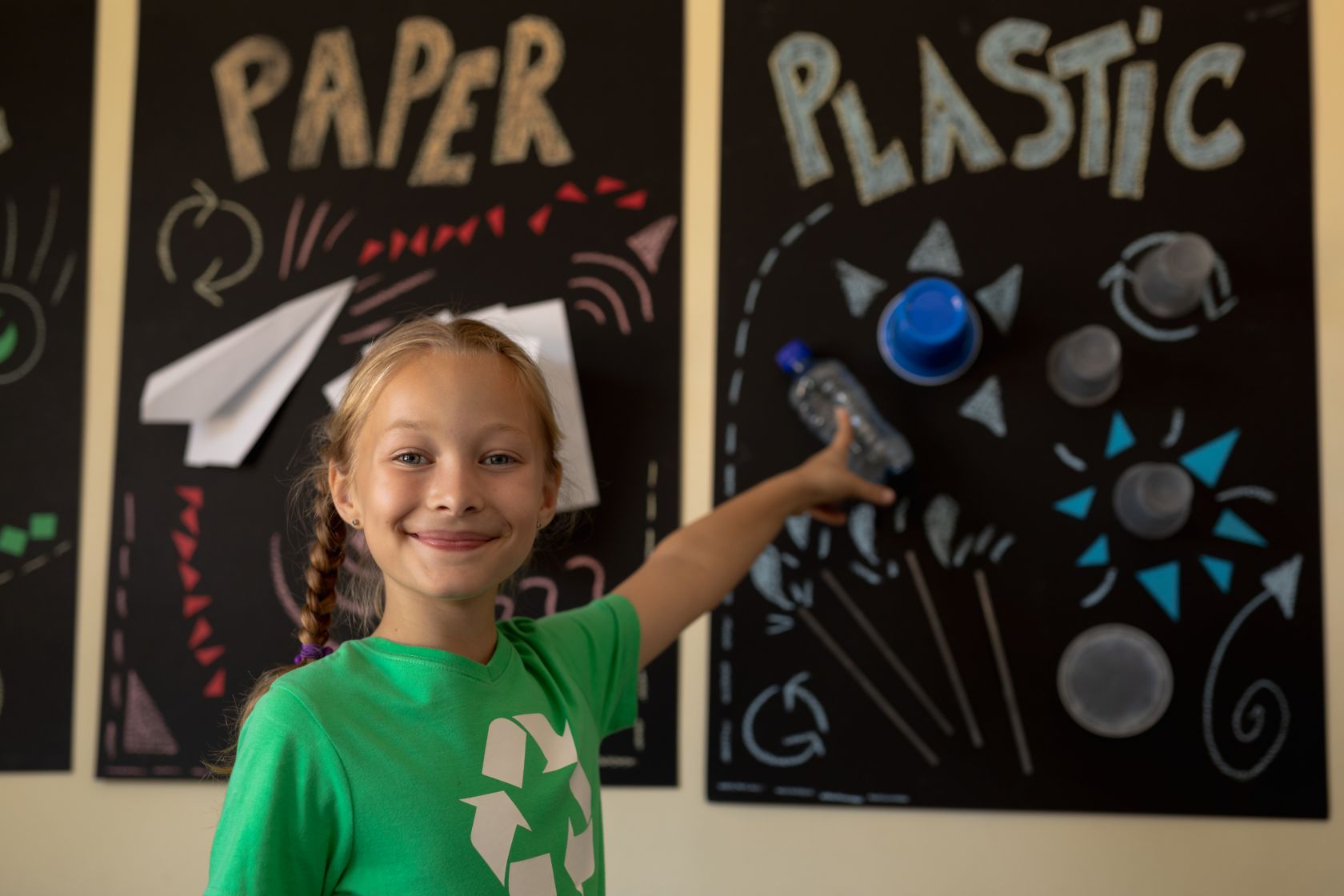
School’s out, and the long summer days are in full swing, meaning more time with the kids at home. If you’re looking for ways to keep them entertained without endless screens or sugary snacks, why not turn to something that’s both educational and fun?

Teaching children about recycling and sustainability during the summer is the perfect opportunity to build habits that stick, while keeping them happily engaged.

Here are imaginative, interactive, and downright fun ways to teach kids about waste management this summer.

1. Bin Sorting Relay Challenge

Set up a “waste race” where kids must run and place items in the correct bins: brown (compost), blue (recycling), and black (general). Add some common tricky items (e.g., pizza boxes or soft plastics) and have a mini quiz after each round.

Use this to reinforce proper bin use and check out our Bin Collection Guide for a refresher.

2. Craft Your Rubbish into Art

Gather clean waste items like yoghurt tubs, egg cartons, and toilet rolls, and let the kids build something imaginative. Create robots, castles, rockets, or eco-planters for garden herbs.

Have a mini exhibition at home and let them explain what each piece is made from. It helps them see waste as a resource, not just rubbish.

3. Green Storytime and Eco Books

Read stories with a recycling or environmental theme to plant the seeds early. Great choices include:

  • Michael Recycle by Ellie Bethel
  • The Mess That We Made by Michelle Lord
  • George Saves the World by Lunchtime by Jo Readman

Follow up with a drawing session or role-play based on the story’s characters and lessons.

4. Composting: The Backyard Science Lab

Create a child-friendly compost bin outdoors. Teach kids to separate food scraps like banana peels or eggshells from non-compostable items. Use a see-through tub or cut-out viewing window so they can watch the decomposition process.

Track changes week by week and talk about what’s happening underground – perfect hands-on science!

5. Pack a Zero-Waste Picnic Together

Have your children help plan and pack a picnic using no disposables. Use lunchboxes, cloth napkins, refillable bottles, and stainless steel containers.

Let them count how many pieces of waste they avoided. You can turn it into a game with prizes for the most waste-free ideas.

teaching kid recycling

6. Neighbourhood Litter Pick & Scavenger Hunt

Arm yourselves with gloves, reusable bags, and a list of litter “treasures” to find (e.g., 3 plastic bottles, 2 wrappers, 1 can). This turns a clean-up into an adventure.

Join local initiatives through Clean Coasts or community Tidy Towns groups. You can even track how much litter your family collects over the summer.

7. Eco Screen Time

Transform screen time into learning time. Some great platforms include:

  • SciShow Kids – educational YouTube series
  • Earth Rangers App – interactive eco-missions
  • Our Planet on Netflix – stunning visuals and powerful storytelling

Pick a topic and discuss what they learned afterwards, maybe even draw their favourite part.

8. Sustainable Star Chart

Create a wall chart with daily or weekly green challenges: turning off lights, picking up rubbish, using a reusable bottle, sorting waste. Add stickers or stars for each completed task.

At the end of the week, reward them with an eco-friendly prize, like a bug viewer, reusable lunch set, or a tree planted in their name.


Make Your Home More Eco-Friendly

Involving kids in sustainable living not only nurtures environmental responsibility, but it also encourages creativity, confidence, and teamwork. With these fun activities, your family can make the most of summer while building a greener future.

Want to make your home more eco-friendly? Visit our Household Services or Sign Up and join the Barna Recycling community today.

Small, Simple Changes For An Eco-Friendly Bathroom

eco-friendly bathroom

We don’t often think of the bathroom as a place where we can go green, but it’s actually one of the easiest rooms to make more sustainable. Whether it’s reducing plastic packaging, rethinking how we use water, or switching to earth-friendly alternatives, there are plenty of small changes that can make a big difference.

If you take a minute to examine your personal care, beauty, and general hygiene routine, you might be surprised to find that often there is more waste in your bathroom than anywhere else in the house. From shampoo bottles, shower gels, soap packaging, disposable razors, to bathroom cleaners and toilet rolls, the list is endless. 

In this guide, we’ll walk you through a range of easy ideas to help you create an eco-friendly bathroom. With just a few mindful swaps and habits, you can start building a space that’s better for both you and the planet.


Start by Decluttering: Less Really is More

Creating a sustainable bathroom begins with knowing what you have and what you no longer need. How many half-used shampoo bottles or expired products are sitting in your cabinet right now?

  • Clear out the clutter: Set aside time to sort through your bathroom shelves and drawers. Discard any out-of-date items or those you no longer use.
  • Use what you have: Before buying anything new, make a habit of finishing what you’ve already got.
  • Recycle thoughtfully: Make sure to separate recyclable items, such as shampoo bottles and cardboard packaging, and dispose of them properly.

Choose Reusables and Biodegradable Alternatives

Bathroom Recyclable Bottles

Making your bathroom more eco-friendly doesn’t mean overhauling everything overnight. Start small by swapping out disposable items for longer-lasting, biodegradable or reusable alternatives.

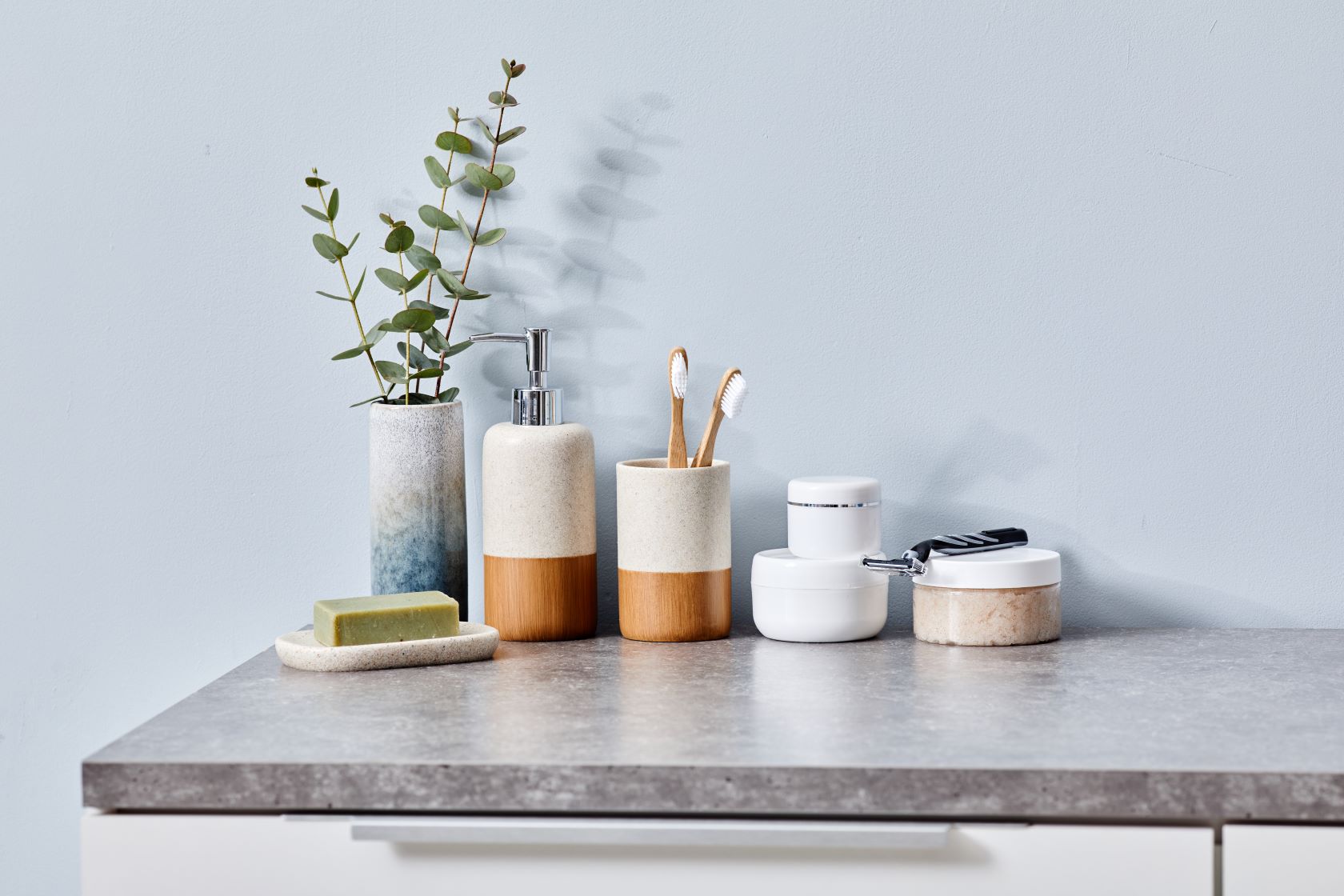
  • Switch to bamboo toothbrushes instead of plastic ones.
  • Use shampoo and conditioner bars to cut down on plastic packaging.
  • Replace disposable razors with refillable safety razors.
  • Opt for reusable cotton pads and facial cloths instead of single-use wipes.
  • Try organic, natural soaps that are free from harmful chemicals and come in recyclable or compostable packaging.

These swaps don’t just help reduce waste, they also tend to be better for your skin and wallet over time.

Rethink How You’re Recycling Bathroom Waste

eco-friendly toilet

Recycling in the bathroom is often overlooked, but it’s just as important as in the kitchen. A few tweaks can make all the difference.

  • Install a small bathroom recycling bin: This simple addition can encourage proper disposal of items like empty toilet roll tubes, product boxes, and plastic bottles.
  • Rinse and remove lids: Items should be clean and dry to be accepted by most recycling services.
  • Check local recycling guidelines: Some items might need to be taken to a recycling centre, like aerosol cans or certain plastics. Check out What Goes in My Blue Bin if you are unsure about what items you can recycle. 

By staying informed and consistent, you can turn your bathroom into a hub for responsible waste disposal.

Note: Items like nappies, toilet rolls, wipes, and cotton wool CANNOT be recycled and should be disposed of in the general waste bin (black Barna bin). 

Explore Green Bathroom Ideas for a Healthier Space

Sustainability doesn’t end with products—it extends to design and functionality too. Whether you’re renovating or just refreshing your space, these green bathroom ideas can help lower your environmental footprint:

  • Install water-saving fixtures like low-flow taps and showerheads.
  • Use LED lighting to reduce energy use.
  • Decorate with indoor plants to naturally purify the air.
  • Choose natural materials like reclaimed wood, stone, or bamboo for a warm, organic feel.
  • Paint with eco-friendly paints that have low or no VOCs (volatile organic compounds).

With a few thoughtful upgrades, you can create a bathroom that looks good, feels good, and does good.


Building Your Zero Waste Bathroom

An eco-friendly bathroom isn’t just good for the environment, it’s often more economical, healthier, and simpler too. By gradually swapping disposables for reusables, recycling more mindfully, and embracing sustainable design, you’re taking meaningful steps toward a zero-waste bathroom.


Go Green With Barna Recycling

At Barna Recycling, we’re committed to helping you live more sustainably, starting with your everyday spaces. We are Connacht’s leading provider of waste management services, providing a professional, reliable and environmentally friendly service.

Not yet a customer? Join today and enjoy the peace of mind that we will recycle what you throw away, lowering the costs to our customers and also to our shared environment.

Learn more about our contract options and sign up today.

Wardrobe Revamp: What To Do With Old Clothes That Can’t Be Donated

The beginning of summer is usually when you open your wardrobe and start looking for lighter clothes that have been hidden for a long time. It’s also the perfect time to realise your wardrobe needs a revamp. As you make a pile of old, unwanted clothing, you’re likely to ask yourself: what to do with old clothes that cannot be donated in Ireland?

At Barna Recycling, we’re here to help. Many of our customers ask us how to handle clothes that are too worn or damaged for charity. Thankfully, there are sustainable, practical ways to recycle clothes and responsibly dispose of unwanted textiles. Here are our top tips for clothes recycling across Ireland.

how to dispose of old clothes ireland 1


5 Key Tips on Clothes Recycling & Textile Disposal

With the average Irish resident projected to own over 75 pieces of apparel in 2024, sustainable textile recycling is more important than ever. Here are five tips to help you manage your wardrobe responsibly.


1. Shop Smart To Reduce Clothing Waste

Reducing waste begins with conscious shopping. The textile industry is the second-largest contributor to global pollution (Source: mywaste.ie). Every piece of clothing you wear or use has undergone a complex manufacturing process that uses high electricity, water, and other energy sources.

Recycling and upcycling unwanted textiles saves energy by reducing or eliminating the need to make materials from scratch. So, before you purchase a new piece of clothing, shoes, etc., always ask yourself, ‘Do I need it, and will I wear it?’.

how to dispose of old clothes ireland 2


2. Pass, Swap or Hand Them Down

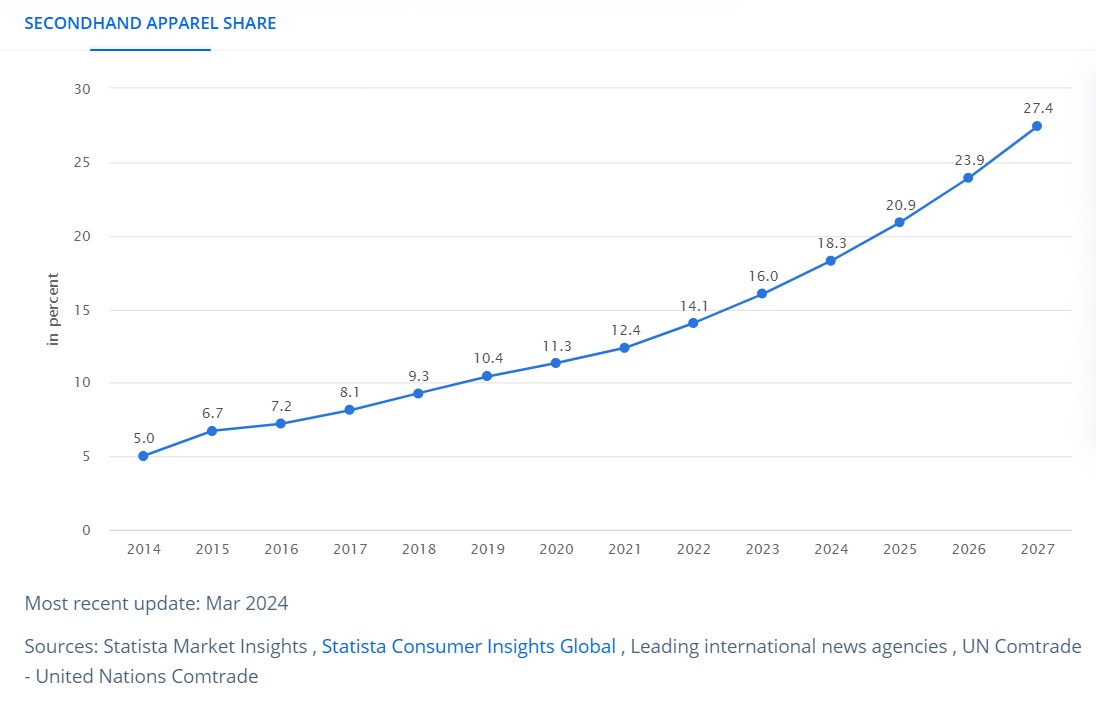
Before resorting to textile recycling, see if friends or family can reuse your clothes. Remember to be honest about any damage and wash the clothes before you pass them along. Research shows that second-hand clothing is growing and will represent around 27% of the apparel market share by 2027. Swapping platforms like Depop and Thriftify are ideal for giving your old wardrobe a second life. Hosting a swap party is another fun way to exchange clothing locally.

second hand apparel stats - dispose of old clothes


3. Donate to Charity – Where Possible

You can also donate clothes and unwanted textiles in good condition to local charity shops, as non-profits and charities would often be extremely grateful for your donation. Over 10 million garments per annum are handled via charity or second-hand shops. Using charity shops often means the sales from the clothing benefit causes in your local area or community.

Organisations such as Enable Ireland, OxfamSociety of St Vincent de Paul (SVP), and Liberty Recycling are some of the organisations that accept quality clothing. Use Charity Retail Ireland to find donation centres or clothing banks near you. For items that cannot be donated, move on to options like clothes recycling.


4. Transform & Upcycle

Damaged clothing can be creatively repurposed into face masks, tote bags, or cleaning cloths. All it takes is a little creativity and vision. Platforms like Pinterest and YouTube offer great inspiration for DIY upcycling projects.

how to dispose of old clothes ireland 4


5. Use Recycling Centres and Civic Amenity Sites 

For items that can’t be reused or donated, your local recycling centres are the best solution. Barna Recycling’s sites accept a wide range of textiles, including clothes, shoes, and blankets. While extra charges may apply for bedding and mattresses, it ensures responsible disposal through proper clothes recycling methods.


BONUS: 6. Barna Recycling’s Expert Textile Tips

As the number one environmentally friendly waste collection provider, we have put together a list with valuable extra tips to help you with disposing of old clothes and textiles:

  • Consider the charity shops’ big advantage – not only are the clothes reused and not treated as waste, but they also help provide financial assistance to a particular charity.
  • Familiarise yourself with other items charity shops may take for upcycling or re-selling – such as household goods, books, electrical items, etc. Not all of these shops are dedicated only to clothes.
  • Help the charity by purchasing something on the same journey – when dropping off clothes, always have a look at what’s for resale.
  • Bedclothes and duvets are not always accepted by all charities. Check-in in advance of travelling.
  • Point out clothes that are heavily soiled or damaged—although they can still be taken to some banks, this should be checked in advance.
  • Old clothing not able to be reused can still be put to good use by being shredded and reused for things such as furniture stuffing.


Where Can I Recycle Clothes in Ireland?

Wondering where to recycle clothes that cannot be donated? Barna Recycling has five fully equipped Recycling Centres across Co. Galway. Each centre accepts a range of non-hazardous materials, including textiles.

Visit our locations page to see what’s accepted at each site. Please note that waste items accepted may vary depending on location.


Not a Barna Recycling customer yet? Switch to Barna Recycling today and save!


Barna’s Top 3 Tips For More Efficient And Effective Bulk Waste Disposal

Bulk waste disposal of furniture

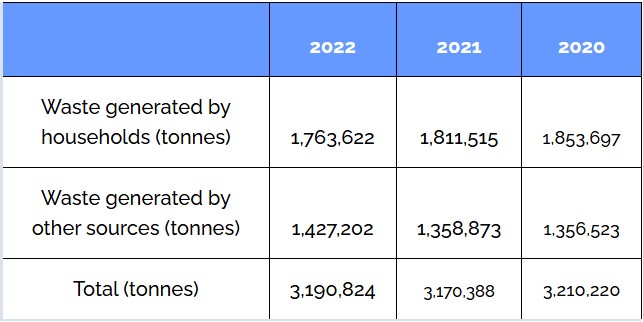
According to the Environmental Protection Agency, Ireland generated 3.19 million tonnes of municipal waste in 2022 and recycled 41 per cent of it. “Municipal waste” accounts for waste types such as residual, recyclable, and bulk.

bulky-waste-epa-2025

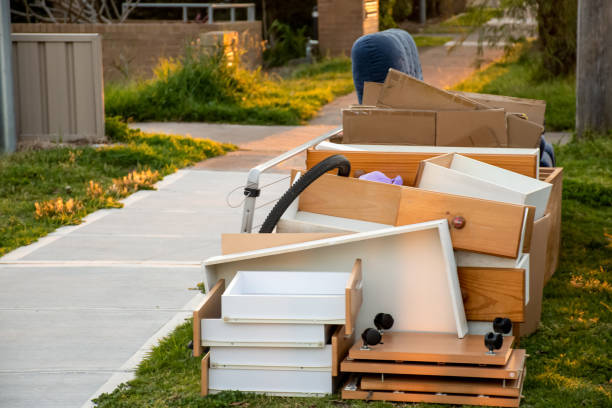
Here, “bulk” refers to large waste items that are also considered bulky waste. These are items that cannot fit in your general waste bins (e.g., furniture, bedding) and always tend to take up too much space in your home. Here at Barna Recycling, we’re often asked by customers what to do about bulky item disposal.

To give you an idea of how to manage these items, we’ve pulled together top three tips that you can implement today. These will help you get rid of large items and put in place a more efficient and effective bulk waste disposal process.


What is an Example of Bulky Waste?

Bulk waste disposal can be confusing when you’re unsure about what’s considered part of this waste category. So, first, let’s have a look at some of the common items:

  • Couches
  • Chairs
  • Tables
  • Mattress

Interesting fact: Around eighty percent (80%) of most mattress’ components can be recycled

  • Old furniture, such as wardrobes and bed frames
  • Large household appliances, such as fridges, freezers, washing machines and dishwashers
  • TVs

Top 3 Tips For Bulk Waste Disposal


Tip 1: Why not try Upcycling?

Upcycled furniture, or any other “upcycled” item, is when you reuse an item in a way that adds quality or value. So, if you’re still in love with your old furniture and want to get the maximum use out of it, you could always try to upcycle them where possible to create something entirely new.

Upcycling is also a nice way to spend your weekends as it gets your creative juices flowing. Besides, chances are you could end up creating something spectacular that you can advertise to sell and make some money.

Need some more convincing? Check out MyWaste.ie’s video content around upcycling and selling items.


Bulk waste disposal of clothes donation

Tip 2: Donate to Charity

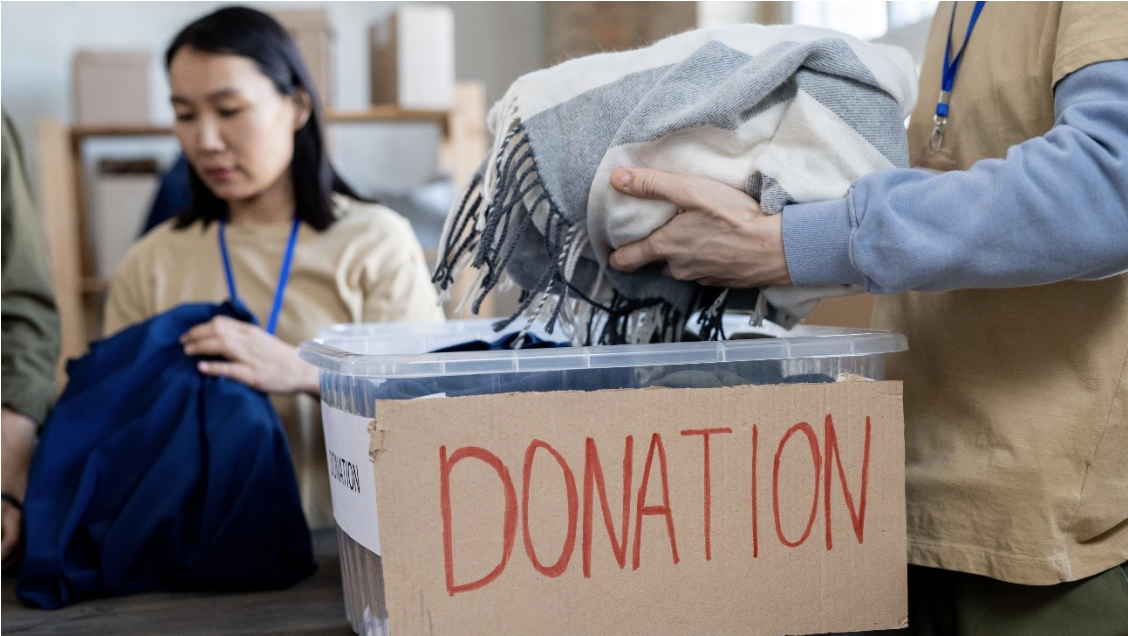
Before you dispose of your bulky waste, assess whether it’s in good enough condition to donate to a local charity. There are several charities around the country that are willing to collect old but clean and functional furniture from your home and bring it to those in need. The Irish Charity Shops Association website will help you find the nearest charity shops near you.

Be sure to check in advance if the charity shop accepts furniture and large items.


Tip 3: Civic Amenity Sites

A question we often receive is: “How do you properly dispose of waste?” Well, if your bulky item has seen the end of its useable life, and you feel the only feasible option is to dispose of it, you can always bring it to your local civic amenity site near you. However, an extra charge applies for the disposal of old beds and mattresses.

A member of the Barna Recycling team will meet you on arrival at the civic amenity site to identify the contents you want to dispose of. Our experienced and helpful staff will advise you and direct you towards where the materials should be put on site.

On some days and at some sites, there are people to help you with the unloading of materials, but this isn’t always the case. If you need help, you can always give us a ring to let us know in advance, and a member of our team will be happy to assist you.

Remember, we also accept Waste Electrical and Electronic Equipment (WEEE) free of charge. For more info on how to correctly dispose of WEEE, click here.


What are 10 Ways to Reduce Waste at Home?

Looking for ways to reduce waste at home? Try these 10 options:

  1. Deter from buying single-use items
  2. Use less water
  3. Bulk buy items where possible
  4. Reduce food waste
  5. Donate unwanted furniture
  6. Dispose of electronics responsibly
  7. Go paperless
  8. Turn to sustainable fashion
  9. Embrace the second-hand economy
  10. Educate others


Efficient And Effective Bulk Waste Disposal With Barna Recycling

Get the most out of your visit to our civic amenity sites and make your bulk waste disposal more efficient by planning ahead.

See more information about our Civic Amenity Sites and view the list of items they accept.

2025 Hacks: Mastering Household Waste Disposal

household waste disposal tips

As we enter 2025, mastering household waste disposal is not just a responsible choice but a necessity for a sustainable future. Understanding the different types of waste streams is the first step towards successful household waste management. Waste classification into organic, recyclable, and non-recyclable components sets the foundation for effective disposal techniques. 


What is considered household waste?

The waste produced in households and similar waste produced by businesses is also called municipal waste or Municipal Solid Waste (MSW). Household waste is a diverse category encompassing general, recyclable, and organic waste collected directly at kerbside and back doors or brought to waste collection centres like banks, civic amenity sites, and pay-to-use compactors.

According to Ireland’s Environmental Protection Agency (EPA) last report, in 2021, out of a substantial 1.84 million tonnes of household waste that were generated in the state, 1.81 million tonnes was managed. However, an estimated 25,700 tonnes remained unmanaged, emphasising the need for continued investments in waste management solutions to address this issue.

Although MSW accounts for just around 10% of total waste generated across the EU, it is difficult to manage since it comprises several streams, including general waste, mixed dry recycling, and organic waste, as well as a high number of producers.


Disposing of daily household waste

Every household is entitled to a general and a recycling bin from a waste collector. If a customer lives in an area of 500 people or more, they are entitled to general, recycling and organic waste bins. Waste collection providers usually have a colour-coded system for separating household waste. For example, we have black, blue, and brown bins at Barna Recycling.

Even though bins are colour-coded, and customers are provided with information regarding household waste disposal management, contamination of bins is still a big issue, with recent Environmental Protection Agency (EPA) figures indicating that 20% of the material in household recycling bins should not be there, and significant 70% of the material in general waste bins from the commercial sector should be in recycling or organic bins.

This translates into a substantial loss of resource value—a costly oversight for households and businesses. However, proper waste segregation can be the solution to lower waste charges and safeguard investments in local treatment capabilities. 

TIP: Ensure you maximise the space in your bins by breaking down waste before you put it in. This is especially important for the recycling bin. Cardboard boxes and packaging can quickly take up a lot of space, so be sure to break down bulkier items. Remember that overflowing bins or items left out beside your bins may not be taken away. 

**If your bin is overflowing well in advance of your collection day, call the Barna Customer Care Team on 091 771619 to discuss your options.  


How to reduce household waste

household waste disposal and recycling

The journey to waste reduction begins with intentionality. Mindful consumption requires deliberate choices—purchasing only what is needed, prioritising quality over quantity, and avoiding items with excessive packaging. A discerning approach to shopping can curtail waste before it even enters the home.

By addressing waste at its source and adopting sustainable practices, households can become bastions of environmental stewardship. This collective effort safeguards our immediate surroundings and the planet at large, creating a legacy of sustainability for generations to come. Here are a few simple tips to help you get started with waste reduction:

  • Use reusable shopping bags
  • Make a weekly meal plan and shopping list
  • Avoid produce that’s wrapped in plastic
  • Support your local farmer
  • Start composting at home
  • Avoid single-use plastic
  • Replace your soap bottles with bars
  • Buy second hand
  • Switch to digital documents


How to dispose of household hazardous waste?

disposing off hazardous waste

Embarking on the journey of proper household waste disposal begins with a critical first step – the identification of hazardous waste lurking within the confines of your home. Everyday items take on a hazardous identity, the most common being pesticides, batteries, fluorescent light bulbs, paints, solvents, and various cleaning agents. 

The key is not just recognition but the meticulous segregation of these potentially harmful materials. You can either find a local drop-off location like our Civic Amenity Centres – see items accepted – or, depending on the case, bring the item back to the place where it was purchased. You can also check EPA’s guide to hazardous waste prevention.

Some hazardous items include:

  • Waste Paint/ Paint Thinners/ Strippers
  • White Spirit Creosotes
  • Adhesives/Glues
  • Aerosols Waste
  • Antifreeze/Coolants
  • Bleaches
  • Chemicals with Identification Labels
  • Cleaning Agents
  • Detergents
  • Engine Oils
  • Epoxy Resins
  • Herbicides/ Pesticides
  • Medicines
  • Pharmacy Waste
  • Silicones

TIP: Since batteries cannot be disposed of at home, you must bring them back to the place where they were purchased or to a Civic Amenity Site. Electrical items such as chargers also need to be disposed of correctly. They need to be returned to where they were purchased or should be brought to a WEEE drop-off recycling point or your local Civic Amenity Site to be disposed of. Learn more about how to dispose of WEEE the right way


Household waste recycling centres

A recycling centre, also known as civic amenity site, is an EPA-licensed drive-in facility fully equipped and designed to recycle a wide range of household products. These facilities take bagged household waste, food waste, and bulky items, such as furniture, for disposal.

Not all types of hazardous waste are accepted in these centres, so for details on the types of waste material accepted and any charges that may apply you should check with the waste collection provider.

You can learn more about Barna Recycling’s Recycling Centres here. 


Ready to master household waste disposal and lower your costs with waste management in 2025?

Mastering household waste disposal in 2025 goes beyond individual actions—it’s about embracing a holistic approach that entails conscious consumer choices, including a waste collection provider that helps you navigate the challenges of waste management for a more sustainable future.

Barna Recycling is Connacht’s leading provider of waste management services, providing a professional, reliable and environmentally friendly service. Join Ireland’s number one environmentally friendly waste collection provider and enjoy the peace of mind that we will recycle what you throw away. 


References:

Household Waste Statistics for Ireland, Environmental Protection Agency. https://www.epa.ie/our-services/monitoring–assessment/waste/national-waste-statistics/household/#:~:text=Household%20waste%20includes%20general%20waste,pay%2Dto%2Duse%20compactors.

A Waste Action Plan for a Circular Economy – Ireland’s National Waste Policy 2020-2025, Government of Ireland. https://www.gov.ie/pdf/?file=https://assets.gov.ie/86647/dcf554a4-0fb7-4d9c-9714-0b1fbe7dbc1a.pdf#page=null

How Technology Can Help You Reduce Waste

waste reduction using technology

From food waste to single-use products, the need for adopting more sustainable practices has become even clearer with all the environmental challenges we’ve faced in the past years. 

Like in other aspects of our daily lives, technology has played an important role in helping people become more conscious regarding waste disposal. Waste reduction apps are emerging as powerful tools for individuals and communities to minimise waste generation, promote recycling, and adopt more sustainable practices. More than only making waste reduction more accessible, these digital solutions also encourage a shift in mindset towards responsible consumption.

Let’s look into the apps making waves in waste reduction, showing how simple technology can catalyse significant environmental change.


Top Waste Reduction Apps and How They Work

From food to household items,  the vast array of waste-reducing apps available can help users tackle various forms of waste in daily life.

Apps for Food Waste Reduction

Food waste is a major contributor to landfills, and two leading apps are addressing this issue with innovative approaches.

  • Too Good To Go: On this app, restaurants, cafes, and bakeries list leftover food that would otherwise be thrown away. Users can then browse the map for food near them and pick up a ‘magic bag’ for a fraction of the original retail cost. You can register for free and specify your dietary requirements.
  • Olio: Designed to foster a local sharing economy through community sharing as the app lets users offer surplus food and household items to neighbours. By fostering a local sharing economy, Olio helps households minimise waste.

Apps for Secondhand Shopping and Reuse

Encouraging a circular economy, these apps connect individuals to give used items a second life.

  • Depop: Popular among young consumers, Depop is a fashion resale app where users buy and sell secondhand clothing. By reducing the demand for new fashion production, Depop aids in cutting down the carbon footprint associated with the industry.
  • Nuw: Founded by Irish entrepreneur Aisling Byrne, Nuw turns fashion into a currency: you upload an item, earn coins, and use these coins to redeem a “nuw” piece.


Benefits of Using Waste Reduction Apps

waste reduction mobile app

The positive impact of waste reduction apps extends beyond environmental benefits; they also provide economic and educational advantages.

When waste is minimised, there’s less need for new resources, leading to a more sustainable environment. Moreover, some waste reduction apps save consumers and businesses money by providing discounted surplus goods or encouraging the reuse of items. 

Waste reduction apps also empower consumers by providing knowledge on sustainable practices. Through app notifications, tips, and interactive features, consumers become more informed about environmental issues and motivated to make eco-friendly choices daily.


Take an Important Step Towards Sustainability

Barna Recycling is Connacht’s leading provider of waste management services, always providing a professional, reliable, and environmentally friendly service. All this ensures that customers enjoy the peace of mind that we will recycle what they throw away, lowering the cost to our customers and the environment.

Our household mobile app helps our customers optimise their waste disposal, offering numerous benefits and key features that go beyond simply allowing them to see their bin collection history.

Not a Barna Recycling customer yet? Join today and partner with your number one environmentally friendly waste collection provider.

Barna’s Guide To Sorting All Types of Domestic Waste

waste management

Decluttering your home during any season can be a daunting task, especially when you’re not sure how or where to dispose of the different types of domestic waste.

From clearing out the massive mess in the shed, old clutter in the attic, sorting through unused clothing, old blankets, bedding and old books, there is no better time than NOW now to deep clean your home inside and outside.
 
Experience a seamless and stress-free clear-out with Barna Recycling’s top tips to help you understand what to do with the different types of domestic waste from your home clear-out. 


Understanding the Types of Waste Accumulated at Home

Efficient waste sorting is key for responsible disposal. It not only streamlines the process but also contributes significantly to environmental conservation.

General Household Waste

General household waste spans a broad spectrum, from everyday disposables to non-recyclable plastics. Recognising and categorising this waste is the first step in crafting an effective sorting strategy. If you are struggling to understand what plastics are(n’t) recyclable, you can check out our blog: Steps to Follow when Disposing of Plastic Packaging Waste

Hazardous Materials

Hazardous items can hide undiscovered among the many types of domestic waste. These pose a substantial risk to both human health and the environment. Identifying and safely disposing of such materials is imperative during clear-outs. It is always a good idea to cross-reference Barna’s colour bin guide to understand what waste items should be disposed of in your blue, black or brown bins!

Electronic Waste

The digital age has given rise to a new challenge – electronic waste. Understanding the components of electronic devices and their potential environmental impact is critical for correct and safe disposal. Read our blog on electronic waste to learn more about responsibly disposing of waste electrical and electronic equipment (WEEE).


Domestic Waste Disposal Solutions: The 3 C’s

If you are confused about where to start with your domestic waste disposal and what the correct disposal solutions are, it is useful to create a list that will act as a step-by-step guide to clearing out your home! To better remember the necessary steps for correct waste disposal during your home clean-out, remember to check Barna’s 3 C’s off your list: 1) Colour-coding 2) Civic Amenity Site 3) Compositing

waste management ireland

  1. Colour-Coding: Make Correct, Responsible Use of The Designated Bins

Correctly sorting your household disposal and using the designated bins for the different types of domestic waste is the first step to ensure an effective home clear-out. Ensure you separate hazardous materials and electronic waste. 

Not sure about what goes in Barna’s brown, blue or black bin? See what goes in each Barna Recycling bin.


  1. Civic Amenity Sites: Utilise Your Local Recycling Centres

Collaborating with local recycling centres facilitates the responsible disposal of recyclable materials. Barna Recycling’s purpose-built Civic Amenity Sites can assist you greatly when clearing out your home. With seven civic amenity sites across Connacht, we collect a large variety of non-hazardous and recyclable household waste at a reduced cost.

Here are some of the benefits of using one of Barna Recycling’s civic amenity sites.

  • They are cost-effective and cheap to use.
  • Accept a wide range of items, including hazardous materials.
  • They are clean, local, and easily accessible.
  • Open on weekends to make them more accessible to all.
  • They are well laid out and marked for each waste material.
  • Cater for small and large deliveries in the exact location.
  • Provide WEEE and Glass Bottle services free of charge.
  • Cater for small and large deliveries in the exact location.


  1. Composting: Practise Better Organic Waste Management Habits

Integrating composting into household waste management significantly reduces the environmental impact of organic waste. Composting not only diverts waste from landfills but also produces nutrient-rich compost for soil enrichment. Check out Barna’s useful blog to guide you through better Ways To Recycle Food Waste.


More on Barna Recycling’s Sites: Types of Domestic Waste We Accept

Old Blankets, Bedding & Mattresses: Some of our civic amenity sites will also accept any type of clothing, footwear and textiles, however, an extra charge will apply for disposing of bedding and mattresses.
 
Books: As a rule of thumb, books should be placed in the household recycling bin, however, if you have a large volume of old books, phone books, newspapers, and magazines, you can dispose of them at some of our local civic amenity sites.
 
Electrical Items: You can bring unwanted electrical waste, more commonly known as WEEE (Waste Electrical and Electronic Equipment), such as Computers, Monitors, Mobile Phones, Electronic Toys, Game consoles, Speakers, Headphones and electrical appliances to your local amenity site to dispose of such items free of charge.


Old Swing Sets & Garden Furniture: If you have an old garden swing or garden furniture still in working condition, you could consider selling it, passing it on to someone else or donating it to local charity shops. If they require disposal because they are no longer fit for purpose, you can bring them to your nearest local civic amenity site. Most wood, metal, and plastic furniture are all widely accepted and recycled at civic amenity sites. Read our blog on bulk waste disposal.

Remember that the household waste byelaws in Ireland oblige every household to use a waste collector or regularly use a civic amenity site or recycling centre.

Need more information on where to dispose of certain items or order a skip? Give us a call today at 091 771619 or fill in our Contact Us form.