Food Waste

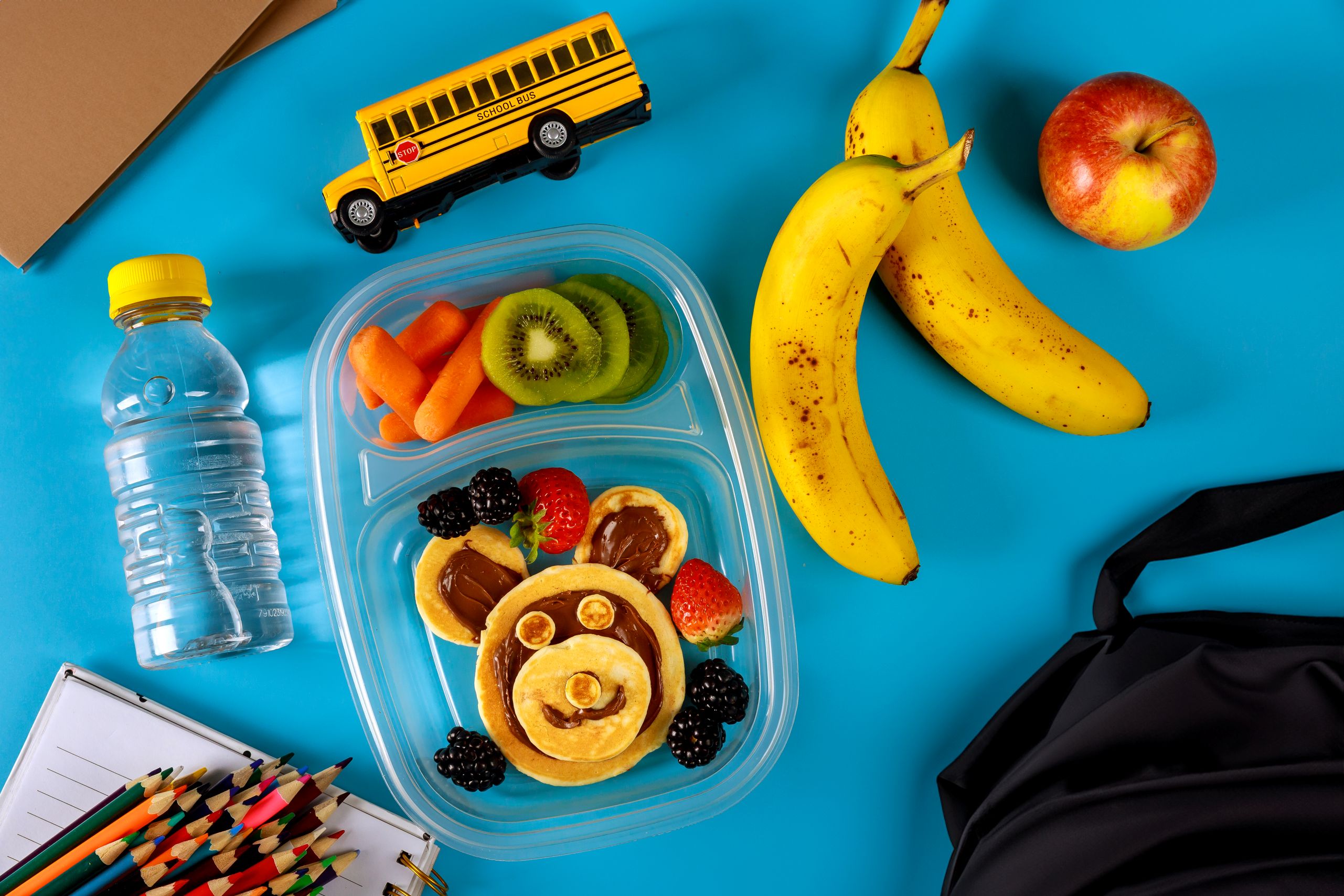
Back to School: How to Pack a Zero‑Waste School Lunch
school-lunch-box-with-pancakes-vegetables-and-fru-2025-01-09-18-44-12-utc

School is back in full swing across Connacht. The early alarms, the new timetables, the school runs – they’ve all returned. And so has the daily question: what’s going in the lunchbox? If you’ve found yourself reaching for the same packaged snacks and juice boxes again, you’re not alone.

But there’s a better way. It’s not about perfection. It’s about small, practical swaps that can lighten the bin and brighten your child’s day. Welcome to the joys of a zero‑waste school lunch.

A zero‑waste lunchbox isn’t about being perfect or overhauling your whole routine. It’s about reducing packaging, using everyday reusable items, and lowering waste without extra hassle. It’s a small change with a big impact on our local environment, and it helps families save time and money as the school term gets busier.


Why Zero‑Waste Lunches Matter (Especially Here in Ireland)


Less landfill, more green
In Irish classrooms and homes, food and packaging waste go hand in hand. In fact, almost 30% of all food produced in Ireland ends up as waste, and schools are one of the biggest contributors. Cutting down lunchbox waste is one of the simplest yet most powerful ways to tackle this.

Boost healthy habits and awareness
Opting for reusable containers, beeswax wraps, or stainless-steel bottles doesn’t just help the planet. It also opens up conversations with kids about the environment, personal responsibility, and smarter choices. It’s a brilliant opportunity to teach sustainable habits now that the school year is underway.

Save money over time
Those cling film rolls and juice boxes add up. Investing in durable, reusable gear may cost a little upfront, but over a term or a year, your wallet (and the Earth) will thank you.


5 Simple, Sustainable Lunchbox Swaps

1. Ditch the disposables

Swap cling film, foil, and cereal bars in plastic wrappers for reusable lunchboxes, beeswax wraps, or stainless containers. These durable swaps pay for themselves over time. They’re eco‑friendly and wallet‑friendly.

2. Skip single-serve drinks

Instead of juice boxes or pouches, fill a refillable water bottle or stainless-steel drinks flask. You’ll cut plastic waste and avoid those tiny cartons cluttering the bin.

3. Use cloth napkins and reusable cutlery

Swap paper serviettes and plastic forks or spoons for cloth napkins and reusable cutlery. They’re charming, practical, and much kinder to the waste bin.

4. Think bulk, prep smart

Buy yoghurt or snacks in family-size containers, then portion them into reusable pots. Prepping over the weekend? Batch-make snack packs to cut down prep time during busy school mornings.

5. Get kids involved and realistic

Ask them what they’ll actually eat, not just what looks appealing. Overpacking leads straight to waste. Involving children in packing also makes them more likely to eat and care about their lunch. Plus, it’s a lovely bonding moment before the school run.
 

group-of-kindergarten-students-eating-food-lunch-b-2025-02-10-13-37-56-utc

A Practical Zero‑Waste Lunch Routine

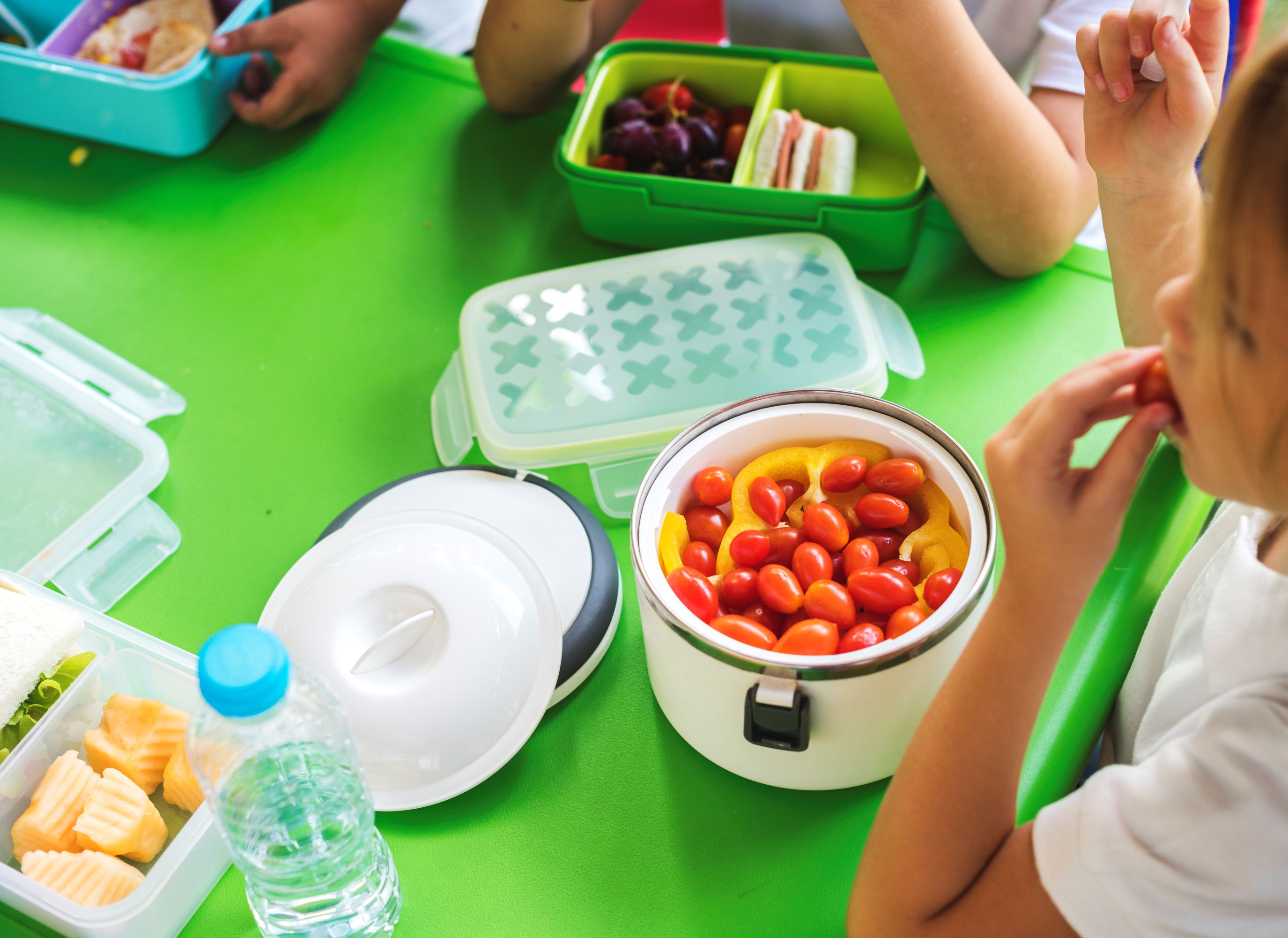
  • Prep Ahead: Soak and wrap food in the evening. The morning rush is already full enough.
  • Mix it Up: Pair sandwiches with chopped fruit, homemade granola, or a small salad in reusable containers. Variety means less waste and less nagging.
  • Storage Savvy: Use a cooler bag or ice block if needed to keep perishables fresh.
  • Leftovers-Friendly: Choose leak‑proof containers. Leftovers come home as feedback, not landfill fodder.
  • After-School Chores: Let kids rinse and repack their containers. It makes the next day easier and builds life skills.


A Lighter Bin, A Healthier Mindset

We’re a few weeks into the school year, and now is the perfect time to reset the routine. Some days you’ll nail it. Others, convenience might win. That’s completely fine. The aim isn’t perfection. It’s progress.

By taking a few steps towards a zero‑waste school lunch, you’ll start to notice:

  • Less clutter
  • Lighter bins
  • More nutritious, homemade meals going inside

That’s a win for your child, your wallet, and our planet.


Let’s Keep Connacht’s Lunches Greener

A zero‑waste school lunch is about as simple and impactful as eco-action gets. Just a few smart swaps, rooted in local habits, with real benefits in affordability and sustainability. At Barna Recycling, we’re here to support Connacht families in making the rest of this school term cleaner, greener, and more mindful.

Ready to reduce your household waste even more? Sign up for smarter waste services now.
2025 Hacks: Mastering Household Waste Disposal

household waste disposal tips

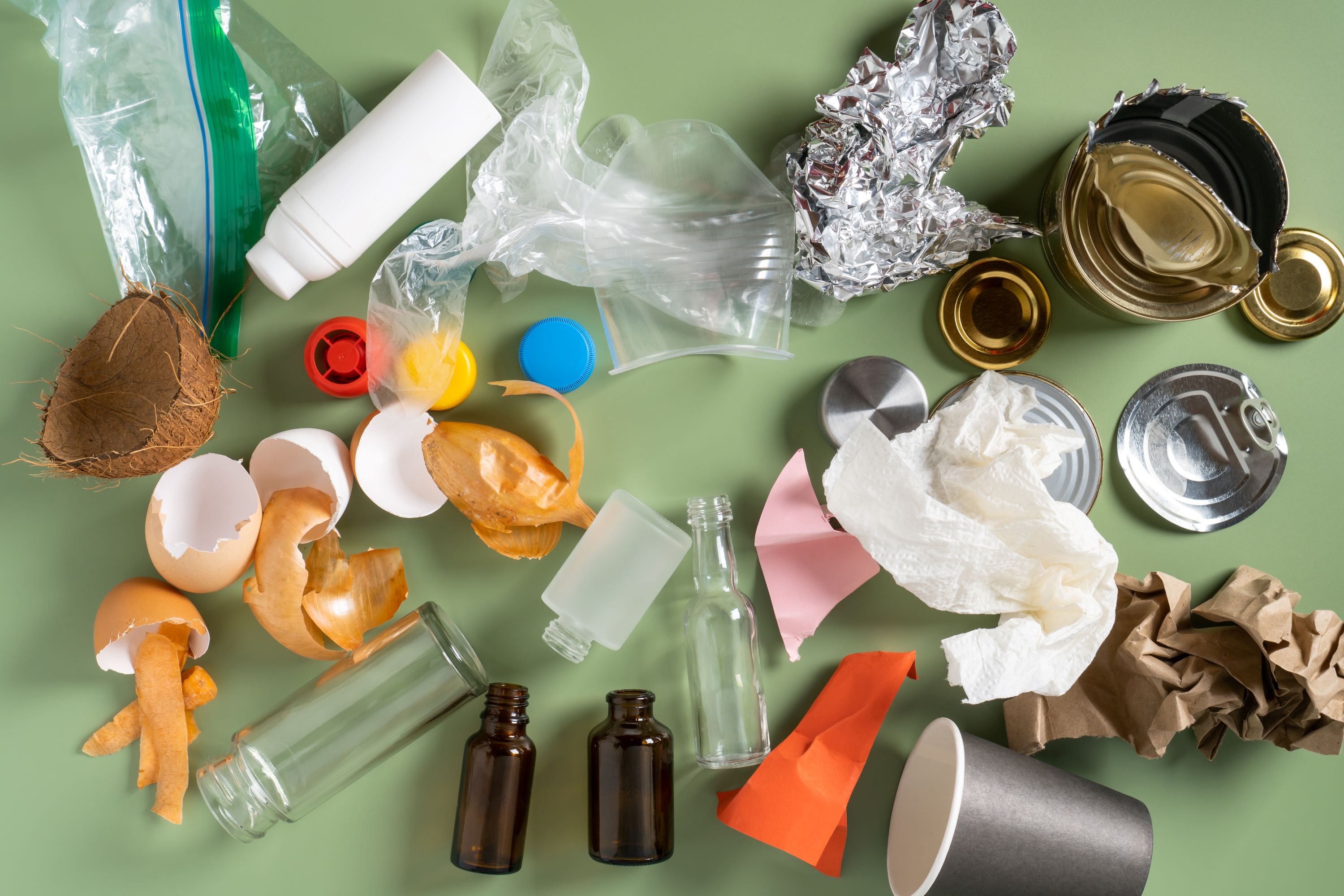
As we enter 2025, mastering household waste disposal is not just a responsible choice but a necessity for a sustainable future. Understanding the different types of waste streams is the first step towards successful household waste management. Waste classification into organic, recyclable, and non-recyclable components sets the foundation for effective disposal techniques. 


What is considered household waste?

The waste produced in households and similar waste produced by businesses is also called municipal waste or Municipal Solid Waste (MSW). Household waste is a diverse category encompassing general, recyclable, and organic waste collected directly at kerbside and back doors or brought to waste collection centres like banks, civic amenity sites, and pay-to-use compactors.

According to Ireland’s Environmental Protection Agency (EPA) last report, in 2021, out of a substantial 1.84 million tonnes of household waste that were generated in the state, 1.81 million tonnes was managed. However, an estimated 25,700 tonnes remained unmanaged, emphasising the need for continued investments in waste management solutions to address this issue.

Although MSW accounts for just around 10% of total waste generated across the EU, it is difficult to manage since it comprises several streams, including general waste, mixed dry recycling, and organic waste, as well as a high number of producers.


Disposing of daily household waste

Every household is entitled to a general and a recycling bin from a waste collector. If a customer lives in an area of 500 people or more, they are entitled to general, recycling and organic waste bins. Waste collection providers usually have a colour-coded system for separating household waste. For example, we have black, blue, and brown bins at Barna Recycling.

Even though bins are colour-coded, and customers are provided with information regarding household waste disposal management, contamination of bins is still a big issue, with recent Environmental Protection Agency (EPA) figures indicating that 20% of the material in household recycling bins should not be there, and significant 70% of the material in general waste bins from the commercial sector should be in recycling or organic bins.

This translates into a substantial loss of resource value—a costly oversight for households and businesses. However, proper waste segregation can be the solution to lower waste charges and safeguard investments in local treatment capabilities. 

TIP: Ensure you maximise the space in your bins by breaking down waste before you put it in. This is especially important for the recycling bin. Cardboard boxes and packaging can quickly take up a lot of space, so be sure to break down bulkier items. Remember that overflowing bins or items left out beside your bins may not be taken away. 

**If your bin is overflowing well in advance of your collection day, call the Barna Customer Care Team on 091 771619 to discuss your options.  


How to reduce household waste

household waste disposal and recycling

The journey to waste reduction begins with intentionality. Mindful consumption requires deliberate choices—purchasing only what is needed, prioritising quality over quantity, and avoiding items with excessive packaging. A discerning approach to shopping can curtail waste before it even enters the home.

By addressing waste at its source and adopting sustainable practices, households can become bastions of environmental stewardship. This collective effort safeguards our immediate surroundings and the planet at large, creating a legacy of sustainability for generations to come. Here are a few simple tips to help you get started with waste reduction:

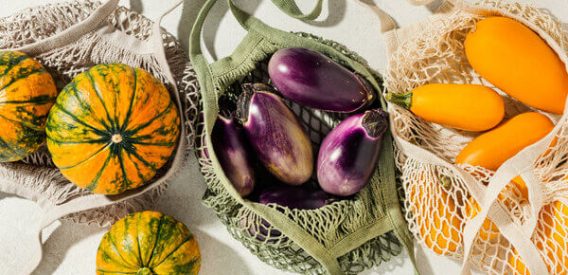
  • Use reusable shopping bags
  • Make a weekly meal plan and shopping list
  • Avoid produce that’s wrapped in plastic
  • Support your local farmer
  • Start composting at home
  • Avoid single-use plastic
  • Replace your soap bottles with bars
  • Buy second hand
  • Switch to digital documents


How to dispose of household hazardous waste?

disposing off hazardous waste

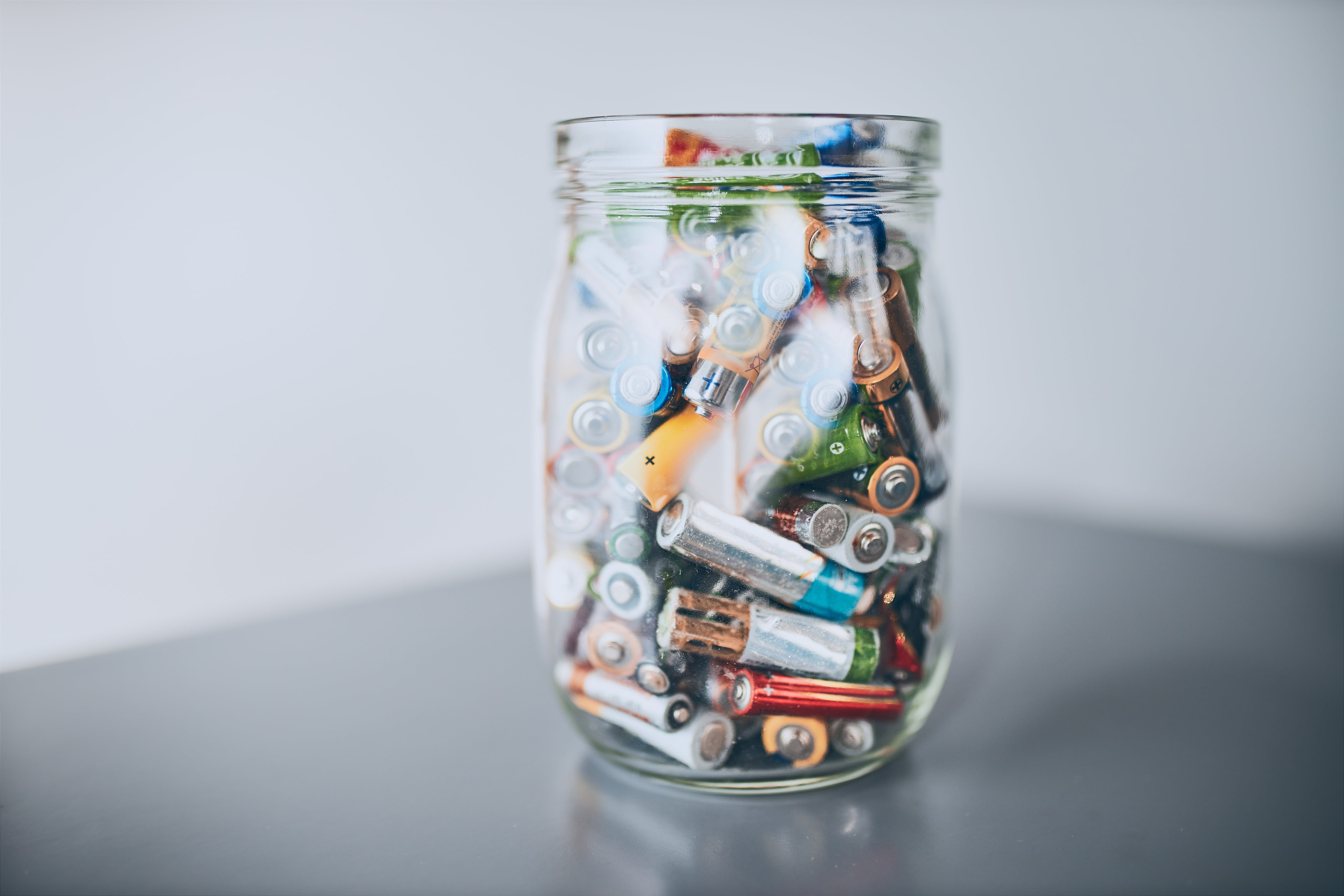
Embarking on the journey of proper household waste disposal begins with a critical first step – the identification of hazardous waste lurking within the confines of your home. Everyday items take on a hazardous identity, the most common being pesticides, batteries, fluorescent light bulbs, paints, solvents, and various cleaning agents. 

The key is not just recognition but the meticulous segregation of these potentially harmful materials. You can either find a local drop-off location like our Civic Amenity Centres – see items accepted – or, depending on the case, bring the item back to the place where it was purchased. You can also check EPA’s guide to hazardous waste prevention.

Some hazardous items include:

  • Waste Paint/ Paint Thinners/ Strippers
  • White Spirit Creosotes
  • Adhesives/Glues
  • Aerosols Waste
  • Antifreeze/Coolants
  • Bleaches
  • Chemicals with Identification Labels
  • Cleaning Agents
  • Detergents
  • Engine Oils
  • Epoxy Resins
  • Herbicides/ Pesticides
  • Medicines
  • Pharmacy Waste
  • Silicones

TIP: Since batteries cannot be disposed of at home, you must bring them back to the place where they were purchased or to a Civic Amenity Site. Electrical items such as chargers also need to be disposed of correctly. They need to be returned to where they were purchased or should be brought to a WEEE drop-off recycling point or your local Civic Amenity Site to be disposed of. Learn more about how to dispose of WEEE the right way


Household waste recycling centres

A recycling centre, also known as civic amenity site, is an EPA-licensed drive-in facility fully equipped and designed to recycle a wide range of household products. These facilities take bagged household waste, food waste, and bulky items, such as furniture, for disposal.

Not all types of hazardous waste are accepted in these centres, so for details on the types of waste material accepted and any charges that may apply you should check with the waste collection provider.

You can learn more about Barna Recycling’s Recycling Centres here. 


Ready to master household waste disposal and lower your costs with waste management in 2025?

Mastering household waste disposal in 2025 goes beyond individual actions—it’s about embracing a holistic approach that entails conscious consumer choices, including a waste collection provider that helps you navigate the challenges of waste management for a more sustainable future.

Barna Recycling is Connacht’s leading provider of waste management services, providing a professional, reliable and environmentally friendly service. Join Ireland’s number one environmentally friendly waste collection provider and enjoy the peace of mind that we will recycle what you throw away. 


References:

Household Waste Statistics for Ireland, Environmental Protection Agency. https://www.epa.ie/our-services/monitoring–assessment/waste/national-waste-statistics/household/#:~:text=Household%20waste%20includes%20general%20waste,pay%2Dto%2Duse%20compactors.

A Waste Action Plan for a Circular Economy – Ireland’s National Waste Policy 2020-2025, Government of Ireland. https://www.gov.ie/pdf/?file=https://assets.gov.ie/86647/dcf554a4-0fb7-4d9c-9714-0b1fbe7dbc1a.pdf#page=null

Disposal of Waste Items

waste management services connacht

Christmas is now over, and the new year is well underway here at Barna and for all of our customers. According to the Independent.ie, two in five people say they began shopping online for the first time at the start of the pandemic. The five most popular online purchases are clothing, food for take-out and delivery, footwear, consumer electronics and home entertainment.

In this blog we look to help with the disposal of waste items, looking at how to maximise space in your household bins, how to reduce waste shopping and food waste recycling.

Read more

The Food Waste Charter Initiative

The Irish Government has launched a new food waste initiative to halve the food waste dumped here every year by 2030. This initiative was put in place by Minister for Communications, Climate Action and Environment, Denis Naughten.

The initiative includes leading retailers, who will be asked to agree changes in policy and practice that have an impact on cutting down food waste. According to the Indpendent.ie ‘around 40% of wastage comes from food production, while 60% comes from the household and commercial sector.

Read more

‘Stop Food Waste’ Campaign

In a recent article by the Farmers Journal, figures show we are generating over 1 million tonnes of food waste per year. The Minister for Communications, Climate Action and Environment, Denis Naughten said that out of the 1 million tonnes of food waste produced in Ireland each year, 40% comes from food production, 34% from the commercial sector and 26% from households.

Read more

How to Help Reduce Illegal Dumping

Illegal dumping continues to be a big issue in Ireland and according to the Irish Times, Minister for the Environment Denis Naughten said that illegal dumping “remains a problem effecting too many communities in Ireland”. The three R’s, ‘Reduce, Re-use, Recycle’ is an obvious solution to decrease the level of illegal dumping in our country.

Read more

Help! What Goes in My Brown Composting Bin?

We get asked this question a lot so we decided to answer it in today’s blog post. A general rule of thumb when it comes to composting is that anything that was once living can be composted.

Click here to visit our handy guide which lists the items you  can place in your Barna Recycling Brown Bin.

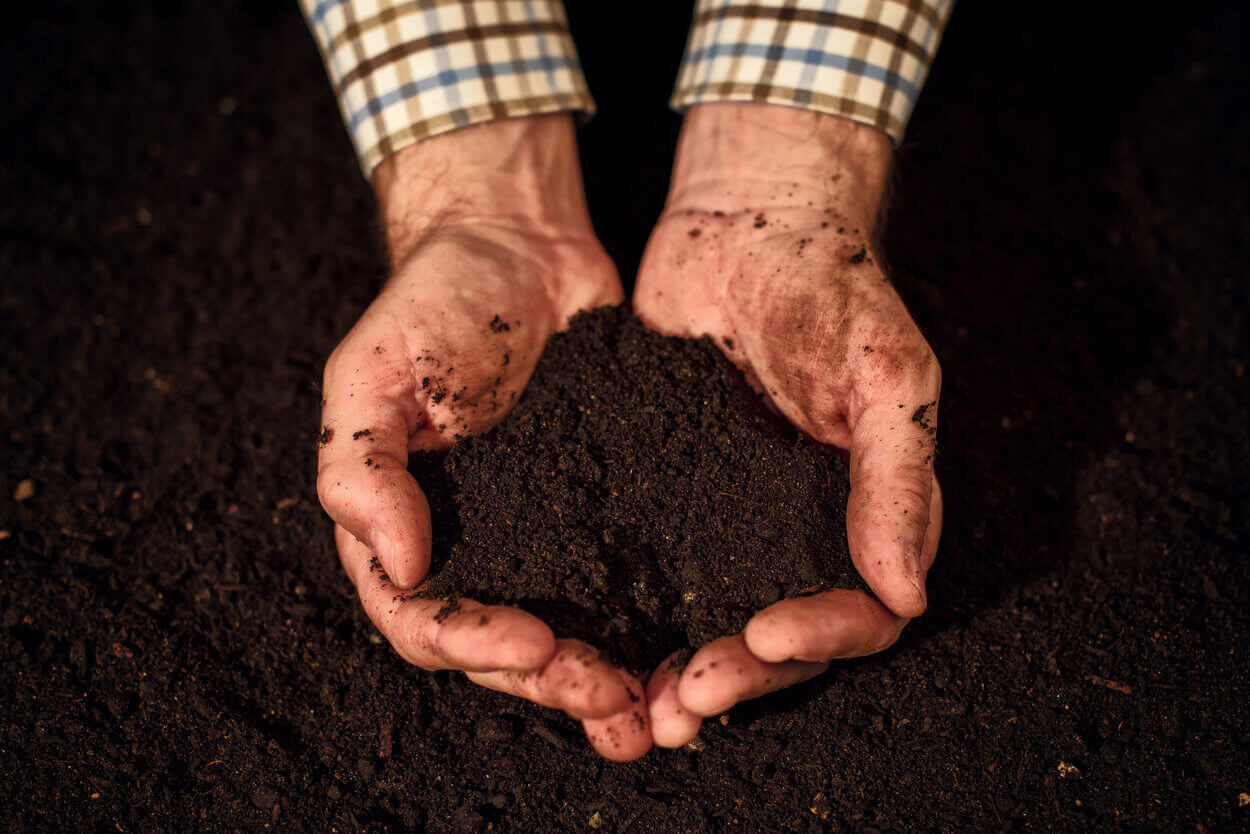
The contents of your brown bin is taken to our purpose built composting facility with the capacity to manage 40,000 tonnes of organic waste annually. Here the waste is processed into compost for use as a natural, high quality fertiliser for use by farmers and horticulturalists.