Recycling

How Technology Can Help You Reduce Waste

waste reduction using technology

From food waste to single-use products, the need for adopting more sustainable practices has become even clearer with all the environmental challenges we’ve faced in the past years. 

Like in other aspects of our daily lives, technology has played an important role in helping people become more conscious regarding waste disposal. Waste reduction apps are emerging as powerful tools for individuals and communities to minimise waste generation, promote recycling, and adopt more sustainable practices. More than only making waste reduction more accessible, these digital solutions also encourage a shift in mindset towards responsible consumption.

Let’s look into the apps making waves in waste reduction, showing how simple technology can catalyse significant environmental change.


Top Waste Reduction Apps and How They Work

From food to household items,  the vast array of waste-reducing apps available can help users tackle various forms of waste in daily life.

Apps for Food Waste Reduction

Food waste is a major contributor to landfills, and two leading apps are addressing this issue with innovative approaches.

  • Too Good To Go: On this app, restaurants, cafes, and bakeries list leftover food that would otherwise be thrown away. Users can then browse the map for food near them and pick up a ‘magic bag’ for a fraction of the original retail cost. You can register for free and specify your dietary requirements.
  • Olio: Designed to foster a local sharing economy through community sharing as the app lets users offer surplus food and household items to neighbours. By fostering a local sharing economy, Olio helps households minimise waste.

Apps for Secondhand Shopping and Reuse

Encouraging a circular economy, these apps connect individuals to give used items a second life.

  • Depop: Popular among young consumers, Depop is a fashion resale app where users buy and sell secondhand clothing. By reducing the demand for new fashion production, Depop aids in cutting down the carbon footprint associated with the industry.
  • Nuw: Founded by Irish entrepreneur Aisling Byrne, Nuw turns fashion into a currency: you upload an item, earn coins, and use these coins to redeem a “nuw” piece.


Benefits of Using Waste Reduction Apps

waste reduction mobile app

The positive impact of waste reduction apps extends beyond environmental benefits; they also provide economic and educational advantages.

When waste is minimised, there’s less need for new resources, leading to a more sustainable environment. Moreover, some waste reduction apps save consumers and businesses money by providing discounted surplus goods or encouraging the reuse of items. 

Waste reduction apps also empower consumers by providing knowledge on sustainable practices. Through app notifications, tips, and interactive features, consumers become more informed about environmental issues and motivated to make eco-friendly choices daily.


Take an Important Step Towards Sustainability

Barna Recycling is Connacht’s leading provider of waste management services, always providing a professional, reliable, and environmentally friendly service. All this ensures that customers enjoy the peace of mind that we will recycle what they throw away, lowering the cost to our customers and the environment.

Our household mobile app helps our customers optimise their waste disposal, offering numerous benefits and key features that go beyond simply allowing them to see their bin collection history.

Not a Barna Recycling customer yet? Join today and partner with your number one environmentally friendly waste collection provider.

Barna’s Guide To Sorting All Types of Domestic Waste

waste management

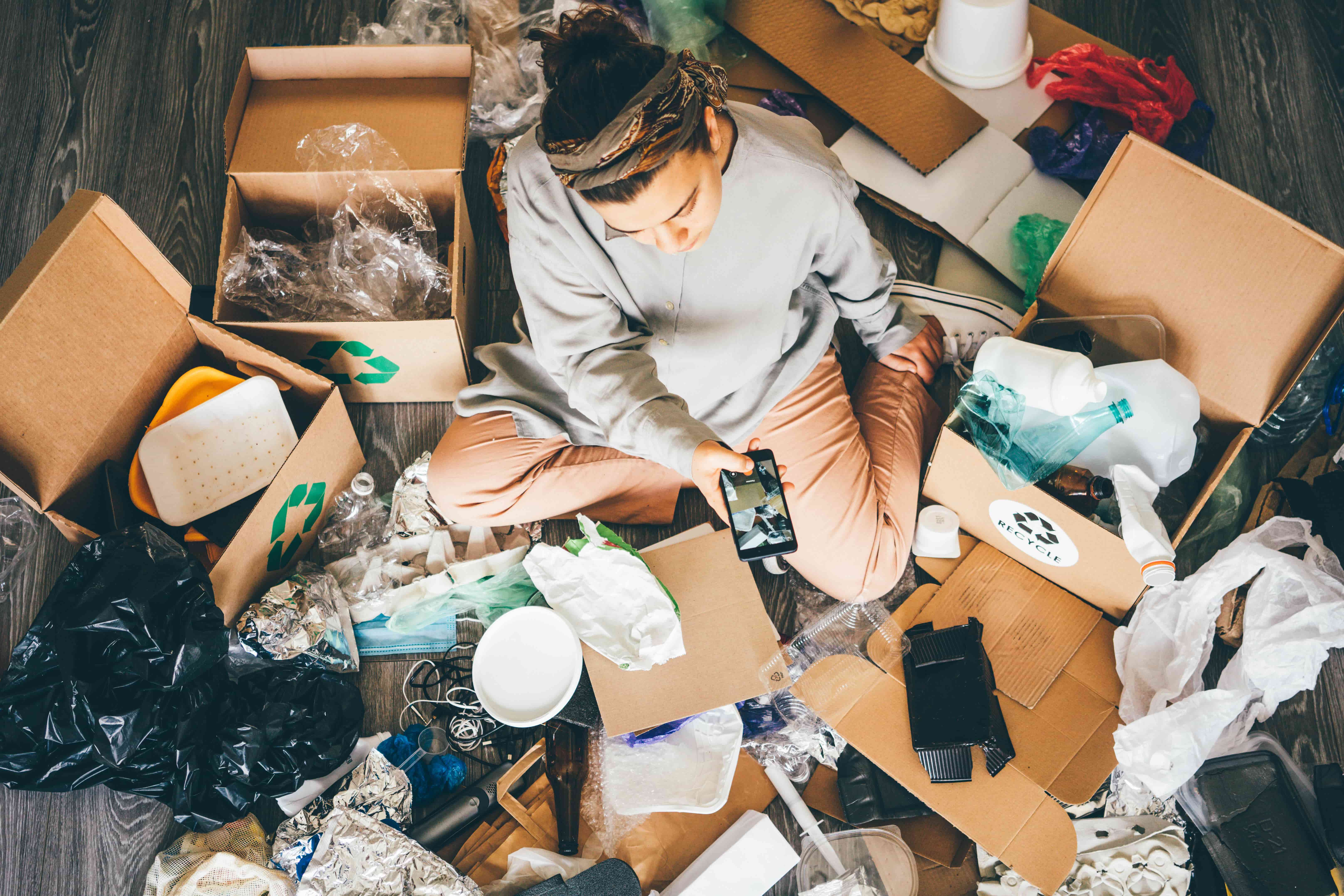
Decluttering your home during any season can be a daunting task, especially when you’re not sure how or where to dispose of the different types of domestic waste.

From clearing out the massive mess in the shed, old clutter in the attic, sorting through unused clothing, old blankets, bedding and old books, there is no better time than NOW now to deep clean your home inside and outside.
 
Experience a seamless and stress-free clear-out with Barna Recycling’s top tips to help you understand what to do with the different types of domestic waste from your home clear-out. 


Understanding the Types of Waste Accumulated at Home

Efficient waste sorting is key for responsible disposal. It not only streamlines the process but also contributes significantly to environmental conservation.

General Household Waste

General household waste spans a broad spectrum, from everyday disposables to non-recyclable plastics. Recognising and categorising this waste is the first step in crafting an effective sorting strategy. If you are struggling to understand what plastics are(n’t) recyclable, you can check out our blog: Steps to Follow when Disposing of Plastic Packaging Waste

Hazardous Materials

Hazardous items can hide undiscovered among the many types of domestic waste. These pose a substantial risk to both human health and the environment. Identifying and safely disposing of such materials is imperative during clear-outs. It is always a good idea to cross-reference Barna’s colour bin guide to understand what waste items should be disposed of in your blue, black or brown bins!

Electronic Waste

The digital age has given rise to a new challenge – electronic waste. Understanding the components of electronic devices and their potential environmental impact is critical for correct and safe disposal. Read our blog on electronic waste to learn more about responsibly disposing of waste electrical and electronic equipment (WEEE).


Domestic Waste Disposal Solutions: The 3 C’s

If you are confused about where to start with your domestic waste disposal and what the correct disposal solutions are, it is useful to create a list that will act as a step-by-step guide to clearing out your home! To better remember the necessary steps for correct waste disposal during your home clean-out, remember to check Barna’s 3 C’s off your list: 1) Colour-coding 2) Civic Amenity Site 3) Compositing

waste management ireland

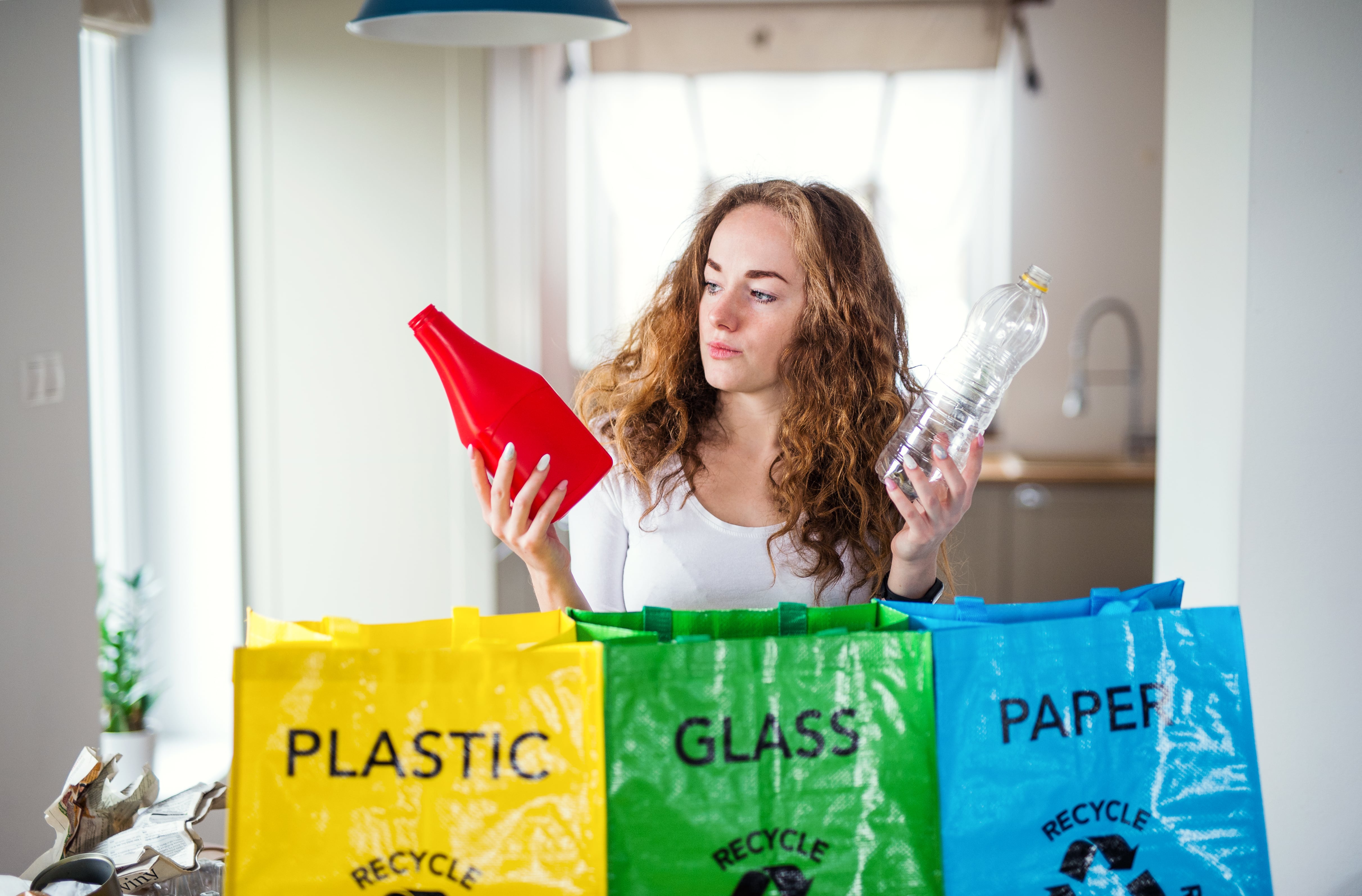
  1. Colour-Coding: Make Correct, Responsible Use of The Designated Bins

Correctly sorting your household disposal and using the designated bins for the different types of domestic waste is the first step to ensure an effective home clear-out. Ensure you separate hazardous materials and electronic waste. 

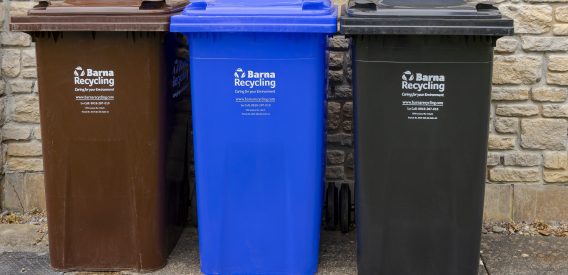
Not sure about what goes in Barna’s brown, blue or black bin? See what goes in each Barna Recycling bin.


  1. Civic Amenity Sites: Utilise Your Local Recycling Centres

Collaborating with local recycling centres facilitates the responsible disposal of recyclable materials. Barna Recycling’s purpose-built Civic Amenity Sites can assist you greatly when clearing out your home. With seven civic amenity sites across Connacht, we collect a large variety of non-hazardous and recyclable household waste at a reduced cost.

Here are some of the benefits of using one of Barna Recycling’s civic amenity sites.

  • They are cost-effective and cheap to use.
  • Accept a wide range of items, including hazardous materials.
  • They are clean, local, and easily accessible.
  • Open on weekends to make them more accessible to all.
  • They are well laid out and marked for each waste material.
  • Cater for small and large deliveries in the exact location.
  • Provide WEEE and Glass Bottle services free of charge.
  • Cater for small and large deliveries in the exact location.


  1. Composting: Practise Better Organic Waste Management Habits

Integrating composting into household waste management significantly reduces the environmental impact of organic waste. Composting not only diverts waste from landfills but also produces nutrient-rich compost for soil enrichment. Check out Barna’s useful blog to guide you through better Ways To Recycle Food Waste.


More on Barna Recycling’s Sites: Types of Domestic Waste We Accept

Old Blankets, Bedding & Mattresses: Some of our civic amenity sites will also accept any type of clothing, footwear and textiles, however, an extra charge will apply for disposing of bedding and mattresses.
 
Books: As a rule of thumb, books should be placed in the household recycling bin, however, if you have a large volume of old books, phone books, newspapers, and magazines, you can dispose of them at some of our local civic amenity sites.
 
Electrical Items: You can bring unwanted electrical waste, more commonly known as WEEE (Waste Electrical and Electronic Equipment), such as Computers, Monitors, Mobile Phones, Electronic Toys, Game consoles, Speakers, Headphones and electrical appliances to your local amenity site to dispose of such items free of charge.


Old Swing Sets & Garden Furniture: If you have an old garden swing or garden furniture still in working condition, you could consider selling it, passing it on to someone else or donating it to local charity shops. If they require disposal because they are no longer fit for purpose, you can bring them to your nearest local civic amenity site. Most wood, metal, and plastic furniture are all widely accepted and recycled at civic amenity sites. Read our blog on bulk waste disposal.

Remember that the household waste byelaws in Ireland oblige every household to use a waste collector or regularly use a civic amenity site or recycling centre.

Need more information on where to dispose of certain items or order a skip? Give us a call today at 091 771619 or fill in our Contact Us form.

Best Ways to Get Rid of Garden Waste in Ireland (Everything You Need to Know)

garden waste clearance

Summer is here, and it’s the perfect time to tidy up your garden and outdoor spaces. Ireland is currently experiencing a prolonged period of warm weather, with temperatures reaching up to 25°C in some areas. This “mini-heatwave,” as described by Met Éireann, is expected to last for a good few days, bringing sunny conditions and minimal rainfall.

This extended dry spell has implications for garden maintenance and waste disposal. Gardeners are advised to conserve water due to very low soil moisture levels, which could affect plant health. Additionally, the dry conditions increase the risk of fires, making it crucial to dispose of garden waste responsibly and avoid burning debris. So, whether you’re trimming hedges, mowing the lawn, or clearing out dead plants, knowing how to dispose of garden waste responsibly is key.

With the warm weather encouraging outdoor activities, it’s an ideal time to address garden waste. In this guide, we’ll explain the best ways to get rid of garden waste in Ireland, from where to recycle it to whether you can use your black bin for garden waste. A clean, organised garden not only looks great but also enhances your outdoor enjoyment.

Read on to discover how to manage your garden waste sustainably while keeping your outdoor space tidy and eco-friendly.


What is ‘Green’ Garden Waste?

The term “green” garden waste refers to organic materials generated from routine maintenance activities. Proper garden waste management is not only necessary for a well-kept landscape, but it’s also a contributor to environmental sustainability. ‘Green’ garden waste is biodegradable, which means that it can be broken down by natural processes, and consists of:

  • Plant trimmings and pruning
  • Lawn clippings
  • Leaves and twigs
  • Flower cuttings and deadheads
  • Vegetable and fruit scraps

Recycling garden waste in the right way provides numerous benefits, including:

  1. Producing compost, a valuable fertiliser for your garden.
  2. Reducing disposal costs while creating useful products.
  3. Minimising waste that would otherwise be sent to landfill.

However, some items need special disposal methods as they can’t be composted or recycled in the same way:

  • Stones or gravel
  • Concrete
  • Dirt or rocks
  • Animal waste
  • Treated or painted wood
  • Glass
  • Metal
  • Soil


Best Ways to Get Rid of Each Type of Garden Waste


Green Garden Waste Disposal and Where to Recycle Garden Waste

Understanding and effectively managing green garden waste is crucial for maintaining a healthy garden and promoting environmental sustainability. If you’re looking to manage your green garden waste effectively, there are several options available:

  • Composting at home is one of the best ways to get rid of garden waste. By composting at home, you can transform organic waste into nutrient-rich compost, perfect for your garden. Here is a helpful guide to get you started on composting.
  • Grass Recycling. When mowing your lawn, you can leave the grass clippings on the ground to decompose naturally. Once on the ground, these break down quickly, returning nutrients like nitrogen back to the soil.
  • Brown Bin. In most areas of Ireland, green garden waste can be placed in your brown bin for collection. Check our guide to organic waste management for more details on what can go in your brown bin.
  • Civic Amenity Sites. Alternatively, you can bring large volumes of your green garden waste to our Ballinasloe, Carrowbrowne and Cartrontroy Athlone recycling centres.


Garden Chemicals & Liquids Waste Clearance

best ways to get rid of garden waste disposal

Garden chemicals and liquid waste include weed killers, petrol/fuel for your lawnmower, pesticides and herbicides, fertilisers, and some plant foods. It is essential to store and dispose of these items correctly since some can be hazardous and harmful to the environment. Always follow the instructions on the product label. Here are some key tips:

  • Always try to use Garden Chemicals in full as opposed to having to dispose of leftovers. Be sure to get in-store advice on how much you need beforehand so that you are only buying as much as you need and not overstocking/overusing.
  • While purchasing these items, consider the recyclability of the packaging and see if environmentally friendly alternatives are available.
  • When storing these items, be sure to retain all original packaging and labelling, so you are aware of any expiry or use-by dates. This will assist in disposing of the item correctly.
  • ALWAYS remember that liquids of any kind should NOT be included in your general waste bin.
  • ALWAYS remember NOT to mix chemicals for disposal under any circumstances, no matter how small the quantity. This can lead to the emission of toxic gases, which can be highly lethal and could lead to hospitalisation.
  • Alternatively, you can also check with your local civic amenity sites to see if they accept chemical items as part of their hazardous waste services. Please be sure to check our website for the complete list of items accepted at your nearest centre.
  • If the civic amenity site cannot take the item, contact a specialist hazardous waste company that may collect the item from you directly.

Note: Always avoid putting garden chemicals in your general waste bin.


Disposal of Old Garden Furniture and Swing Sets

If you have old garden furniture or a swing set, there are a couple of disposal options available:

  • Reuse or Donate: If the furniture is in good condition, consider selling or donating it to charity shops.
  • Recycle at Civic Amenity Sites: Many civic amenity sites accept wood, metal, and plastic furniture, recycling them responsibly.

Check out Barna Recycling’s list of civic amenity sites here.


Why Hiring a Garden Waste Skip Is a Great Option

When clearing large volumes of garden waste or undertaking significant garden renovations, renting a garden waste skip might be your best option. A garden waste skip will allow you to dispose of waste quickly and efficiently without having to make multiple trips to a recycling centre.

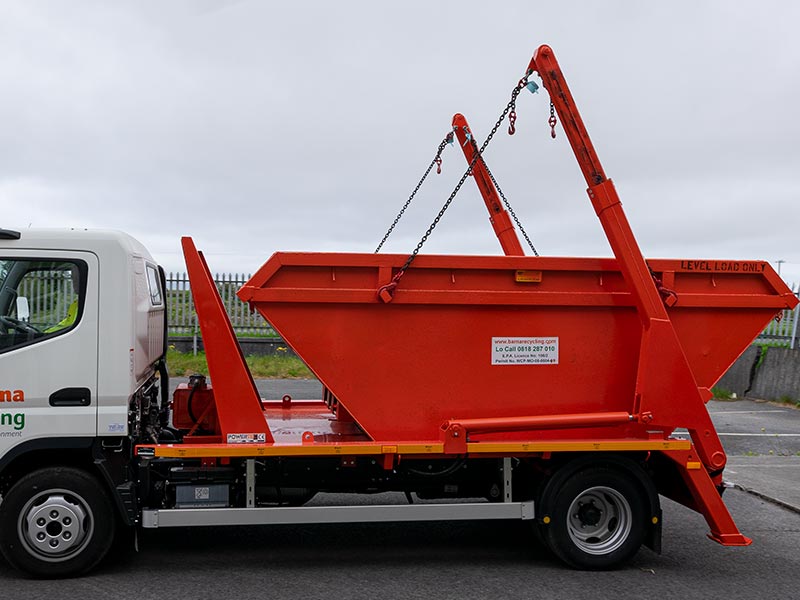
At Barna Recycling, we offer a variety of skip sizes to suit your needs. Whether you’re clearing debris, hedge trimmings, or soil, we’ve got you covered. For more information, call our skip team on 091-771619 or visit our website to book your skip today.


Say Goodbye to Clutter with Barna Recycling

Recycling garden waste materials promotes sustainability and reduces landfill waste. Utilising Barna Recycling’s civic amenity sites and applying our top tips on the best ways to get rid of garden waste can ensure responsible waste management while promoting environmental stewardship and maintaining the beauty of your outdoor space.

Join Barna Recycling today to start managing your waste the eco-friendly way!

Did you find this article helpful? Share it with your family and friends on Facebook or Twitter!

Top 7 Tips On How To Reduce, Reuse And Recycle At Home After The Holiday Season

Reduce, Reuse And Recycle At Home

The holiday season is the most awaited time of the year when we can relax, rest, and enjoy family time. However, during this period, waste volumes increase due to more grocery shopping, the giving and receiving of gifts, decorations and more. Thinking of how we can be more sustainable in 2023, we have highlighted top seven tips on reducing, reusing and recycling the holidays’ waste at home.


1. Household Bins

Ensure you maximise the space in your bins by breaking down waste before you put it in. This is especially important for the recycling bin. Cardboard boxes and packaging can quickly take up a lot of space, so be sure to break down bulkier items. Remember that overflowing bins or items left out beside your bins may not be taken away.

As a safety precaution, we always advise our customers not to leave boxes of expensive items, such as new TVs or game consoles beside their bins as this may encourage theft. If you do not have space for such boxes, bring them to your local civic amenity site, or store them in a shed or garage until you have sufficient room to put them in your bin.

If your bin is overflowing well in advance of your collection day, call the Barna Customer Care Team on 091 771619 to discuss your options. 


2. Christmas Trees

Real Christmas trees can easily be recycled or shredded into chippings and used in parkland areas. Artificial Christmas trees cannot be recycled but can be reused and donated to family, friends, or a local charity shop. If these are not possible, you can bring your artificial Christmas trees to a civic amenity site to dispose of. Find your nearest civic amenity site here.

An artificial Christmas tree is seen as a bulky waste item. It can be brought to your local civic amenity site (except our civic amenity site in Clifden) to be disposed of. Our civic amenity sites will also accept real Christmas trees. Find out more ways on how you can recycle or replant your Christmas tree.

A cool fact to know is that if a household reuses a plastic tree for up to five years, it’s carbon footprint will be smaller than a household that buys a real tree every year.


3. Decorations & Baubles

reduce reuse and recycle decorations at home

When taking down your decorations, some items may be broken and need to be disposed of. Often items that are deemed to be single-use items can be used again, so before you dispose of everything, take a minute to think if this could be used again next year. It is best to sort through your decorations as you are taking them down. Please note that any electrical items that contain a battery must also have the batteries removed before being disposed of or for safety reasons.

Items such as tinsel that can’t be used again can be placed in the general waste bin. Fresh wreaths can be put into your compost bin once you take off any non-compostable materials. Broken glass baubles need to be brought to the bottle bank, and lights and electrical appliances that no longer work can be brought to a WEE disposal site. Any decorations wholly made of metal should be brought to your local civic amenity site.


4. Holidays Cards

It is safe to place the holiday cards you received in your home recycling bin. These may not be recyclable if the card contains glitter or any bulky designs. Any plastic, paper or cardboard design materials are recyclable. Still, if it contains excess glitter, ribbons or homemade cards that contain glue, these cards must go in the general waste bin.


5. Wrapping Paper

The most important thing to note is that not all wrapping paper is recyclable. Any wrapping paper containing glitter, foil, or tape will have to go in the waste bin. The ribbon also goes in your general waste bin – or you can save it and reuse it again for wrapping presents next year.

Try and save any reusable pieces of wrapping paper and store them safely for next year. Save any gift bags that can be used again next year too. But be sure to take off any name tags from the bag!


6. Toys

Plastic toys can be brought to the civic amenity site. If the toys are in good condition, they can be brought to your local charity shop or donated to family and friends.


7. Batteries and Chargers

Hazardous battery waste

Batteries are still important for controllers and children’s toys. However, they cannot be disposed of at home. You must bring them back to where they were purchased or to a civic amenity site. Electrical items such as chargers also need to be disposed of correctly. They need to be returned to where they were purchased or brought to a WEEE drop-off recycling point or your local Civic Amenity Site to be disposed of. Click here for more information on how to dispose of WEEE the right way.


Lower Your Costs With Waste Management In 2023

Barna is Connacht’s leading provider of waste management services, providing a professional, reliable and environmentally friendly service. Join Ireland’s number one environmentally friendly waste collection provider and enjoy the peace of mind that we will recycle what you throw away.

Clothes Recycling: 5 Tips To Repurpose And Dispose Of Old Textiles

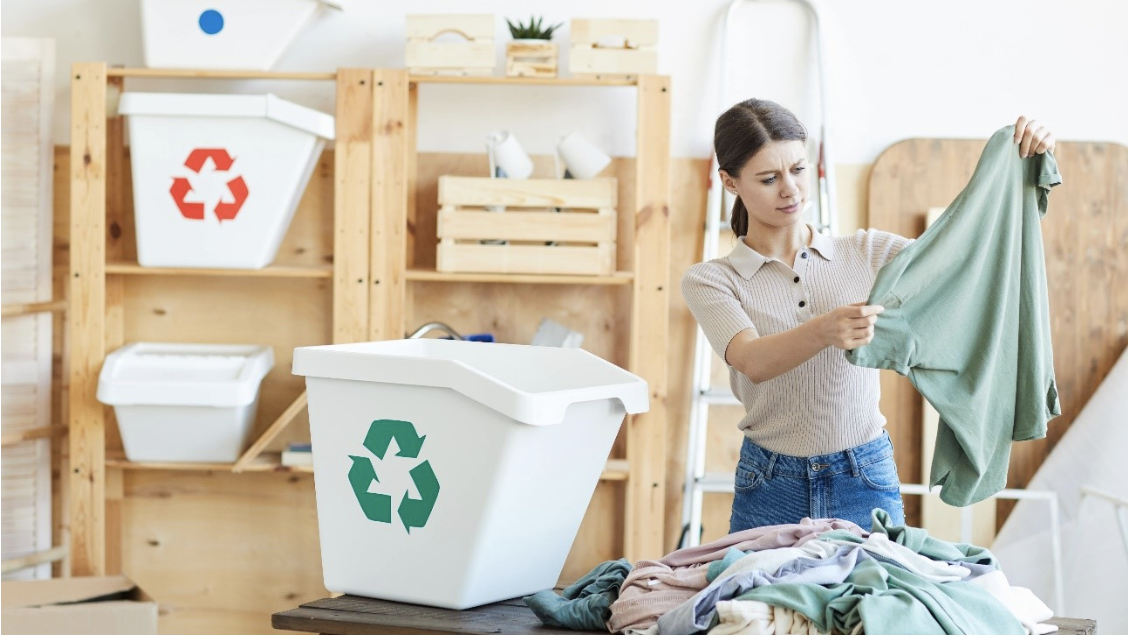
Textile and clothes recycling is not always on people’s sustainability radar. But now that you’ve managed to create a low-waste, eco-friendly bathroom, it’s time to finally get around to reorganising your bedroom to recycle & repurpose your used clothing, old mattresses & duvets.

Here at Barna Recycling we often find our customers wondering what to do with clothes that are old or no longer fit and textiles that have already seen their share of wear & tear. But don’t worry, we got you covered. There are plenty of sustainable solutions for repurposing, disposing, and recycling clothes and other old textiles, which we have outlined below. 


5 Tips For Clothes Recycling And Disposal


are clothes recyclable


1. Shopping Smart  

Firstly, it’s important to understand that the textile industry is the second largest contributor to global pollution (Source: mywaste.ie) Every piece of clothing you wear, or use has gone through a complex manufacturing process that uses a high amount of electricity, water, and other energy sources.

Unwanted textiles and clothes recycling & upcycling save energy by reducing or eliminating the need to make materials from scratch. Before you purchase a new piece of clothing, shoes etc, always think do I need it and will I wear it. 


 2. Pass/Swap/Hand Them Down 

Before you decide to dispose of or recycle the clothes and textiles that you no longer use or wear, consider passing them on to a friend or a family member if they might be interested in them. Remember to be honest about any damage and wash the clothes before you pass them along. There are also several online platforms that allow you to swap or re-sell your clothing, such as Facebook Marketplace & Depop to name just a few options available. 

Alternatively, you can also see if those closest to you are up for swapping a few items. Invite them over for a few drinks and get the party started. This way you are recycling clothes by giving them a new life & everyone goes home happy with some new pieces they can add to their wardrobe for free!  


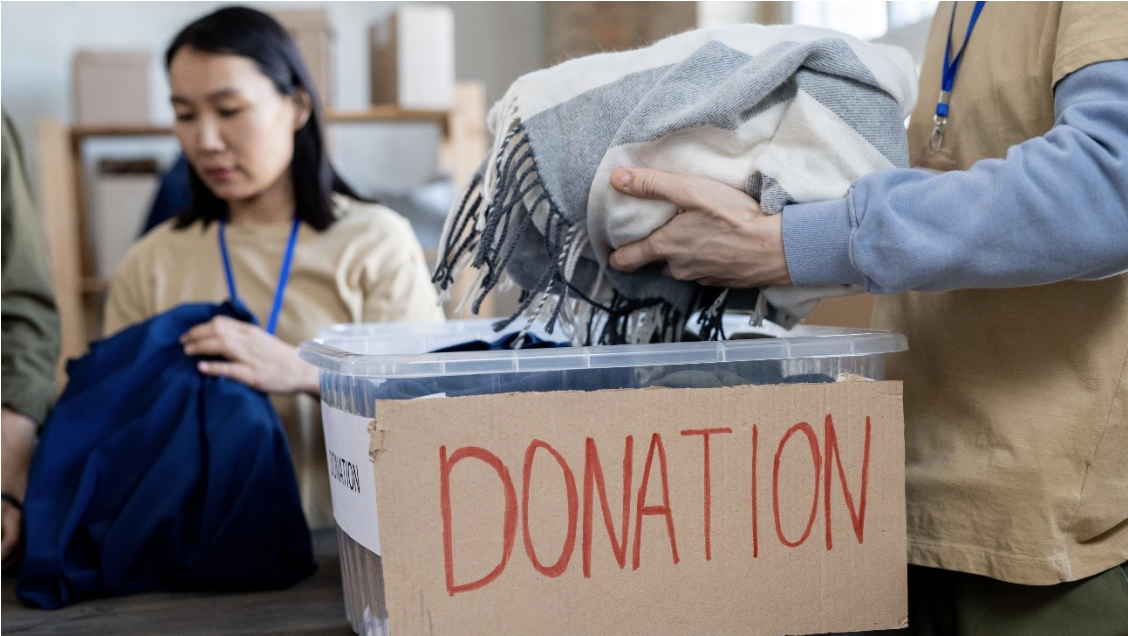
Clothes Recycling - Donation


 3. Donate To Charity

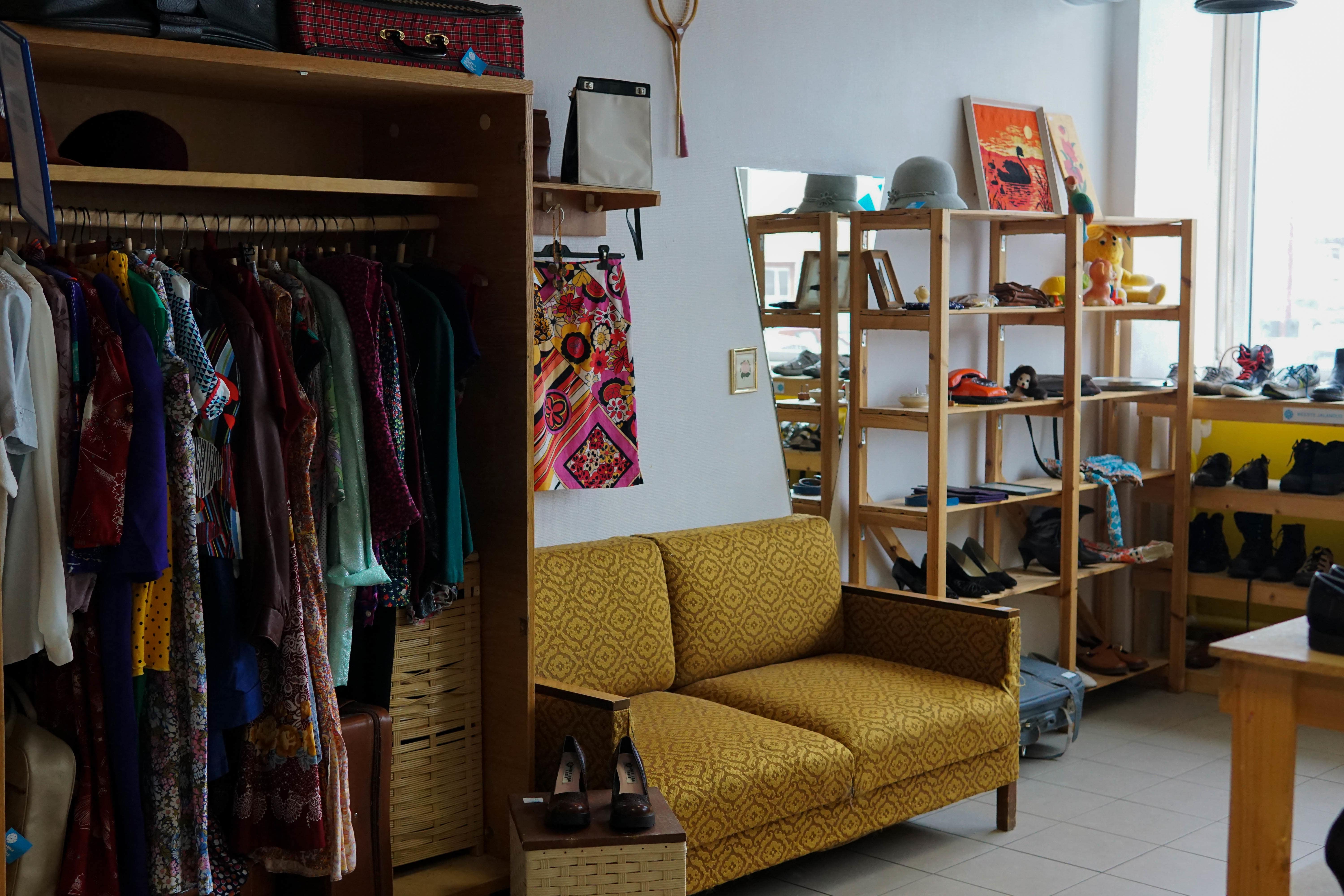
You can also donate clothes & textiles in good condition to local charity shops as there are often non-profits and charities that would be extremely grateful for your donation. Over 10 million garments per annum are handled via charity or second-hand shops. Using charity shops often means the sales from the clothing benefit causes in your local area or community.

Some organisations accepting clothing donations are Enable Ireland, Oxfam, NCBI, Society of St Vincent de Paul (SVP) and Liberty Recycling. The Irish Charity Shops Association website will help you to find your nearest charity shops & clothing banks near you. 

4. Transform & Upcycle – An Alternative Way of Clothes Recycling

You can transform clothes that are damaged, stained/have holes into new items such as face masks, tablecloths, cleaning cloths, blankets, padding for chairs, bags, t-shirts and so much more! Interested in alternative ways of clothes recycling? All it takes is a little creativity and vision. You can check out Pinterest or some DIY YouTube videos for inspiration. 


5. Civic Amenity Sites

If you feel you cannot do any of the above with large volumes of old textiles, you can always bring them to your local civic amenity site or clothing banks near you. Some of our civic amenity sites will also accept any type of clothing, footwear, textiles, including blankets at selected civic amenity sites. However, an extra charge would apply for disposing of bedding and mattresses. By disposing of your clothing & textile items correctly you are playing your part in making for a cleaner, greener environment.  


where can I dispose of old clothes


How Is The Process For Old Textiles & Clothes Recycling? 

  • After your clothes are collected from the various points the first step to clothes recycling is to segregate them into wearable and unwearable, or usable and unusable products. In most cases washing facilities are used to prepare the clothes for re-use of re-sale. 
  • Once the textiles are properly sorted, they are then pulled into fibres or shredded, which results in yarn. Depending on the end use of the yarn, other fibres may be added into the mix. It then is re-spun so that it can be reused, either by being knitted or woven. 
  • Any fibre that cannot be spun into yards is compressed into filling, such as insulation or textile filling inside of mattresses. 
  • If you’re recycling polyester-based textiles, these are granulated into polyester chips. The chips are then melted so that they can create new fibres for new polyester textiles. 
  • In recent years the most popular method of re-using clothes is charity shops or re-se second chance shops 


Top Barna Textiles & Clothes Recycling Tips: 

  • The big advantage of charity shops is not only are the clothes re-used and not treated as waste, and it also helps provide financial assistance to a particular charity. 
  • If dropping your unwanted clothes to a charity shop, familiarise yourself with other items they make take for upcycling or re-selling such as household goods, books, electrical items etc not all if these shops are dedicated only to clothes. 
  • When dropping off clothes always have a look at what’s for re-sale and help the charity by purchasing something on the same journey. 
  • Bedclothes, duvets are not always accepted by all charities check in advance of travelling. 
  • It’s important to point out clothes that are heavily soiled or damaged can still be taken in some banks and this should be checked in advance. 
  • Old clothing not able for re-use can still be put to good use by being shredded and re-used for things such as furniture stuffing.  


Now that you know there are plenty of sustainable options for old textile and clothes recycling and disposal, how about sharing these tips with your friends and family?

Barna Recycling’s Complete Moving House Checklist: Student Edition

With finishing exams season and the academic year ending, it is that time of the year again where students move back home for the summer months. At Barna Recycling, we understand that moving out can be very hectic especially when you are living in rented student accommodation.

A frequent practice by students is to bring home unnecessary waste and items that they will never use again after the academic year is over. So instead of having to bring all this waste back home in the car, it’s a good idea to do a complete clear-out of your student accommodation.

Below we provide some of our top tricks and tips for students and parents owners that will help you on moving day! Sometimes it is difficult to know where you can dispose of your rubbish, what to do with any books, exam papers and notes that you don’t want to see the sight of again. You are probably wondering where to put all the cans, glass bottles, traffic cones, election posters or any other mysterious items you may have collected throughout the year.

How can I dispose of my rubbish?

When moving out of your rental accommodation, it is difficult to know which waste items from your home clear out would go into your usual waste bins and what shouldn’t. You want to the leave the property as clean as possible as it was when you moved in.
This Newsletter will provide valuable tips and tricks for students and parents.

Students

  • Books & Papers: If you have old college books in good condition, you can donate them to the college library or request the student’s union to sell them on your behalf. Alternatively, you can pass them on to someone who has signed up to do the same course/subject in the upcoming academic year. If the books can’t be reused, you can put old books in your recycling bin.
  • Glass Bottles: If you need to dispose of glass bottles, visit your nearest bottle bank. However, make sure they are washed, dried, and separated into brown, clear or green glass.
  • Cans: once washed can go in your recycling bin too.
  • Clothes, Bedding & Mattresses: Any type of old clothing, footwear, textiles including blankets in unusable condition can be brought to your local civic amenity sites to be disposed off a reduced rate. Alternatively, clothes in usable condition that you no longer want can be given to siblings or friends, brought to a charity shop or your nearest, clothes bank.
  • Electrical items: You can bring unwanted electrical waste, more commonly known as WEEE (Waste Electrical and Electronic Equipment), such as Computers, Monitors, Mobile Phones, Electronic Toys, Game consoles, Speakers, Headphones and electrical appliances to your local amenity site to dispose it free of charge. Check out our blog to find out more about disposing of WEEE items.
  • Kitchen Items: If you have kitchen items that are in good condition but do not need to be kept, a charity shop would only be delighted to receive them.

waste management services

Parents

If helping clear out their student accommodation, come prepared with a bucket load of patience, rubber gloves, cleaning items and black bags

  • Help them to decide what items they want to keep and what needs to be thrown out.
  • Have a rubbish bag prepared for general waste and one for recycling
  • Try and decide what they want to do with the bulky items first such as the bed clothes, pots and pans, kettles etc If they are being dumped or recycled it will save quite a bit of space in the car. If they are being kept, then it will help them to see that there is little room left in the car and to be stricter about what they are keeping.
  • Encourage them to go through clothes and dump anything that is well worn or has holes in it (provided it’s not the good jeans with rips at the knees!)
  • To make the process fast and efficient, while the student is sorting through their room, you could be packing up items in the kitchen and cleaning out their presses.
  • Encourage them to recycle or sell on any old books, notes, clothes, or other useful items such as a bike before the moving out date.
  • If the kitchen items are in good condition but do not need to be kept, a charity shop would only be delighted to receive them.
  • Many charities often have collection points or van pickups at universities so make sure to ask or enquire about these services if suitable.

Get to Know Your Local Civic Amenity Site

Barna Recycling’s purpose-built Civic Amenity Sites will assist you greatly when moving out of your home. We have seven civic amenity sites across Connacht for your convenience, where you can dispose of a large variety of non-hazardous and recyclable household waste at a reduced cost. Visit our website to find out where your nearest recycling centres might be located

Here are some of the benefits of using one of our civic amenity sites.

  • They are cost-effective and cheap to use.
  • Accept a wide range of items, including hazardous materials.
  • They are clean, local, and easily accessible.
  • Open on weekends to make them more accessible to all.
  • They are well laid out and marked for each waste material.
  • Cater for small and large deliveries in the exact location.
  • Provide WEEE and Glass Bottle services free of charge.
  • Cater for small and large deliveries in the exact location.

The items accepted will vary for each of our civic amenity sites. Please be sure to call in advance or check our website for the complete list of items accepted at your nearest centre. The charges for the items you bring to the respective civic amenity centre will be based on the type of vehicle you have, not the quantity or weight of the waste items themselves.

Our Barna Recycling team are always on hand at our civic amenity sites to greet you on arrival, assist you with drop-offs, and provide you with advice and information about recycling and waste disposal.

Alternatively, you can choose to hire a skip, which also makes throwing away rubbish much quicker and easier. At Barna Recycling, we have skips of all sizes for all purposes, so you can be sure we will have one to suit your needs and requirements– have a look at our helpful skip sizing guide here for more information.

If you would like more information on where to dispose of certain items or order a skip, give us a call today on 091 771619.

Barna Recycling’s Easy Guide to a Spring Home Clear-out

waste management

With summer sunshine truly underway, we are all enjoying the current spell of good weather. If you are like us, you would agree that now is the perfect time to declutter your homes inside out to enjoy the summer months. However, you might often wonder what waste items from your home clear out would go into your usual waste bins and what shouldn’t.

In this article, we have outlined some tips and key information to help you understand what can and can’t go into your waste bin and how to dispose of oversized items that can’t fit in your household bins.

So, what can go into your General waste bins?

  • Nappies
  • Ashes (Must be cooled and tied in a bag to reduce the risk of fire and dirtying the bins)
  • Tin Foil
  • Aero board
  • Contaminated & Wet Paper

Check out our blog on top tips for waste awareness & disposal for more detailed information.

Items that cannot go into your General Waste Bin

  • Paint cans – You can bring them to a local Civic Amenity Site
  • Clothes can’t go in your waste bin but can be brought to a clothes bank or charity shop.
  • IT equipment and electrical goods are more commonly referred to as WEEE (Waste Electrical and Electronic Equipment)– You can find out more about disposing of WEEE items at our blog.
  • Batteries – You can bring used batteries back to shops, many supermarkets have drop off points to recycle batteries,
  • Glass – should be washed and brought to your nearest bottle bank,
  • Duvets can’t be disposed of in your waste bin, but they can be brought to your local Civic Amenity Site
  • Bulky waste items – Old furniture, couches, mattresses, tables, and large household appliances that have seen the end of its useable life can be brought to a local civic amenity site near you.

Hiring a skip

You can consider hiring a skip for larger items that can’t be disposed of in your general waste bin, which makes decluttering your homes so much easier. At Barna Recycling, we have skips of all sizes, so you can be sure we’ll have one to suit your needs and the space available to you – check out our handy skip sizing guide here.

Benefits of hiring a skip:

  • You can keep the skip as long as you require it. *Please be advised that a weekly rental charge may apply
  • You have the convenience of not having to take large, awkward items in your car to the Civic Amenity Site.
  • If you are a Barna Recycling customer, you can get a discount if you order a skip from us. All you need is to have your Barna Recycling Account number handy.

Items that can’t go in a skip are as follows:

  • Hazardous Waste: A significant rule that is often forgotten is that hazardous waste should not go in a skip. It can leak and contaminate other recyclable materials.
  • Asbestos: If you come across asbestos during a renovation project or a home clear out, this must be dealt with by a team of specialists and not put into a general skip.
  • Appliances: Other items that we find cause great confusion is around electrical items, especially large household items. Refrigerators, freezers, microwaves & cookers should not go in a skip but instead, be brought to a Civic Amenity Site.
  • Oil or Paint cans, Tyres
  • Solvents, fuels, and batteries
  • Chemicals, flammable materials
  • Household waste includes food scraps, soiled nappies, and sanitary items.
  • Liquid Concrete

For more information on skip hire, do not hesitate to contact a member of our skip hire team on 091 771619.

Barna Recycling’s Top Tips to Disposing Bulky Waste Items

We all have those large items in our house that always tend to take up too much space, yet we never get around to disposing them because are unsure how. These large waste items can be classified as “Bulky Waste”, as they are items that cannot fit in your general waste bins (example: furniture, bedding). We often get asked by customers what to do with these bulky waste items.

Below we have outlined some of our top tips to help you dispose of bulky waste efficiently and effectively.

First, let’s have a look at some of the common bulky waste items:

  • Couches
  • Chairs
  • Tables
  • Mattress – Did you know? Around eighty per cent (80%) of most mattress’ components can be recycled.
  • Old furniture such as wardrobes, bed frames
  • Large household appliances (fridges, freezers, washing machines, dishwashers)
  • TV


Donate To Charity

Before you dispose of your bulky waste in the trash, if it’s in a good condition you could always donate it to a local charity. There are several charities around the country that are willing to collect old but clean and functional furniture from your home and bring it to those in need. The Irish Charity Shops Association website will help you to find the nearest charity shops near you. Be sure to check in advance if the charity shop accepts furniture and large items.

Why not try upcycling?

If you’re still in love with your old furniture and want to get the maximum use out of it, you could always try to upcycle them where possible to create something entirely new. It is also a nice way to spend your weekends, by getting your creative juices flowing. And chances are you could end up creating something spectacular that you can advertise to sell and make some money. Need some more convincing? Check out MyWaste.ie’s video content around upcycling and selling items – Click Here

Civic Amenity Sites

If your bulky item has seen the end of its useable life, and you feel you cannot do any of the above, you can always bring them to your local civic amenity site near you. However, an extra charge would apply for disposing of bedding and mattresses.

A member of the Barna Recycling team will meet you on arrival at the civic amenity site, to identify the contents you want to dispose of. Our experienced and helpful staff will advise you and direct you towards where the materials should be put on site.

On some days and at some sites there are people to help you with the unloading of materials, but this isn’t always the case. If you need help you can always give us a ring to let us know in advance, and a member of our team will be happy to assist you.

Don’t forget we also accept the below free of charge – Waste Electrical and Electronic Equipment (WEEE) For more info on how to correctly dispose of WEEE click here

Get the most out of your visit to our civic amenity sites by planning ahead. To see more information about our Civic Amenity Sites please CLICK HERE

Barna Recycling’s Guide to Household Waste Disposal

waste management connacht

The first quarter of the year is the ideal time to start practising new habits when it comes to waste disposal, which we hope you will add to your list of new year resolutions!

And if like us you want to maintain a structured household waste disposal system that is easy to follow, you might be unsure where to start. But you would be delighted to know simple changes to your shopping and waste management habits is all it takes to be more sustainable.

Below we have outlined some of our top tips to make household waste disposal more sustainable for you in 2022:

Food Waste:

Firstly, let’s have a look at some top tips to keep in mind when it comes to Food Waste:

  • Keep an organic/food bin in your kitchen to toss all your vegetable peels, leftover seeds, eggshells, etc., while you are cooking.
  • Be sure to store your fruits and vegetables correctly and use your freezer to reduce wastage and get the most out of your fresh food.
  • As much as possible, try not to toss out any leftover food in good condition. You can always store it in the fridge and reheat it again for lunch the next day.
  • Plan your meals – Creating a meal plan for the week and meal prepping in advance can help you save time and get the most out of your produce.
  • Home Composting is also an excellent way to get the most out of your organic food as well as your green garden waste. Click here to check out our helpful guide on composting to get started!

Shopping:

  • Be sure to check your fridge and cupboards in advance and make a list of all the items that you need before heading to the supermarket for your weekly or monthly grocery haul beforehand. Sticking to a list will ensure you are effectively managing waste by reducing consumption and buying less.
  • Always opt FOR reusable shopping bags to limit plastic waste. Be sure to keep reusable bags in your car or close to the front door or someplace to remind you to take it with you.
  • Likewise, avoid using small plastic bags when picking up fresh fruits or vegetables. Some supermarkets also provide sustainable options that are good for the environment.
  • When it comes to toiletries, cosmetics or household items opt for products that come with sustainable or biodegradable packaging materials that can be reused or recycled easily. With boxes or bubble wrap, it is always a clever idea to re-use them where possible.

Here at Barna, we find that there is always some confusion around which bin packaging items should go in. Check out our blog on correctly disposing of different types of packaging waste.

Announcement: Barna Recycling Household Mobile App Update 2022

The Barna Recycling team is happy to announce the launch of our newly updated household customer mobile app, with a range of new features and improved functionalities to make your life easier.

Android users:

  • Simply uninstall the existing Barna Recycling App on your phone.
  • Once that’s done search for Barna Recycling in the App Store and install the latest version.

iPhone users however should notice an automatic update of their existing app to the latest version.

If you have large volumes of waste that cannot fit into your household bins, you can drop them off at one of our seven local civic amenity sites across Connacht to dispose of them at a reduced cost. Visit our website to find out where your nearest recycling centres might be located. If you have any questions on skip hire, do not hesitate to contact a member of our skip hire team on 091 771619. Also, check out our helpful skip sizing guide here.

Barna Recycling’s Guide To Recycling In 2022

household waste disposal and recycling

Happy New Year!! It’s that time of year again when we have to say goodbye to our beloved Christmas Tree & decorations. While some people are putting this task off until the very last minute, most of us are inclined to remove our Christmas decorations before they become a nuisance.

At Barna Recycling, we understand a post-Christmas clear out in the new year, especially while we are all still recovering from the holiday season & settling back into our daily routines. We hope to simplify things for you by outlining some of our top tips on managing and recycling your Christmas waste correctly.

1. Christmas Trees

Barna Recycling would advise all of our customers to dispose of their trees in a responsible and effective manner. No one likes to see a sad Christmas tree on the side of the road. The good news is that real Christmas trees can easily be recycled, replanted or shredded into chippings and used in parkland areas. On the other hand, Artificial Christmas trees cannot be recycled but reused and donated to family, friends, or a local charity shop. If any of these are not possible, you can also bring your artificial Christmas trees to a civic amenity site to dispose of.

Find out more ways to dispose of your Christmas tree here.

2. Baubles

Glass and metal baubles can be brought to your local civic amenity site. Glass baubles can also be disposed of in the glass bottle recycling bank. Plastic baubles which are hung on your Christmas tree need to be placed in the waste bin as this type of plastic cannot be recycled. It is also important to remember that baubles are not made for one-time use, so try to reuse them as much as possible. You can get large storage boxes with lids that will keep the baubles safe and you can keep them safely stacked on top of one another.

3. Christmas Lights

Unusable or broken Christmas lights must be brought to the civic amenity site as they are not suitable for recycling. If you are purchasing new lights, the retailer may take the old lights for you, depending on where you are shopping.

4. Christmas decorations

Tinsel and ribbons can only be disposed of in the general waste bin as they are not suitable for recycling. Again, you don’t need to dispose them off every year. They can be stored neatly in storage boxes in the attic and reused every year.

5. Christmas Cards

You can place Christmas cards directly in the household recycling (blue) Barna bin. Going forward, you could also consider sending Christmas cards with a family photo, which is more personal and will likely be kept rather than thrown away.

6. Christmas Wreaths

The Christmas wreath you hang on your door must be taken apart before it can be disposed of. Compostable material can be added to your compost bin. The remaining material needs to be dried out and then placed in your waste bin.

7. Wrapping paper

All wrapping paper is 100% recyclable so don’t be afraid to place this in your recycling bin once all the presents are opened.

8. Batteries & Electrical items

Batteries cannot be disposed of in any of your household bins. You must bring them back to where you purchased them or to a civic amenity site. Alternatively, some supermarkets like Aldi allow customers to dispose of their used batteries directly in some of their stores. Electrical items such as chargers also need to be disposed of correctly. They need to be returned to where you purchased them or should be brought to a designated WEEE drop-off recycling point or your local Civic Amenity Site to be disposed of. Click here for more information on how to dispose of WEEE the right way.


9. Food Waste

Along with everything else that goes with Christmas, you must also manage the excess food waste and cooking equipment. Aluminium cooking trays can only be disposed of in your waste bin. Thankfully, many food and nutrition companies are more aware of the importance of recycling and have changed their packaging to be completely recyclable. Make sure to check this on the packaging before getting rid of it to ensure it is disposed of correctly.

You must also wash containers such as milk cartons before placing them in the recycling bin to ensure no residue is left in them. Food Hampers & gifts such as cheese, nuts, jams, pasta, biscuits & chocolates usually have a long shelf life; therefore can be stored and consumed over a period of time. Leftover food from Christmas dinner can be stored away correctly and reused the next day. The remainder of the food can be used as compost. Unused fruits, vegetables, potato peels, tea bags, coffee grounds, eggshells and flowers can all be added to your compost heap. You can also place these items in your brown Barna bin so that it is collected, processed and made into compost. This is then used as a fertilizer for farming.

For more information about food waste management, check out our blog here.

The Barna Recycling team would like to take this opportunity to wish all our valued customers a happy & prosperous New Year!